
Small Pets for Families With Young Children: What to Realistically Expect
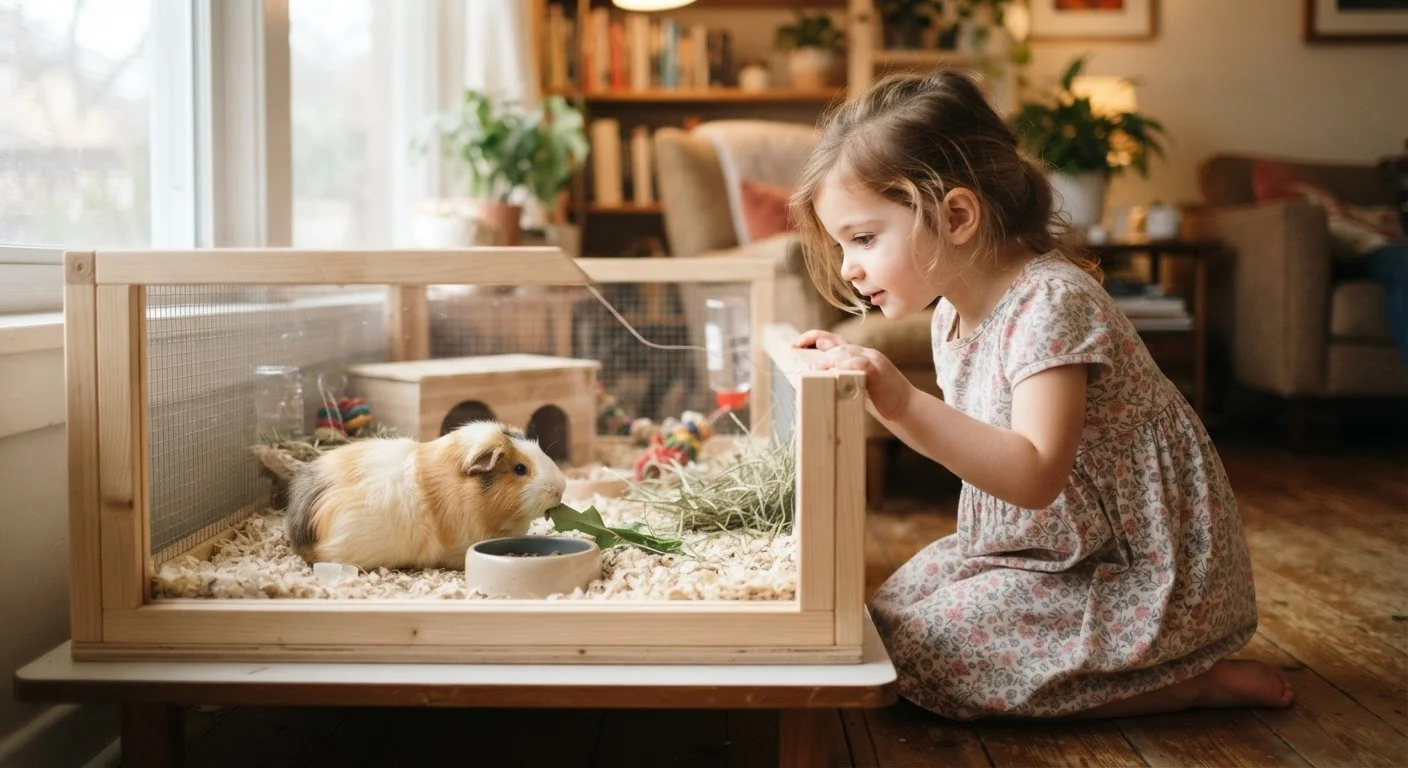
Photo credit: FaqBulletin.com | Information Made Easy
In this article
Thinking about a small pet for your kids? A realistic look at handling temperaments, supervision needs, and care responsibility by species.
Key Takeaways
- No small pet is truly low-maintenance — all require daily care, enrichment, and attention.
- Guinea pigs are generally considered the most child-friendly small animal due to their calm, social temperament.
- Adult supervision during handling is essential regardless of the child's age or the pet's species.
- Most small mammals and birds require specialist veterinary care, which can be harder to access and more costly.
- Parents should expect to be the primary caregivers, even when children are enthusiastic at the outset.
Why 'Easy Pet' Is Often a Myth
When parents search for a first family pet, small animals — hamsters, guinea pigs, rabbits, gerbils, birds — often get labeled as the sensible, low-effort choice compared to a dog or cat. That framing sets families up for frustration. Small does not mean simple.
Every small pet requires a properly sized, enriched habitat; fresh food and water daily; regular cleaning; and species-appropriate social interaction. Many also need companionship from their own kind — guinea pigs and gerbils, for example, are social animals that can experience significant stress when housed alone. Before committing, it's worth working through our household readiness checklist to confirm your home and schedule can genuinely support what the animal needs.
Ask the Lifespan Question First
Before choosing any small pet, look up the typical lifespan for that species and ask honestly whether your family can commit to that full duration. A cockatiel or rabbit adopted when a child is 6 may still be in your care when that child leaves for college. Longevity should be a core part of the decision, not an afterthought.
The honest question isn't "Is this pet easy?" — it's "Can our household meet this animal's real needs for its entire lifespan?" Rabbits can live 8–12 years. Cockatiels can exceed 20 years. That's a long-term commitment, not a starter experiment.
Species Breakdown: Temperament and Child-Friendliness
Understanding how different species behave around children is the most important filter families can apply.
Guinea Pigs
Generally the strongest match for families with children aged 5 and older. Guinea pigs are social, vocal, and rarely bite when handled gently and consistently. They do best in pairs or small groups. Their calm demeanor makes them more forgiving of imperfect handling — though they still need patient, supervised interaction.
Rabbits
Rabbits are intelligent and can bond closely with their owners, but they are ground-dwelling prey animals that often dislike being picked up. An unsupported or dropped rabbit can fracture its own spine trying to escape. They tend to be better companions for calmer, older children who understand body language and can sit at floor level with the animal.
Hamsters and Gerbils
These two are frequently compared — see our hamster vs. gerbil comparison for a detailed breakdown. Hamsters are solitary and nocturnal, meaning they're typically asleep when children are most active. Gerbils are more social and diurnal but are fast-moving and fragile. Both are generally better suited to children aged 10 and up.
Birds
Parakeets and cockatiels can be affectionate and entertaining, but they require significant daily social time, are sensitive to household air quality, and can develop stress-related behavioral issues if their needs aren't met. For a realistic picture, our honest look at bird ownership covers both the rewards and the demands in detail.
Prey animal
An animal that is naturally hunted by other species. Prey animals like rabbits, guinea pigs, and hamsters are hardwired to hide illness and react to perceived threats with fear responses, which affects how they should be handled.
Nocturnal
Active primarily at night and asleep during the day. Nocturnal pets like hamsters are often stressed by daytime handling, which conflicts with when children are typically awake.
Exotic patient
Any animal other than a dog or cat in a veterinary context. Exotic patients require vets with specialized training, and care can be harder to access and more expensive.
Spot-cleaning
Removing soiled bedding or waste from a habitat on a daily basis, as opposed to a full habitat clean. Regular spot-cleaning keeps the environment sanitary between deeper cleanings.
Enrichment
Activities, objects, or environmental features that allow an animal to express natural behaviors and stay mentally stimulated. Without enrichment, small pets can develop stress-related behavioral issues.
Supervision, Handling, and Safety
No small pet should be left unsupervised with a young child, regardless of how gentle the animal appears. Prey animals experience fear acutely and can injure themselves — or bite — when stressed. Children under 5 typically lack the motor control to hold a small animal safely.
Establish clear household rules from day one: no picking up the animal without an adult present, no tapping on the habitat, no chasing or cornering. Supervised handling sessions on the floor — where a drop won't injure the pet — are safer than hand-holding while standing.
If your small pet is nervous or doesn't tolerate handling well yet, our guide to taming skittish small pets walks through a patient, behavior-informed approach to building trust over time.
Who Really Ends Up Caring for the Pet
Research on childhood pet ownership consistently shows that initial enthusiasm fades quickly — often within weeks. The parent who agreed to "just a small pet" typically becomes the primary caregiver within a month or two. This isn't a failure of parenting or character; it's simply how novelty and developmental attention spans work in children.
This doesn't mean children can't contribute meaningfully. Children aged 8 and older can reliably fill water bottles, measure food portions, and help with spot-cleaning under supervision. Assigning specific, age-appropriate tasks builds genuine responsibility. But the adult must be the accountability layer — the one who notices if the animal seems unwell, ensures the habitat is properly maintained, and arranges veterinary care.
Matching care needs to family lifestyle is also critical. Bored or under-stimulated animals develop behavioral and health problems. Our small pet enrichment guide offers practical strategies that children can participate in alongside adults.
Veterinary Needs You Should Anticipate
This is the area families most frequently underestimate. Small mammals and birds are classified as exotic patients — they require veterinarians with specialized training, and not every general practice sees them. Finding an exotic vet in your area before you bring a pet home is strongly advisable.
Routine wellness visits, dental issues in rabbits and guinea pigs, respiratory illness in birds, and wet tail in hamsters are all real possibilities that require prompt professional attention. Emergency exotic vet care can be significantly more expensive than equivalent care for dogs or cats.
For a thorough overview of what routine and urgent care looks like across species, our small pet veterinary care guide is an essential read before adopting. Understanding health warning signs early gives your pet the best chance at a full, comfortable life.
This article is for general informational purposes only and is not a substitute for professional veterinary advice. Always consult a qualified veterinarian for concerns about your pet's health.
Frequently Asked Questions

Author
Pets Editorial Team
Pets Editorial Team is the collective byline for our editorial team and contributor network. Articles published under this byline or an editorial pen name are researched, written, and reviewed according to our editorial standards for clarity, consistency, and independence before publication.
View all articles →