
Annual Vet Visit Prep: What to Bring, Ask, and Track
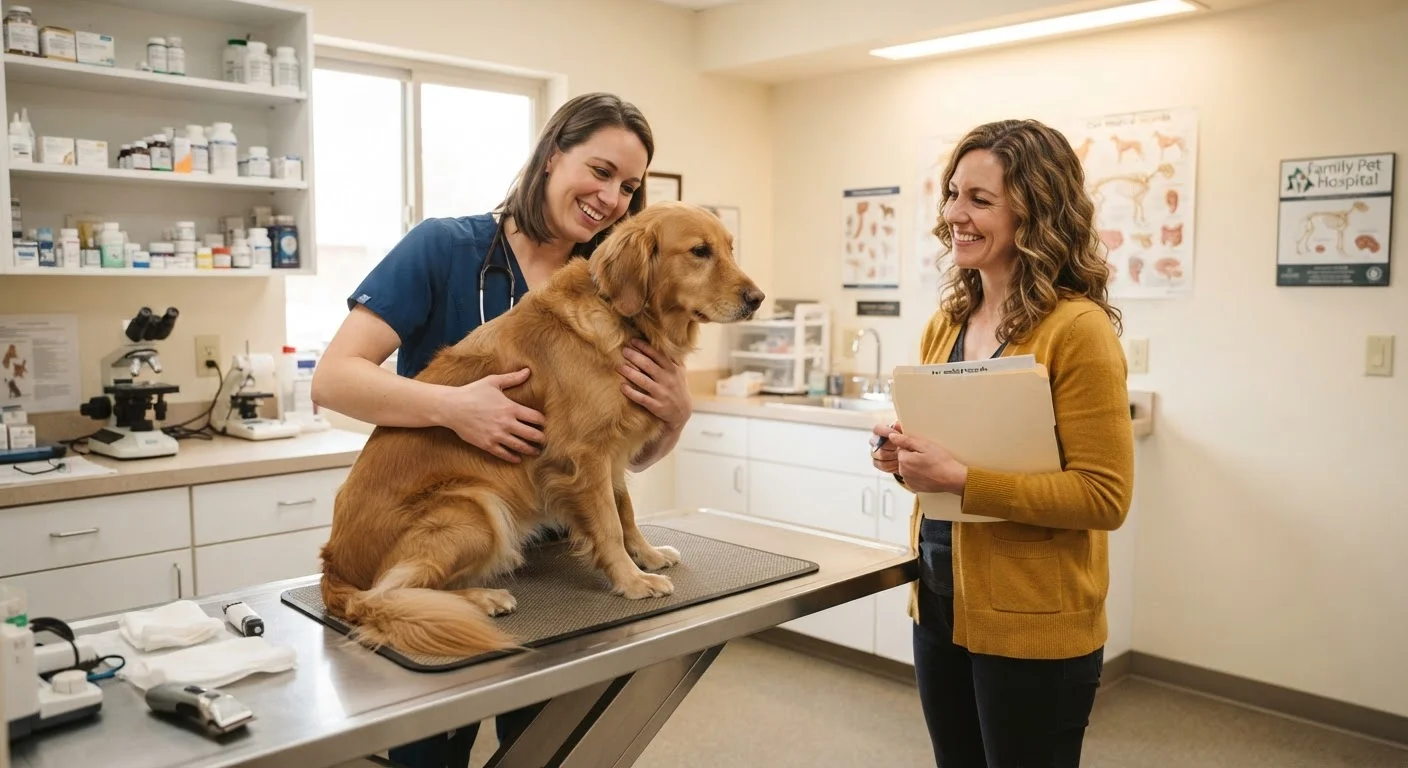
Photo credit: FaqBulletin.com | Information Made Easy
In this article
Make your dog's yearly checkup more productive with this checklist covering health records, behavioral changes, and questions worth raising with your vet.
Key Takeaways
- Bringing complete health records helps your vet spot trends and avoid duplicate tests.
- Noting behavioral or physical changes before the visit ensures nothing important goes unmentioned.
- Preparing specific questions in advance makes the appointment more efficient and informative.
- Tracking vaccine due dates and parasite prevention between visits prevents gaps in coverage.
- Annual exams are a key opportunity to revisit nutrition, weight, and dental health.
Why Preparation Makes Annual Exams More Valuable
An annual wellness exam is one of the most important investments you can make in your dog's long-term health. But the value of that appointment depends heavily on what you bring to it — both literally and conversationally. Vets typically have limited time per visit, so walking in organized and informed lets you use every minute effectively.
Think of it like preparing for any important annual review. Just as families gather documents before a back-to-school season or before a car inspection, dog owners benefit from a structured approach. The checklist below covers what to bring, what to track, and what questions are worth raising so your vet has a complete picture of your dog's health.
This article provides general educational information about preparing for a veterinary visit. It is not a substitute for professional veterinary advice, diagnosis, or treatment. Always consult a licensed veterinarian for guidance specific to your dog's health needs.
Annual Exams Are Not Just for Sick Dogs
Many serious health conditions — including dental disease, early kidney changes, and certain tumors — have few obvious symptoms in their early stages. Annual wellness exams give your veterinarian the opportunity to detect these issues before they become harder to manage. Skipping yearly checkups because a dog appears healthy is one of the most common missed opportunities in preventive care.
What to Bring to the Appointment
Arriving prepared with the right documents and samples saves time and helps your veterinarian make well-informed recommendations. Before the visit, gather the following:
Documents and Records
Samples and Physical Items
Behavioral and Physical Observations
Preventive Care Tracking
Logistics and Comfort
If your dog is new to your household, see our guide to the first 30 days with a new dog for a broader orientation to early veterinary care and routine building.
What to Track and Observe Beforehand
Your day-to-day observations are data your vet cannot access without you. In the week or two leading up to the appointment, pay attention to patterns you might otherwise overlook. Changes in appetite, water intake, sleep behavior, bathroom habits, coat quality, or activity level can all signal shifts in health that are worth discussing — even if they seem minor.
Dogs of all ages benefit from having their vaccination status reviewed annually. For a clear reference on core versus non-core vaccines and typical booster intervals, the dog vaccination schedule reference provides a useful educational overview to read before your appointment.
Don't Minimize 'Small' Changes
It can be tempting to leave out symptoms that seem minor or that resolved on their own. However, intermittent symptoms — vomiting that happens once a week, occasional limping, or subtle changes in thirst — can be clinically meaningful. Mention everything you've noticed and let your vet determine what warrants follow-up.
Questions Worth Raising With Your Vet
Many pet owners leave appointments wishing they had asked something they forgot in the moment. Writing your questions down beforehand — even a short list on your phone — ensures nothing slips through. The following are among the most productive topics to raise during an annual wellness visit:
Written Question List
A prepared list of concerns or topics ensures you don't forget important questions during the time-limited appointment.
Pet Health Tracking App or Notebook
Recording health observations, medications, and vet visit dates between appointments gives you accurate information to report.
Vaccination Record Folder
A dedicated folder or digital file for immunization history, lab results, and specialist notes keeps all records in one accessible place.
Secure Carrier or Leash
A properly fitted, secure carrier or leash keeps your dog safe in the waiting room and exam area.
Your vet is your primary resource for personalized guidance. The annual exam is the right time to raise concerns you've been wondering about, whether related to diet, behavior, aging, or preventive care. Open-ended questions often yield more useful information than yes/no ones.

Author
Pets Editorial Team
Pets Editorial Team is the collective byline for our editorial team and contributor network. Articles published under this byline or an editorial pen name are researched, written, and reviewed according to our editorial standards for clarity, consistency, and independence before publication.
View all articles →