
The First 30 Days With a New Dog
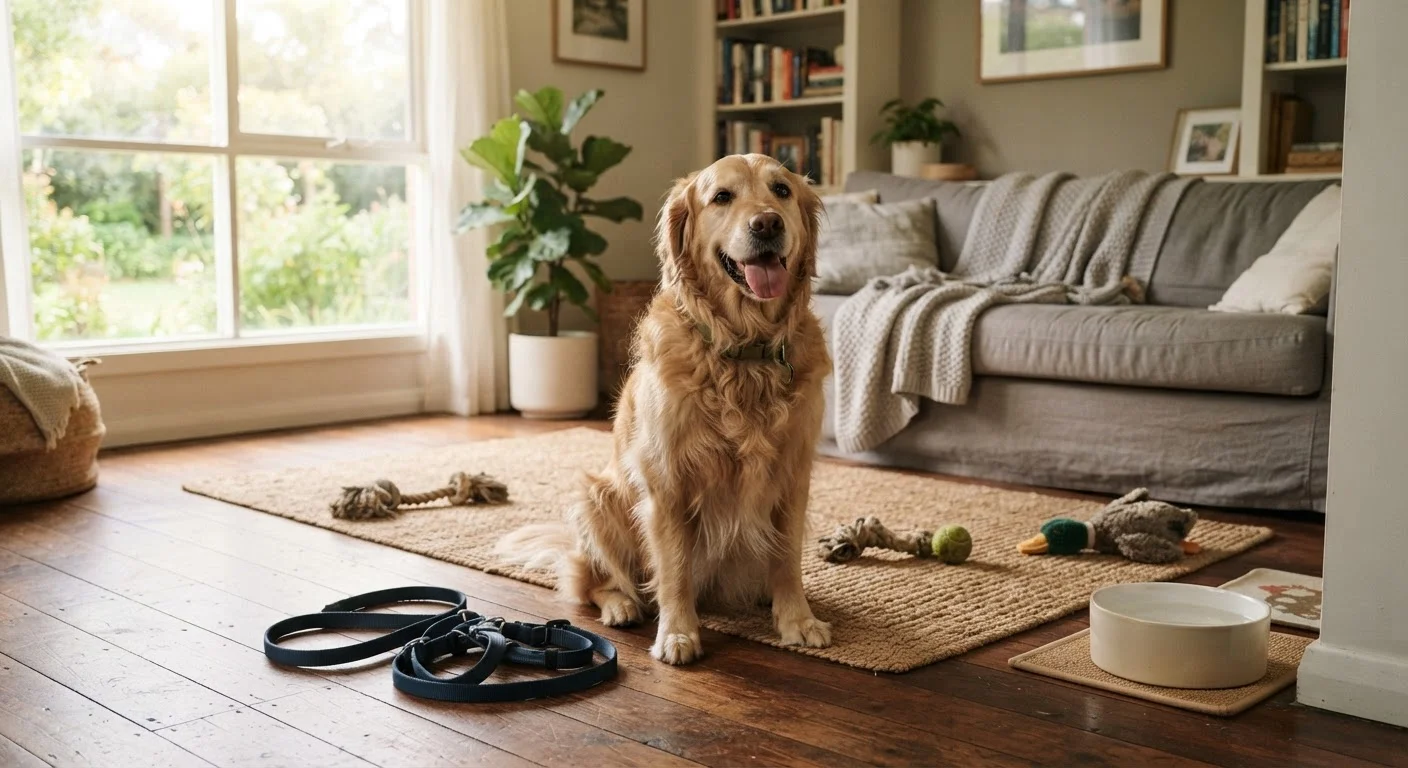
Photo credit: FaqBulletin.com | Information Made Easy
In this article
A comprehensive walkthrough of what to expect—and prepare for—in the first month of bringing a dog home, from vet visits to routine building.
Key Takeaways
- The first week should focus on calm adjustment, not stimulation or heavy socializing.
- A vet visit within the first few days establishes a health baseline and vaccination plan.
- Predictable daily routines reduce anxiety and speed up housetraining for most dogs.
- Positive reinforcement training can — and should — begin in week one.
- Behavioral quirks in the first month often resolve once the dog feels secure.
- Planning ahead for supplies, vet care, and training prevents most common early mistakes.
Before Your Dog Arrives: Setting the Stage
Preparation done before your dog walks through the door is time well spent. Start by dog-proofing your home — secure loose electrical cords, move toxic household plants out of reach, and close off rooms or spaces you don't want the dog to access yet. Containment tools like baby gates and a properly sized crate give the dog a safe zone and give you peace of mind.
Stock the essentials in advance: a well-fitted collar, an ID tag with your contact information, a standard leash, food and water bowls, a crate or dog bed, and food appropriate for the dog's age and size. If you're adopting from a shelter or rescue, ask what food the dog has been eating — a sudden diet change can cause digestive upset, so transition any new food gradually over seven to ten days.
Decompression period
The first days or weeks after a dog arrives in a new home, during which it adjusts to unfamiliar surroundings, people, and routines. Keeping stimulation low during this time helps the dog settle more quickly.
Positive reinforcement
A training approach that rewards a dog for displaying a desired behavior, making that behavior more likely to happen again. Rewards can include treats, praise, or play.
Socialization
The process of gradually and positively exposing a dog to a wide variety of people, animals, environments, and experiences so it learns to respond calmly rather than with fear or aggression.
Crate training
Teaching a dog to see a crate as a safe, comfortable personal space. When used correctly, a crate is a management tool that helps prevent accidents and destructive behavior when the dog cannot be supervised.
Resource guarding
A behavior in which a dog protects food, toys, resting spots, or other valued items from people or other animals, sometimes by growling, snapping, or stiffening.
If you have children or existing pets, plan their introduction carefully. Brief, calm, neutral-space introductions tend to go better than immediate free-for-all house access. For households welcoming a second dog, the adjustment dynamics are more complex than many owners anticipate.
Week One: The Decompression Period
The single most important thing to understand about week one is that your dog is overwhelmed — even if it doesn't look that way. New sights, smells, sounds, and people are a lot to process. Resist the urge to show the dog off to visitors, take long excursions, or push socialization. A quiet, low-stimulation first week allows the dog's stress hormones to settle and sets a calmer behavioral baseline.
Keep the dog's world small initially. Let it explore one or two rooms rather than the entire house. Supervision is critical — a dog you cannot watch should be in a crate or safely confined area, not left to roam and investigate on its own. Expect some clinginess, some exploratory sniffing, and possibly a few accidents even with a previously housetrained dog.
Resist the Urge to Overwhelm With Affection
It's natural to want to shower a new dog with attention, but constant handling in the first few days can actually increase stress rather than reduce it. Give your dog regular opportunities to rest undisturbed in its designated space. A dog that can choose to disengage is a dog that feels safe — and a dog that feels safe bonds more reliably.
Watch for stress signals: excessive yawning, lip licking, tucked tail, avoidance, or reduced appetite. These are normal in the first few days but should resolve as the dog settles in. Prolonged or escalating signs are worth discussing with a vet or certified behaviorist.
Scheduling Your First Vet Visit
A wellness exam within the first three to five days is one of the most important steps of the entire month. Bring any health records from the breeder, rescue, or shelter so the vet has a starting point. The vet will conduct a full physical exam, assess weight and body condition, check for parasites, and review or initiate a vaccination schedule.
For a complete picture of what vaccines are typically recommended and when, the dog vaccination schedule reference explains core and non-core vaccines and typical timing windows. Parasite prevention — including flea, tick, and heartworm protection — should also be discussed at this first visit, as protocols vary by region and lifestyle.
Use the appointment to ask about spay or neuter timing if applicable, dental care, and appropriate nutrition for your dog's age, breed, and health status. Building a relationship with a trusted veterinarian early is one of the most valuable investments you can make as a new dog owner.
Building a Routine That Sticks
Dogs are creatures of habit, and predictability is one of the most powerful tools for reducing anxiety and accelerating housetraining. Aim to feed, walk, and provide outdoor bathroom breaks at consistent times each day. Most adult dogs do well with two meals per day; puppies typically need three or four smaller meals.
A sample daily framework might look like: morning bathroom break → breakfast → short walk or playtime → rest → midday bathroom break → afternoon activity → dinner → evening walk → final bathroom break before bed. Adjust the specifics to your household schedule, but protect the structure. Dogs that know what's coming next are measurably calmer than those living on an unpredictable timetable.
For leash manners — an area many new owners struggle with — consistent, short practice sessions beat infrequent long ones. The mechanics of calm leash walking are learnable at any age with the right approach.
Basic Training From Day One
You don't need to wait until week two or three to start training — and you shouldn't. Every interaction your dog has with you is a learning opportunity. Focus first on the foundational behaviors that make daily life easier: sit, stay, come, and leave it. Keep sessions short (five to ten minutes) and always end on a success.
Positive reinforcement — rewarding desired behavior with treats, praise, or play — is supported by decades of animal behavior research as both the most effective and most humane training approach for dogs. Avoid punishment-based methods, which can increase anxiety and undermine the trust you're working to build in these early weeks.
Socialization should be thoughtful and gradual. Introduce new people, surfaces, sounds, and environments at a pace the dog can handle without becoming overwhelmed. Puppies have a sensitive socialization window that closes around 12–16 weeks, making this especially time-sensitive for very young dogs.
Common Challenges and When to Seek Help
Nearly every new dog owner encounters at least a few bumps in the first month. Nighttime whining, separation anxiety, destructive chewing, and resource guarding are among the most commonly reported. Many of these behaviors are normal stress responses that diminish with time, routine, and consistent boundaries.
That said, some behaviors warrant earlier professional input. If your dog is showing significant aggression, extreme fear, or behaviors that put household members at risk, contact a certified applied animal behaviorist or a veterinary behaviorist — not just a general trainer — promptly. Early intervention is almost always more effective than waiting.
Physical symptoms like vomiting, diarrhea lasting more than 24 hours, refusal to drink water, or visible pain should prompt a call to your vet. The first month involves learning your individual dog's baseline so you can recognize when something is genuinely off. If you're curious how the first-dog experience compares to bringing home a cat, our guide on first-time cat ownership covers a very different but equally demanding adjustment period.
This article is intended for general informational and educational purposes only and is not a substitute for professional veterinary advice, diagnosis, or treatment. Always consult a licensed veterinarian regarding your dog's specific health needs.
Frequently Asked Questions

Author
Pets Editorial Team
Pets Editorial Team is the collective byline for our editorial team and contributor network. Articles published under this byline or an editorial pen name are researched, written, and reviewed according to our editorial standards for clarity, consistency, and independence before publication.
View all articles →