
Car Fluids Decoded: A Driver's Reference to Every Reservoir Under the Hood
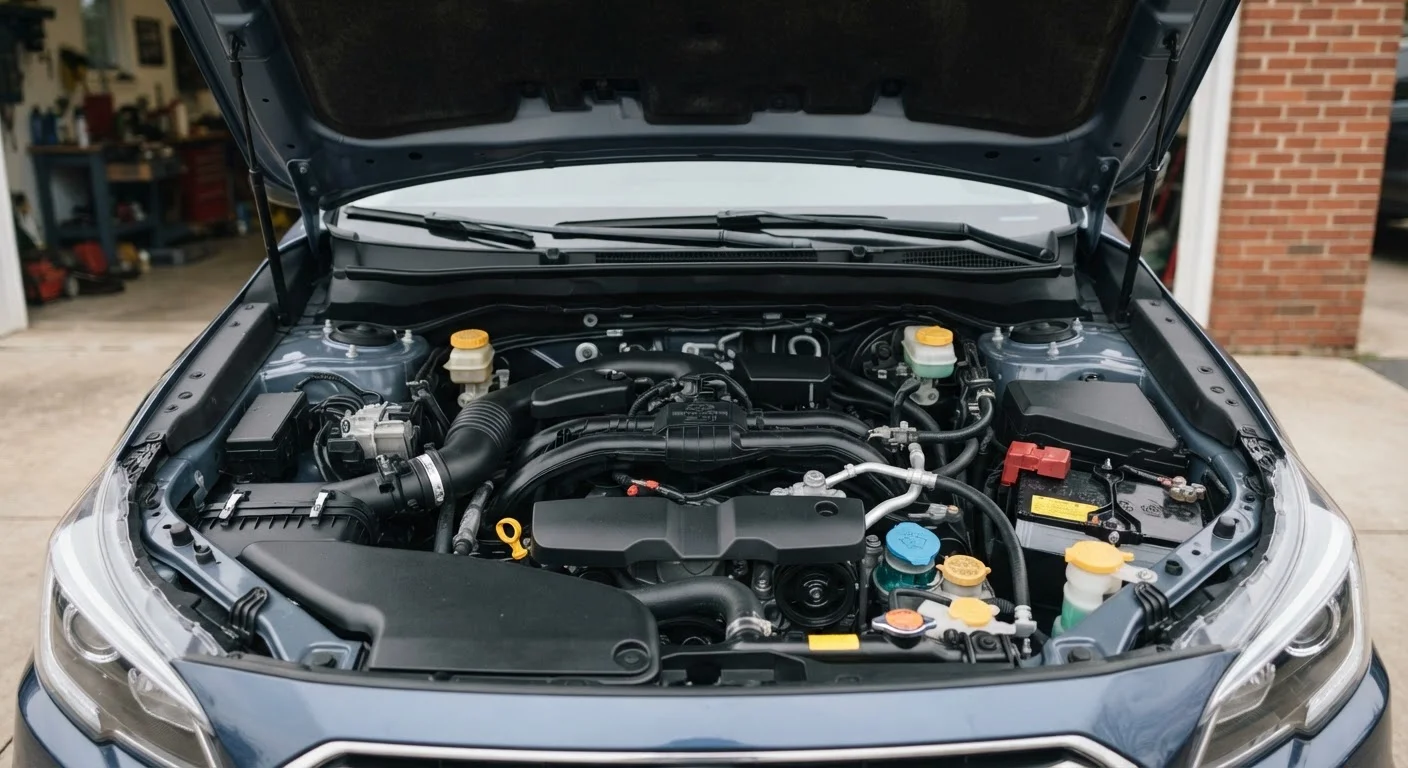
Photo credit: FaqBulletin.com | Information Made Easy
In this article
Quick-reference guide to engine oil, coolant, brake fluid, transmission fluid, and more—what each does and when to check it.
Why Fluids Are the Lifeblood of Your Vehicle
Modern vehicles rely on a network of specialized fluids to lubricate, cool, pressurize, and clean critical systems. Neglecting any one of them can cascade into expensive mechanical failures - or worse, a safety hazard on the road. The good news: checking most fluids takes under five minutes and requires no special tools.
This reference guide walks you through every major fluid reservoir found under a typical passenger vehicle's hood, what each fluid does, and how frequently you should inspect or replace it. For a season-by-season approach to keeping every system in check, see our seasonal car maintenance checklist.
| Number of essential vehicle fluids | 6 primary fluids |
| Engine oil check frequency | Monthly or every 1,000 miles (General industry guidance; consult owner's manual) |
| Typical brake fluid replacement interval | Every 2-3 years (Varies by manufacturer recommendation) |
| Coolant flush interval | Every 30,000-50,000 miles (Depends on coolant formulation and vehicle) |
| Transmission fluid range | 30,000-100,000 miles (Varies by transmission type and driving conditions) |
| Safe to DIY check | All 6 fluids at a visual level (Refer to a mechanic for low or abnormal readings) |
The Six Essential Fluids Every Driver Should Know
1. Engine Oil
Engine oil lubricates moving metal parts inside the engine, reducing friction and carrying heat away from components. It also suspends contaminants, keeping the engine cleaner between oil changes. Check the dipstick with the engine cold or a few minutes after shutting it off. Oil should appear amber to dark brown - black, gritty, or milky oil signals a problem. Most vehicles call for an oil change every 5,000-7,500 miles with conventional oil, or up to 10,000-15,000 miles with full synthetic, but always follow your owner's manual.
2. Engine Coolant (Antifreeze)
Coolant circulates through the engine and radiator to regulate operating temperature, preventing both overheating in summer and freezing in winter. Check the level at the translucent overflow reservoir - never open a hot radiator cap. Coolant is typically flushed every 30,000-50,000 miles depending on the formulation. A low or discolored level may indicate a leak or system degradation.
3. Brake Fluid
Brake fluid transmits the hydraulic pressure you create by pressing the brake pedal to the calipers and wheel cylinders that stop your vehicle. It is hygroscopic, meaning it absorbs moisture over time, which lowers its boiling point and can cause brake fade. Check the reservoir under the hood - if it's below the minimum line, have the system inspected promptly for leaks. Most manufacturers recommend replacing brake fluid every 2-3 years. For a deeper look at how your braking system works, visit our guide on brake maintenance for new drivers.
4. Transmission Fluid
Transmission fluid lubricates the gears, clutch packs, and valve body inside your transmission, enabling smooth gear changes. Automatic transmissions typically have a dipstick (though many modern vehicles have sealed units requiring professional service). Fluid should be pinkish-red and not smell burnt. Replacement intervals range from 30,000 to 100,000 miles depending on driving conditions and vehicle type.
5. Power Steering Fluid
Hydraulic power steering systems use pressurized fluid to reduce the effort needed to turn the steering wheel. Many newer vehicles use electric power steering and have no fluid reservoir. If your vehicle has one, check the reservoir level and look for dark or foamy fluid, which may indicate contamination. Low fluid or a whining sound when turning warrants prompt inspection.
6. Windshield Washer Fluid
Though often overlooked, washer fluid is a safety item - visibility is critical. Use a purpose-formulated washer fluid rather than plain water, as it contains detergents and antifreeze agents appropriate for your climate. Top it off whenever it runs low; this is the one fluid where you can safely DIY without any mechanical knowledge.
Dipstick
A long metal rod inserted into the engine oil sump or transmission housing, used to measure fluid level and assess fluid condition by wiping and reading the residue.
Hygroscopic
The tendency of a substance to absorb moisture from the surrounding air. Brake fluid is hygroscopic, which is why it degrades and must be replaced periodically.
Coolant Overflow Reservoir
A translucent plastic tank connected to the radiator that holds excess coolant as the engine heats and cools. It is the safe place to check coolant level on a cold engine.
Hydraulic Pressure
Force transmitted through a confined fluid. Brake and power steering systems rely on hydraulic pressure to multiply the force applied by the driver.
Sealed Transmission
A transmission design with no external dipstick, intended to be serviced only by a qualified technician using specialized equipment. Common on many post-2010 vehicles.
Brake Fade
A temporary reduction in braking effectiveness caused by heat. Degraded brake fluid with a low boiling point is one cause, leading to vapor forming in the brake lines.
Reading Warning Signs and Keeping Records
Fluid levels that drop repeatedly between service intervals point to a leak or internal consumption issue - both warrant professional diagnosis. Color and consistency matter as much as volume: milky or frothy oil can indicate coolant intrusion, while burnt-smelling transmission fluid suggests the unit is working under stress.
Keep a simple log - even a notes app on your phone - recording the date, mileage, and condition each time you check a fluid. This history is invaluable when a mechanic asks how long a problem may have been developing. It also ties neatly into a broader maintenance rhythm; see our full overview of car maintenance from purchase to 100,000 miles for context on how fluid checks fit into the big picture of ownership costs.
If a warning light illuminates on your dashboard alongside a fluid concern, don't ignore it. Our article on what your check engine light is actually telling you can help you assess urgency before your next shop visit.
This article is for general informational purposes only. Always consult your vehicle's owner's manual and a qualified mechanic for maintenance specific to your make and model.

Author
Automotive Editorial Team
Automotive Editorial Team is the collective byline for our editorial team and contributor network. Articles published under this byline or an editorial pen name are researched, written, and reviewed according to our editorial standards for clarity, consistency, and independence before publication.
View all articles →