
Brake Maintenance from the Ground Up: What New Drivers Need to Know
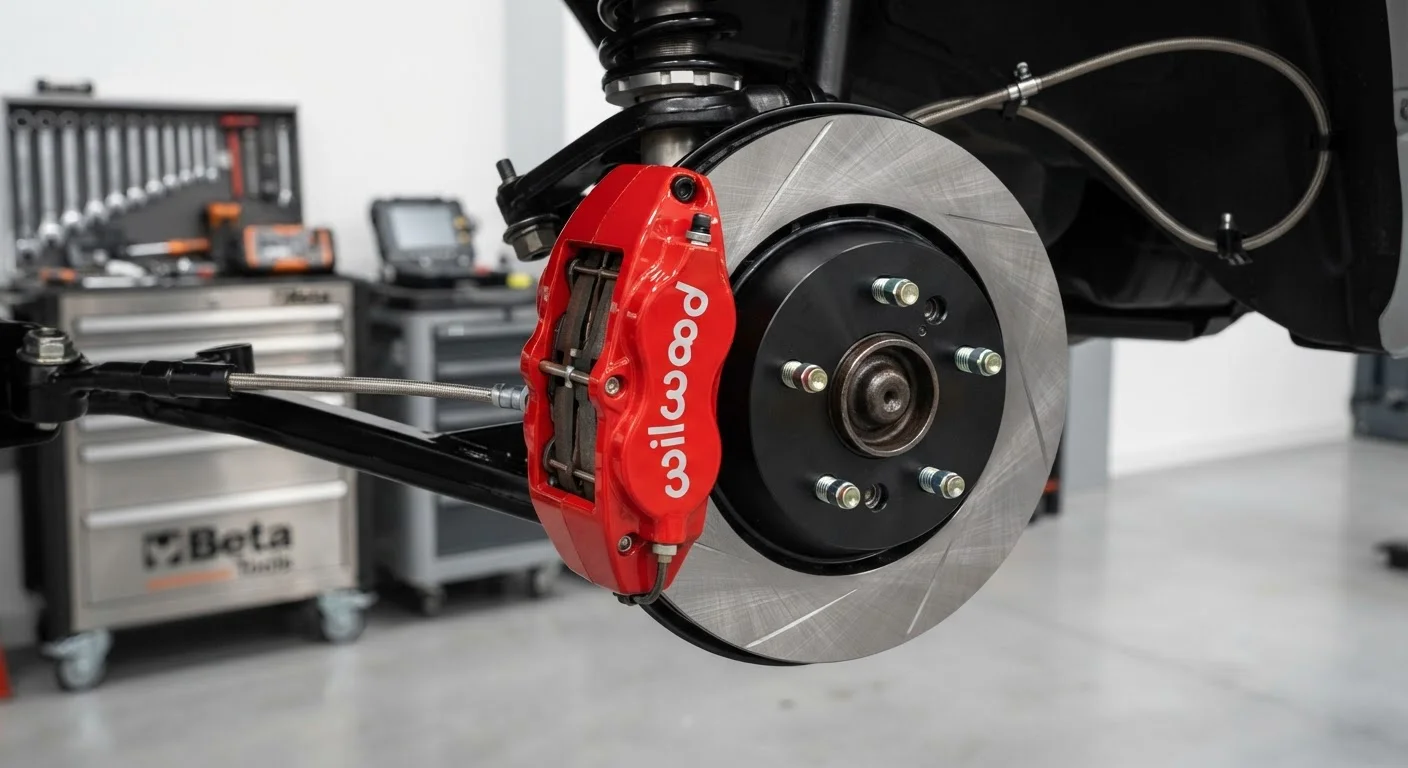
Photo credit: FaqBulletin.com | Information Made Easy
In this article
Pads, rotors, calipers, and brake fluid explained simply. A clear introduction to how brakes work and how to keep them safe.
Key Takeaways
- Brakes rely on four main components: pads, rotors, calipers, and brake fluid.
- Squealing, grinding, or a soft brake pedal are early warning signs that should never be ignored.
- Brake pad life varies widely based on driving habits, typically between 25,000 and 65,000 miles.
- Brake fluid absorbs moisture over time and should be inspected at regular service intervals.
- Brake repairs are safety-critical - a qualified mechanic should handle anything beyond visual inspection.
How Your Brake System Works
Every time you press the brake pedal, a chain reaction converts your vehicle's kinetic energy into heat, slowing the car to a stop. The system that makes this possible is hydraulic - meaning it uses pressurized fluid to transmit force from your foot to the wheels.
When you press the pedal, it pushes a piston inside the master cylinder, forcing brake fluid through sealed lines to each wheel. That fluid pressure activates a caliper at each wheel, which squeezes a pair of brake pads against a spinning metal disc called a rotor. The friction between the pads and rotor is what brings the vehicle to a stop.
Understanding this sequence helps you recognize why every component matters. A weakness anywhere in the chain - low fluid, worn pads, a damaged rotor - reduces your ability to stop quickly and safely. For new drivers, grasping this basic principle is the first step toward responsible vehicle ownership. You can explore broader ownership responsibilities in our guide for first-time car owners.
Brake pad
A replaceable friction material that presses against the rotor to slow the vehicle. Pads wear down over time and need periodic replacement.
Rotor
A flat metal disc that spins with the wheel. Brake pads grip the rotor surface to generate the friction that stops the car.
Caliper
A clamp-like device at each wheel that uses hydraulic pressure to squeeze the brake pads against the rotor.
Brake fluid
A hydraulic fluid that transmits the force of your foot on the pedal through the brake lines to the calipers at each wheel.
Master cylinder
The component connected to the brake pedal that pressurizes the brake fluid and sends it through the lines to each wheel.
Brake fade
A temporary reduction in braking power caused by overheated brake fluid or pads, most common during prolonged or aggressive braking.
The Four Components You Need to Know
Most passenger vehicles use disc brakes on all four wheels, though some older or economy models use drum brakes on the rear axle. The disc brake system breaks down into four primary parts every driver should understand.
Brake Pads
Pads are the consumable friction material that clamps against the rotor. They wear down with every stop and must be replaced periodically. Most pads include a metal wear indicator that emits a high-pitched squeal when the pad material is nearly exhausted.
Rotors
Rotors (also called discs) are the flat, round metal discs that spin with your wheel. Pads grip the rotor surface to create stopping friction. Over time, rotors develop grooves, thin out from wear, or warp from heat - all of which reduce braking performance.
Calipers
The caliper is the clamp-like housing that holds the brake pads and uses hydraulic pressure to squeeze them against the rotor. Calipers contain pistons that can seize or leak with age, causing uneven braking or brake drag.
Brake Fluid
Brake fluid is a hydraulic fluid that transmits pedal force through the brake lines. It's hygroscopic, meaning it absorbs moisture from the air over time. Moisture contamination lowers the fluid's boiling point, which can cause brake fade under heavy use. Our fluid reference guide covers how to check and interpret your reservoir levels.
Check Fluid Color at Every Oil Change
Healthy brake fluid is typically clear to light yellow. Dark brown or black fluid signals moisture contamination and reduced performance. Ask your mechanic to assess fluid condition whenever your vehicle is in for routine service - it takes seconds and costs nothing to check.
Warning Signs Your Brakes Need Attention
Your vehicle gives clear signals when the brake system needs service. Learning to recognize these early saves money and, more importantly, keeps you safe.
- Squealing or squeaking: Often the wear indicator signaling thin pads. Persistent squealing warrants an inspection.
- Grinding noise: Metal-on-metal contact, usually meaning pads are fully worn through. This is urgent - rotors may already be damaged.
- Soft or spongy pedal: The pedal sinks too easily or travels further than usual, suggesting air in the lines or a fluid leak.
- Pulling to one side: Uneven brake force can mean a stuck caliper or uneven pad wear.
- Vibration when braking: A pulsing sensation through the pedal often points to warped rotors.
- Brake warning light: The dashboard brake light illuminates when the system detects low fluid or a fault. Don't ignore it.
If you notice any of these symptoms, have the brakes inspected promptly. Refer to our seasonal maintenance checklist for a structured approach to monitoring brakes year-round.
Never Ignore a Grinding Brake Noise
Grinding almost always means pad material is gone and metal is contacting metal. Driving in this condition damages rotors rapidly, turning a pad replacement into a more expensive rotor replacement - or worse, a brake failure. Pull over safely and arrange professional service as soon as possible.
Brake Maintenance Intervals and What to Expect
There is no universal brake replacement schedule because wear depends heavily on driving conditions. Stop-and-go city commuting, towing, or mountainous terrain accelerates wear significantly compared to steady highway driving.
General reference ranges for disc brake components:
| Component | Typical Service Interval |
|---|---|
| Brake pads | 25,000 - 65,000 miles |
| Rotors | 50,000 - 70,000 miles (varies by thickness) |
| Brake fluid | Every 2 years or per manufacturer specification |
| Caliper inspection | With every pad or rotor service |
These figures are general estimates. Always defer to your vehicle's owner's manual for manufacturer-recommended intervals. A mechanic performing a tire rotation can often visually inspect pad thickness and rotor condition at the same visit, making it a convenient checkpoint.
For a broader view of how brakes fit into your vehicle's long-term maintenance picture, see Car Maintenance from Purchase to 100,000 Miles.
When to See a Mechanic
Brakes are one area where caution is non-negotiable. While understanding how the system works empowers you to notice problems early, brake repair is safety-critical work. A qualified mechanic should handle diagnosis and repair of anything beyond a visual fluid-level check.
Specific situations that require professional attention include: grinding or metal-on-metal noise, a spongy or low pedal, brake fluid that looks dark or contains visible debris, pulling or vibration under braking, and any illuminated brake warning light.
If you're curious about which general maintenance tasks are reasonable for home mechanics and which carry real risk, our DIY maintenance guide draws that line clearly. For new and teen drivers in particular, understanding brake safety connects directly to broader road safety practices every driver should internalize from the start.
Regular inspections - ideally at every oil change or at minimum twice per year - give you confidence that your brakes are performing as designed. Early detection almost always means lower repair costs and, far more importantly, a safer vehicle on the road.
Frequently Asked Questions

Author
Automotive Editorial Team
Automotive Editorial Team is the collective byline for our editorial team and contributor network. Articles published under this byline or an editorial pen name are researched, written, and reviewed according to our editorial standards for clarity, consistency, and independence before publication.
View all articles →