
Teen Driver Safety: What Parents and New Drivers Need to Understand
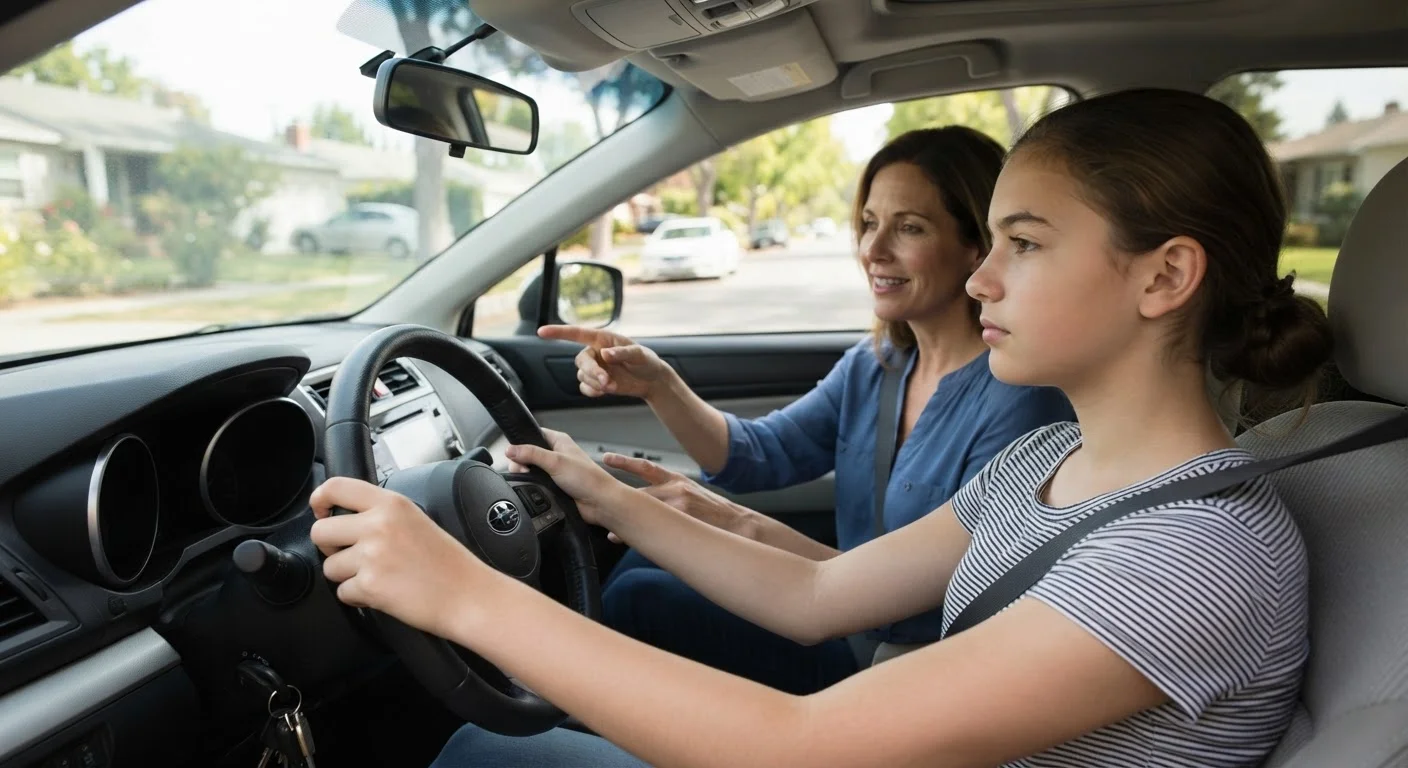
Photo credit: FaqBulletin.com | Information Made Easy
In this article
Motor vehicle crashes are a leading cause of death among teenagers in the U.S. This guide covers graduated licensing, supervision, and risk factors.
Key Takeaways
- Motor vehicle crashes are the leading cause of death for U.S. teenagers, making this a critical safety issue.
- Graduated Driver Licensing laws meaningfully reduce crash risk when parents and teens take each stage seriously.
- Distraction, inexperience, and passengers are the top contributors to teen crash fatalities.
- Supervised practice hours matter - quality and variety of driving conditions improve skill faster than time alone.
- Parents who model safe driving behaviors significantly influence their teen's long-term habits.
- Night driving and highway driving carry elevated risks that require deliberate, staged introduction.
Why Teen Driving Is a Public Safety Priority
Motor vehicle crashes are consistently ranked as the leading cause of death among teenagers in the United States, according to the Centers for Disease Control and Prevention (CDC). The combination of inexperience, still-developing brain function, and environmental distractions creates a uniquely elevated risk profile for drivers aged 16 to 19.
Teen drivers are involved in fatal crashes at rates significantly higher than adult drivers when adjusted for miles driven. This is not simply a matter of recklessness - it reflects genuine cognitive and perceptual limitations that come with being new behind the wheel. Understanding the underlying reasons for this elevated risk is the first step toward addressing it effectively.
For families navigating this transition, the goal is not to eliminate driving - it is to build competence and judgment progressively. Pairing that developmental approach with sound vehicle maintenance, such as what's covered in our brake maintenance guide for new drivers, helps ensure the vehicle itself is not adding unnecessary risk.
2-3x
Higher fatal crash rate for teen drivers vs. adults
Per mile driven, drivers aged 16-19 are 2 to 3 times more likely to be involved in a fatal crash than drivers aged 20 and older, according to the CDC.
~2,800
Teen driver fatalities annually in the U.S.
The CDC reports that approximately 2,800 teens aged 13-19 were killed in motor vehicle crashes in a recent reporting year.
44%
Reduction in teen crash risk with strong GDL laws
Research published by the Insurance Institute for Highway Safety associates comprehensive GDL programs with significant reductions in teen driver fatalities.
Understanding Graduated Driver Licensing (GDL)
Graduated Driver Licensing (GDL) systems are structured programs adopted by all 50 U.S. states that introduce driving privileges in stages rather than all at once. The three-stage framework typically includes a supervised learner's permit phase, a restricted intermediate license, and a full unrestricted license.
Research from the Insurance Institute for Highway Safety (IIHS) indicates that strong GDL laws - those with meaningful restrictions on night driving, passenger limits, and phone use - are associated with measurable reductions in teen crash fatalities. The restrictions are not arbitrary; they directly target the highest-risk conditions for new drivers.
Key GDL features parents should pay close attention to include:
- Minimum permit holding periods - most states require 6 to 12 months before a teen can test for an intermediate license.
- Supervised hours requirements - states commonly require 40 to 60 hours of logged practice, including nighttime driving.
- Passenger restrictions - carrying peers dramatically increases crash risk and is restricted in the intermediate stage in most states.
- Night driving curfews - many states prohibit unsupervised driving after 10 or 11 p.m. during the intermediate stage.
It is worth noting that GDL laws vary considerably by state. Families should consult their state's Department of Motor Vehicles for the specific requirements that apply to their teen.
The Biggest Risk Factors for Teen Crashes
Identifying specific crash contributors allows families to address risks directly rather than relying on general caution. The research consistently points to a cluster of factors that account for the majority of serious teen crashes.
Distraction
Handheld phone use remains the most visible form of distraction, but cognitive distraction - mentally disengaging from the driving task - is equally dangerous and harder to observe. Teens are more susceptible to both. Hands-free phone use still impairs reaction time meaningfully, a fact often underappreciated by new drivers.
Peer Passengers
The presence of teenage passengers in a vehicle increases crash risk for teen drivers substantially. With two or more peers in the car, the fatal crash rate more than doubles compared to solo driving. This is one reason GDL passenger restrictions exist and why parents should enforce them even informally beyond the legal requirement.
Inexperience in Complex Conditions
New drivers lack the automatic pattern recognition that experienced drivers develop over years. Night driving, highway merging, wet roads, and heavy traffic all require rapid processing that new drivers are still developing. Our guide on night driving risks explains why reduced visibility conditions disproportionately affect newer and less experienced drivers.
Seat Belt Non-Use
Teens have lower seat belt use rates than adult drivers, particularly in the back seat. Seat belt use is the single most effective protection available in the event of a crash and should be treated as non-negotiable.
During supervised practice, deliberately introduce mildly challenging conditions - light rain, unfamiliar routes, moderate highway speeds - while you are present to guide the response. Waiting until the teen drives alone to encounter these situations for the first time is a missed opportunity.
New drivers who have practiced handling varied conditions with a calm, experienced supervisor are better equipped to respond appropriately when they encounter those conditions independently.
Enforce the passenger restriction from GDL's intermediate stage even after it legally expires. The peer-passenger crash risk does not disappear at 18 - it diminishes gradually as experience accumulates.
The elevated crash risk associated with peer passengers is tied to social distraction and peer influence, not solely to legal status, making continued voluntary limits a sensible precaution.
How Parents Can Reinforce Safe Habits
Parent involvement is one of the strongest predictors of teen driving outcomes. Families who establish clear expectations, maintain open conversations about risk, and consistently model safe behavior produce safer drivers - the evidence on this is well-established.
Practical steps parents can take include:
- Create a parent-teen driving agreement - a written document outlining rules for phone use, passengers, curfews, and consequences for violations. The specificity matters more than the format.
- Log supervised practice across varied conditions - rain, highways, parking, and night driving should all be part of the practice curriculum, not just familiar neighborhood roads.
- Have honest conversations about impairment - alcohol and cannabis both impair driving; teens need to understand that impairment is not always obvious and that arranging a safe ride home is never the wrong choice.
- Model the behavior you expect - teens notice when adults check phones at lights or skip seat belts. Consistent adult behavior is a more powerful teacher than any rule.
Connecting teen driver safety to broader family road safety habits - including reviewing guidance on defensive driving principles - can help frame safe driving as a lifelong skill rather than a temporary restriction.
What New Drivers Should Know Before Every Trip
Building a pre-drive routine helps new drivers internalize habits that experienced drivers often perform automatically. The following checklist is a practical starting point:
- Adjust seat, mirrors, and steering wheel before the engine starts - not while moving.
- Ensure all occupants are buckled before putting the vehicle in gear.
- Put the phone away - in a bag or glove compartment, not just face-down on the seat.
- Check the fuel level and warning lights - driving with a low fuel warning or unaddressed dashboard alert adds unnecessary variables.
- Plan the route in advance - inputting a GPS destination while stationary is far safer than doing so on the road.
New drivers should also understand the basics of the vehicle they operate. Familiarity with how brakes feel when they're functioning correctly - and when they may not be - is foundational knowledge. The introduction to brake maintenance is a useful reference for any new driver taking on vehicle responsibility.
Finally, teen drivers benefit from understanding that confidence and competence are not the same thing. Overconfidence in the first year of driving is itself a documented risk factor. Maintaining humility about skill level, avoiding high-risk situations during the learning phase, and communicating openly with parents about challenging experiences all contribute to long-term safety.
This article is for general educational purposes only. Driving laws and GDL requirements vary by state - always verify current rules with your state's Department of Motor Vehicles. Safe driving practices should be developed under qualified supervision.

Author
Automotive Editorial Team
Automotive Editorial Team is the collective byline for our editorial team and contributor network. Articles published under this byline or an editorial pen name are researched, written, and reviewed according to our editorial standards for clarity, consistency, and independence before publication.
View all articles →