
Car Maintenance from Purchase to 100,000 Miles: The Full Picture
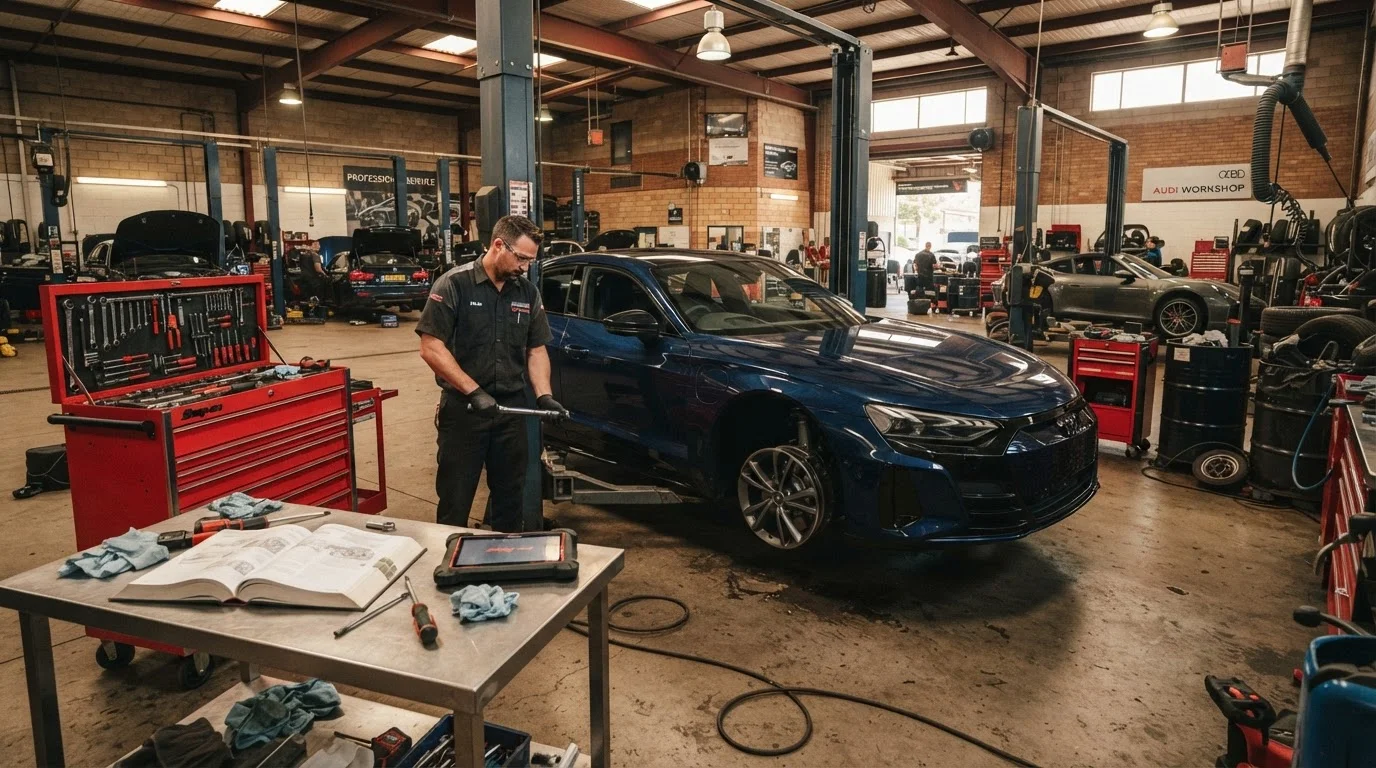
Photo credit: FaqBulletin.com | Information Made Easy
In this article
An end-to-end guide covering every major maintenance milestone—oil, brakes, belts, tires, and more—across your vehicle's life.
Key Takeaways
- Your owner's manual is the most reliable maintenance schedule for your specific vehicle.
- Oil changes, tire rotations, and brake inspections form the foundation of long-term reliability.
- Timing belts and spark plugs are high-stakes items that should never be deferred past manufacturer intervals.
- Consistent maintenance records protect resale value and help diagnose problems faster.
- Many expensive repairs trace back to skipped fluid changes or ignored warning signs.
Why a Mileage-Based Maintenance Mindset Matters
Most drivers think about car maintenance reactively - something breaks, then they act. A mileage-based approach flips that habit, turning your odometer into a proactive schedule. Vehicles are engineered with predictable wear curves, and manufacturers design service intervals around those patterns. Ignoring them doesn't just risk a breakdown; it often voids warranty coverage and shortens the useful life of components that could otherwise last decades.
Understanding what car ownership actually demands - from day one through the six-figure mileage mark - gives everyday drivers the information they need to make confident decisions at the shop and avoid being caught off guard by a repair bill that could have been prevented. This guide walks through each major phase of a vehicle's life and the maintenance priorities that define it.
Before any service visit, look up your specific model's maintenance schedule in the owner's manual and note exactly what is due - not what the shop's generic mileage sticker suggests.
Generic service reminders and shop recommendations are often more conservative than manufacturer specifications, leading drivers to pay for services before they're actually needed.
When a timing belt is due, ask the shop to replace the water pump and tensioner at the same appointment - the added parts cost is modest compared to the labor you'd pay to access them separately.
These components share the same labor-intensive access path; bundling the replacements is a well-established cost-efficiency practice among experienced technicians.
The First 15,000 Miles: Building Good Habits
The break-in period for a new or recently acquired vehicle is when foundational habits form. Priorities during this phase include:
- First oil change: Conventional oil typically requires a change around 3,000-5,000 miles; full synthetic can extend to 7,500-10,000 miles. Always follow your owner's manual - not general advice.
- Tire pressure checks: Monthly checks prevent uneven wear and support fuel efficiency. Use the pressure rating on the door jamb sticker, not the number stamped on the tire sidewall.
- Brake inspection: Have a qualified mechanic evaluate brake pad thickness at the first service visit. New vehicles rarely need brake work early, but establishing a baseline is valuable. For a deeper look at how brakes function and wear, see our brake maintenance primer.
- Cabin and engine air filters: Most manufacturers recommend first inspection around 15,000 miles, though driving in dusty conditions shortens that window.
Documenting every service from the start - date, mileage, and what was done - builds a maintenance history that pays dividends when you sell or trade the vehicle.
15,000-50,000 Miles: Staying Ahead of Wear
This middle phase is where deferred maintenance starts compounding. Key services in this range include:
- Tire rotation (every 5,000-7,500 miles): Rotating tires evens wear across all four corners, extending tire life significantly.
- Brake fluid flush (typically every 2 years or 30,000 miles): Brake fluid is hygroscopic - it absorbs moisture over time, which lowers its boiling point and compromises braking performance.
- Transmission fluid: Automatic transmissions generally need fluid service between 30,000 and 60,000 miles depending on the manufacturer. Manual transmissions vary. Check your manual.
- Coolant system check: Inspect hoses and clamps for cracking or softness; the coolant itself typically needs a flush around 30,000-50,000 miles on older formulas, or longer for extended-life coolants.
- Spark plugs (conventional): Copper plugs typically require replacement around 30,000 miles; iridium or platinum plugs often last 60,000-100,000 miles.
~$1,200
Average annual car maintenance cost per vehicle
The American Automobile Association (AAA) has estimated average annual maintenance and repair costs for typical passenger vehicles in the hundreds to low thousands of dollars, varying by vehicle type and age.
60-100K miles
Typical timing belt replacement interval
Most manufacturers specify timing belt replacement within this range on interference engines; always verify the exact interval in your owner's manual.
3-5 years
Average car battery lifespan
Battery life varies with climate and usage, but most automotive batteries are rated for roughly three to five years of service under normal conditions.
This is also the phase where knowing which services are genuinely due versus which are upsell attempts becomes especially important. Shops sometimes recommend services ahead of schedule - your owner's manual is the definitive reference.
50,000-100,000 Miles: Major Service Milestones
The stretch from 50,000 to 100,000 miles often includes the most consequential - and most expensive - scheduled services. Skipping them is rarely a savings; it typically means trading a predictable service cost for an unpredictable repair bill.
- Timing belt replacement: On interference engines (where pistons and valves share space), a snapped timing belt causes catastrophic engine damage. Most manufacturers specify replacement between 60,000 and 100,000 miles. Timing chains are more durable but still require inspection. Verify which your vehicle has.
- Water pump: Often replaced simultaneously with the timing belt since it's accessible at the same time - doing both together saves significant labor cost.
- Brake rotors and calipers: Even if pads are changed regularly, rotors have a finite lifespan. A mechanic should measure rotor thickness at each brake service.
- Battery: Most vehicle batteries last 3-5 years. At 60,000-80,000 miles, have yours load-tested if it hasn't been replaced.
- Suspension components: Shocks, struts, and ball joints degrade gradually. Signs include excessive bounce, pulling, or uneven tire wear. A visual inspection by a technician is warranted around 60,000 miles.
For drivers managing these costs carefully, our guide on keeping a car on a tight budget offers practical strategies for prioritizing repairs without financial strain.
Never Defer a Timing Belt Replacement
On interference engines, a timing belt failure causes immediate, severe engine damage - often requiring a full engine replacement. This is not a service to postpone based on budget or convenience. If your vehicle is approaching the manufacturer's specified interval, schedule the replacement promptly and confirm with your mechanic whether your engine is an interference design.
Fluids, Filters, and the Overlooked Essentials
Fluids are the circulatory system of your vehicle. Neglecting them quietly degrades performance before anything visibly fails. Beyond engine oil, pay attention to:
- Power steering fluid (on non-electric systems): Check the reservoir level and look for discoloration or a burnt smell.
- Differential and transfer case fluid (on four-wheel and all-wheel drive vehicles): Often overlooked for tens of thousands of miles, these fluids protect gears under heavy load.
- Fuel filter: On vehicles where it's serviceable, a clogged fuel filter strains the fuel pump and causes rough running. Many modern vehicles have in-tank filters that are not routinely replaced - check your manual.
- PCV valve: A stuck or clogged Positive Crankcase Ventilation valve contributes to oil consumption and rough idle. Inexpensive to replace, easy to overlook.
Pair fluid attention with a seasonal maintenance checklist so that temperature-sensitive systems - battery, coolant, tires - get checked before conditions stress them.
Keeping Records and Managing Costs
A complete service record is one of the most undervalued assets in car ownership. It helps technicians diagnose recurring issues, supports warranty claims, and demonstrates to future buyers that the vehicle was cared for. Whether you use a physical folder in the glove box or a smartphone app, record the date, odometer reading, service performed, and shop or mechanic name for every visit.
When evaluating whether to DIY a repair or hire a professional, the risk-reward calculation matters. Some tasks - air filter swaps, wiper blade replacement, checking fluid levels - are genuinely accessible for most owners. Others, particularly anything involving the brake hydraulic system, fuel lines, or structural components, carry real safety implications when performed incorrectly. Our guide on DIY car maintenance risks and savings breaks down where the line falls.
Reaching 100,000 miles isn't a finish line - for many well-maintained vehicles, it's a confirmation that the fundamentals have been followed. The same disciplines that carried you here apply going forward: follow the schedule, address warnings promptly, and keep records. Those habits are what separates a vehicle that reaches 200,000 miles from one that doesn't.
This article is intended for general educational purposes. Always consult a qualified mechanic for diagnosis, repairs, or service decisions specific to your vehicle.

Author
Automotive Editorial Team
Automotive Editorial Team is the collective byline for our editorial team and contributor network. Articles published under this byline or an editorial pen name are researched, written, and reviewed according to our editorial standards for clarity, consistency, and independence before publication.
View all articles →