
DIY Car Maintenance: Where It Saves You Money and Where It Gets Risky
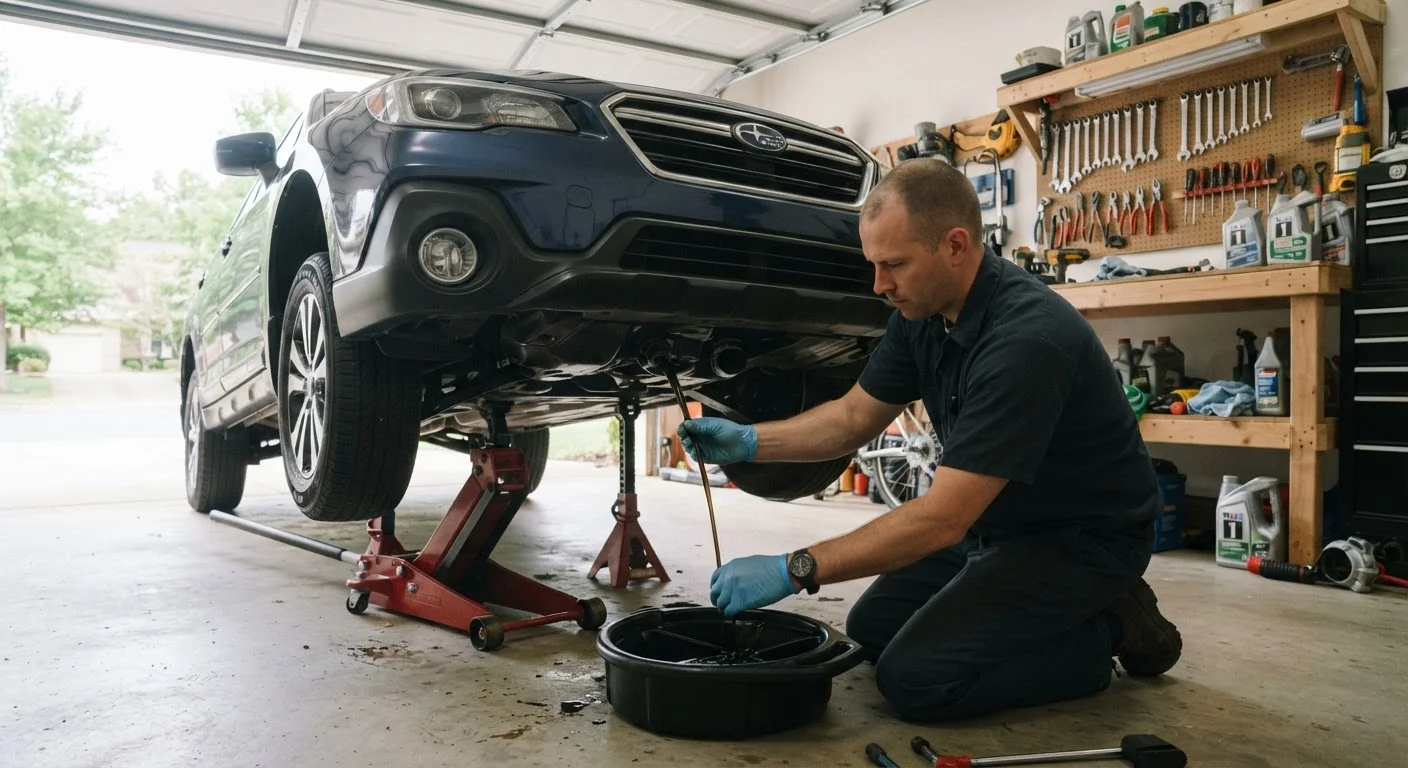
Photo credit: FaqBulletin.com | Information Made Easy
In this article
Some maintenance tasks are straightforward for home mechanics. Others carry real safety and warranty risks. Know the difference.
Key Takeaways
- DIY maintenance on fluid checks, air filters, and wiper blades can meaningfully reduce routine ownership costs.
- Brake system repairs, suspension work, and airbag-related tasks carry serious safety risks if done incorrectly.
- Certain repairs may void a manufacturer's warranty or cause issues with insurance claims if not performed properly.
- Always consult your owner's manual and, when in doubt, have a qualified mechanic inspect or complete the work.
Reduces routine maintenance spending over time
Tasks like oil changes, air filter replacements, and wiper blade swaps cost a fraction of shop labor rates when handled at home. For households tracking every dollar, this adds up meaningfully across a vehicle's life.
Builds familiarity with your own vehicle
Regular hands-on inspection helps owners notice early warning signs - a fraying belt, low fluid, or unusual wear - before they become expensive failures.
Flexible scheduling on your own timeline
DIY maintenance eliminates shop wait times and scheduling friction, which often causes drivers to delay needed services longer than they should.
Many tasks require minimal tools or skill
Checking tire pressure, replacing cabin air filters, and topping off washer fluid are genuinely accessible to most vehicle owners with basic instructions and common household tools.
Mistakes on safety systems can be dangerous
Brake pads, rotors, and brake lines directly affect stopping distance and vehicle control. Incorrectly installed components have caused accidents; this is work where professional inspection is strongly advisable.
Some repairs may void manufacturer warranties
Certain powertrain or emissions-related repairs performed outside an authorized facility can complicate warranty claims. Review your warranty documentation before attempting unfamiliar work.
Improper disposal of fluids carries legal risk
Used motor oil, coolant, and transmission fluid are regulated hazardous materials. Dumping them improperly is illegal in all U.S. states and can result in fines.
Airbag and electrical system work is high-stakes
Supplemental restraint systems (SRS) and modern vehicle electronics require specialized diagnostic equipment. Amateur work on these systems can trigger accidental deployment or disable safety features.
Hidden damage can go undetected without expertise
A DIY repair that addresses the visible symptom may miss the underlying cause. A professional mechanic can identify related wear or damage that a first-time DIYer is unlikely to recognize.
The Case for DIY: Where It Genuinely Makes Sense
For everyday drivers, a handful of maintenance tasks represent a reasonable, low-risk opportunity to reduce what goes into the routine cost of vehicle ownership. These are jobs that require modest tools, follow straightforward procedures, and carry limited consequences if a minor mistake is made.
Air filter replacement is one of the clearest examples. Both engine and cabin air filters are typically accessible without specialized tools, and replacement intervals are spelled out in the owner's manual. A dirty cabin filter affects interior air quality; a clogged engine filter can reduce fuel efficiency. Neither replacement requires lifting the vehicle or working near safety-critical systems.
Wiper blade replacement, fluid checks, and tire pressure monitoring fall into the same category - useful, quick, and accessible. If you want a deeper look at how tire condition affects driving safety, see our guide to tire maintenance habits.
Reduces routine maintenance spending over time
Tasks like oil changes, air filter replacements, and wiper blade swaps cost a fraction of shop labor rates when handled at home. For households tracking every dollar, this adds up meaningfully across a vehicle's life.
Builds familiarity with your own vehicle
Regular hands-on inspection helps owners notice early warning signs - a fraying belt, low fluid, or unusual wear - before they become expensive failures.
Flexible scheduling on your own timeline
DIY maintenance eliminates shop wait times and scheduling friction, which often causes drivers to delay needed services longer than they should.
Many tasks require minimal tools or skill
Checking tire pressure, replacing cabin air filters, and topping off washer fluid are genuinely accessible to most vehicle owners with basic instructions and common household tools.
Oil changes occupy a middle ground. They're within reach for many owners, but require proper disposal of used oil, the right oil specification for your engine, and a correctly torqued drain plug and filter. Choosing between oil types is a separate decision - our explainer on synthetic vs. conventional motor oil covers the key differences.
Where DIY Crosses Into Risky Territory
The line between manageable and hazardous DIY maintenance is often clearer in hindsight than it is at the garage door. Several categories of repairs consistently create problems when approached without professional training or equipment.
Brake system work tops the list. Replacing brake pads appears straightforward in online tutorials, but the job involves correct torque specifications, caliper piston compression, brake fluid condition, and rotor surface inspection. An error in any of these areas affects stopping ability - directly and immediately. For context on how safety assumptions can go wrong, see car safety myths American drivers still believe.
When Your Owner's Manual Is the Starting Point
Your vehicle's owner's manual specifies recommended service intervals, fluid types, and maintenance requirements from the manufacturer. Following it precisely - rather than generic internet advice - is the most reliable foundation for any DIY maintenance decision. Deviating from manufacturer specifications, even with good intentions, can introduce problems that were otherwise avoidable.
Suspension and steering components - tie rods, ball joints, control arm bushings - require wheel alignment after replacement. Skipping alignment creates uneven tire wear and unpredictable handling. These jobs also frequently involve corroded fasteners that require professional tools to safely remove.
Airbag and electrical system repairs should be avoided entirely by non-specialists. Modern vehicles have interconnected electronic control units; working on one system without proper diagnostic tools can inadvertently affect others. Airbag systems in particular can deploy unexpectedly during disassembly, causing serious injury.
Mistakes on safety systems can be dangerous
Brake pads, rotors, and brake lines directly affect stopping distance and vehicle control. Incorrectly installed components have caused accidents; this is work where professional inspection is strongly advisable.
Some repairs may void manufacturer warranties
Certain powertrain or emissions-related repairs performed outside an authorized facility can complicate warranty claims. Review your warranty documentation before attempting unfamiliar work.
Improper disposal of fluids carries legal risk
Used motor oil, coolant, and transmission fluid are regulated hazardous materials. Dumping them improperly is illegal in all U.S. states and can result in fines.
Airbag and electrical system work is high-stakes
Supplemental restraint systems (SRS) and modern vehicle electronics require specialized diagnostic equipment. Amateur work on these systems can trigger accidental deployment or disable safety features.
Hidden damage can go undetected without expertise
A DIY repair that addresses the visible symptom may miss the underlying cause. A professional mechanic can identify related wear or damage that a first-time DIYer is unlikely to recognize.
Warranty, Insurance, and Legal Considerations
Beyond safety, DIY maintenance carries practical consequences that aren't always obvious upfront. Vehicle warranties - particularly powertrain warranties - can be complicated by repairs performed outside manufacturer-approved procedures, even if the work is technically correct. It's worth reviewing your specific warranty terms or contacting your dealership before attempting anything beyond basic maintenance.
Used oil, coolant, and brake fluid are classified as hazardous waste under federal and state regulations. Most auto parts retailers accept used fluids for recycling at no charge - this is the appropriate disposal method, not household trash or storm drains.
For a broader look at how maintenance decisions fit into total vehicle costs, the guide to keeping a car on a tight budget provides useful framing. And if you're weighing whether a particular job warrants a shop visit, comparing dealer service vs. independent shops can help clarify your options.
The most effective approach to DIY maintenance is a clear-eyed one: know which tasks genuinely save money and time, understand where professional expertise protects you, and consult your owner's manual before starting anything unfamiliar. Staying current with scheduled maintenance is ultimately what prevents the larger, avoidable failures.

Author
Automotive Editorial Team
Automotive Editorial Team is the collective byline for our editorial team and contributor network. Articles published under this byline or an editorial pen name are researched, written, and reviewed according to our editorial standards for clarity, consistency, and independence before publication.
View all articles →