
How to Tame a Nervous or Skittish Small Pet
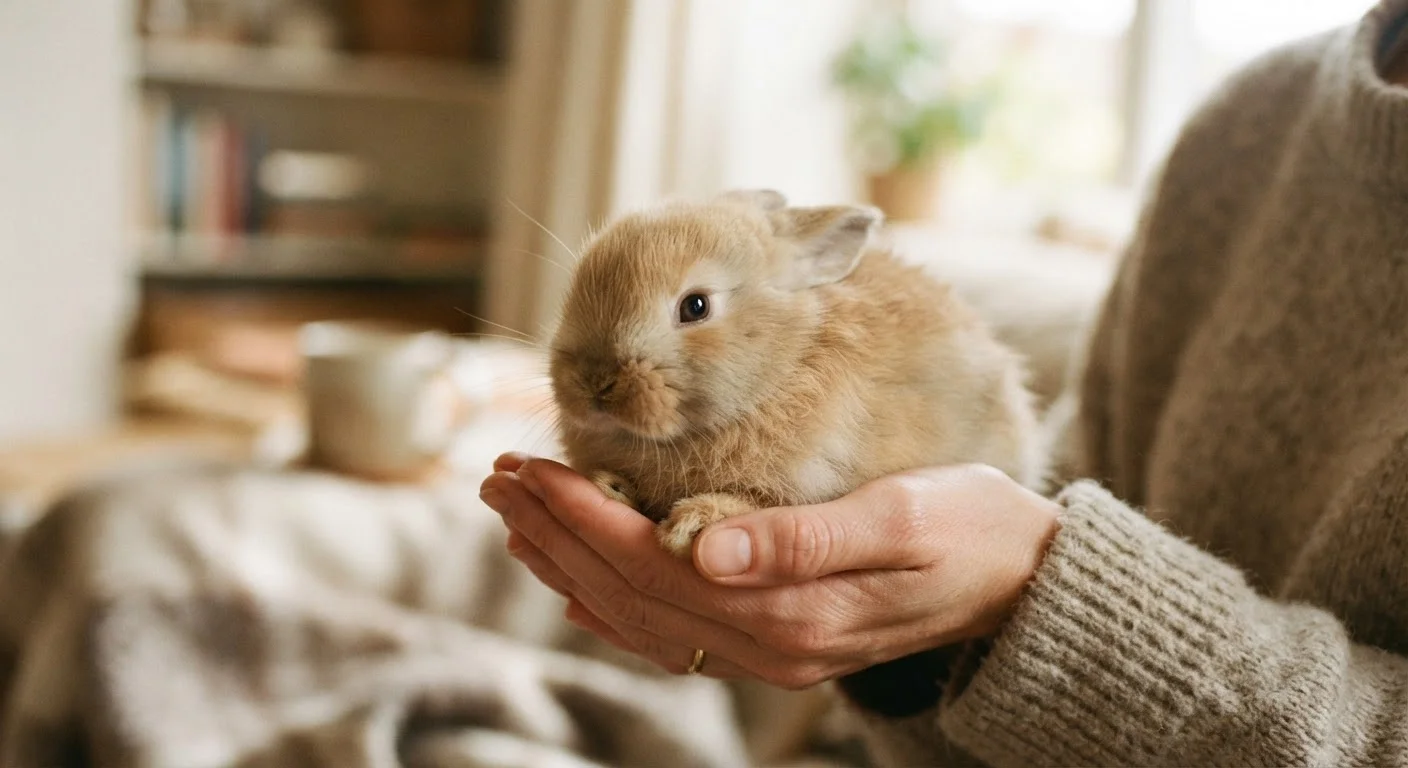
Photo credit: FaqBulletin.com | Information Made Easy
In this article
Building trust with a fearful rabbit, guinea pig, or bird takes patience and the right approach. Here's a step-by-step method grounded in animal behavior basics.
Key Takeaways
- Prey animals like rabbits, guinea pigs, and birds are wired to be fearful — this is normal, not a personality flaw.
- Consistent, low-stress daily interactions build trust far faster than infrequent intensive handling sessions.
- Scent familiarization before physical contact is a proven first step for skittish small pets.
- Forcing contact or moving too quickly can set back taming progress significantly.
- Most small pets show measurable improvement in trust within two to four weeks of structured effort.
Why Small Pets Are So Often Fearful
Rabbits, guinea pigs, hamsters, and many pet birds are prey animals. Their survival instincts are built around caution — fleeing, freezing, or hiding at perceived threats. This isn't timidity to be corrected; it's deeply wired behavior that kept their wild ancestors alive. Understanding this reframes the taming process entirely: you're not fixing a broken pet, you're systematically demonstrating that you are safe.
Many small pets arrive in homes already carrying stress from handling during transport, rehoming, or early life at a breeding facility or shelter. If you've adopted from a rescue, your pet may have had limited positive human contact. If you're starting from scratch with a new animal, see our household readiness checklist to make sure your environment is set up to minimize unnecessary stress from day one.
Fearfulness Can Signal Illness
A sudden increase in skittish behavior — especially in a pet that was previously calm — can indicate pain or illness rather than a behavioral issue. Small animals instinctively mask symptoms, so a behavioral shift is sometimes the first visible sign. If your pet's fear response seems to have appeared or worsened suddenly, consult a veterinarian before proceeding with taming work. See our guide on recognizing early warning signs in small pets for what to watch for.
Housing also shapes behavior significantly. Animals in enclosures that are too small, poorly ventilated, or in high-traffic areas experience chronic stress that makes taming much harder. For species-specific setup guidance, our guinea pig housing guide and indoor vs. outdoor housing overview are useful starting points.
What You'll Need Before You Start
Taming requires minimal equipment but significant consistency. The tools below support a low-stress approach to building familiarity.
What you will need
High-value treats
Used to create positive associations with your presence during each interaction session.
Soft, non-rustling fabric or fleece
Placed near the enclosure so the pet becomes familiar with your scent before contact.
Hiding spot or cardboard box
Gives the pet a retreat option during floor sessions, reducing stress and building confidence.
Low-sided playpen or exercise pen
Creates a safe, enclosed area for floor-level interaction without the risk of escape or injury.
Birds deserve a specific note here: taming a parrot or parakeet follows the same core principles but unfolds differently given that birds are often more reactive to sudden movements and can be particularly sensitive to eye contact. Our guide to the realities of pet bird ownership covers the broader behavioral expectations that shape training success.
Step-by-Step: Taming Your Skittish Pet
Work through these steps in order. Do not skip ahead — each stage builds on the one before it. A single rushed session can require restarting from an earlier step, so consistent patience across short daily sessions will always outpace sporadic intensive efforts.
Establish a Calm, Predictable Routine
Before any hands-on interaction, spend several days simply being present near your pet's enclosure at the same times each day. Sit quietly nearby, speak in a low and even tone, and avoid sudden movements. Prey animals — rabbits, guinea pigs, birds — rely heavily on predictability to assess safety. When your presence consistently signals nothing threatening, their baseline stress level drops noticeably.
Introduce Your Scent Before Your Hands
Place a piece of soft, worn fabric — a t-shirt or fleece square — inside or just outside the enclosure. Your scent on this item allows the animal to investigate at its own pace without the pressure of your physical presence. Once the pet interacts with or rests near the fabric without signs of stress (such as thumping, freezing, or alarm vocalizations), you've cleared an important first milestone.
Offer Treats From Inside the Enclosure
Begin placing treats near the enclosure door with your hand resting still and low. The goal is for the animal to approach your hand voluntarily. Do not reach toward the pet — let it close the distance. If it retreats, withdraw your hand slightly and try again the next session. This stage may take several days. Patience here pays dividends in every subsequent step.
Progress to Brief, Floor-Level Interaction
Once the animal consistently accepts treats from your hand, move sessions to an enclosed floor area. Sit at ground level — this is critical, as looming over a small animal triggers its flight response. Allow the pet to explore freely with a hiding option available. Continue to let all approaches be initiated by the animal. Over several sessions, begin to extend your hand near the pet while it eats, building comfort with proximity.
Introduce Gentle Touch
When the animal is comfortable eating beside your resting hand, begin offering slow, deliberate gentle strokes — starting on the shoulder or back, never the face, feet, or belly. Keep strokes brief at first. Watch the animal's body language closely: relaxed ears, calm posture, and continued eating indicate acceptance; tensing, flinching, or attempting to flee mean you should pause and return to the previous step.
Introduce Lifting Only After Consistent Calm Touch
Lifting and holding is the final trust milestone. When the animal allows extended gentle petting without tension, you can begin short, supported lifts — keeping the animal close to your body and supporting its hindquarters fully. Return it to the ground immediately if it struggles. Sessions should remain short (two to three minutes) and always end before the animal shows significant distress. Gradually extend duration as comfort grows.
Let the Pet Set the Pace
Every small animal has its own timeline. Some rabbits and guinea pigs begin approaching voluntarily within a week; others need a month or more of consistent, patient work. Resist comparing your pet's progress to others'. Steady, daily effort at a pace the animal is comfortable with will always outperform rushing.
Rabbits in particular benefit from being allowed to approach entirely on their terms. The common mistakes new rabbit owners make article covers several handling errors — including forcing early contact — that stall socialization progress. For a broader overview of rabbit socialization as part of overall care, see the complete rabbit care guide.
Never Restrain a Panicking Animal
Forcibly holding or chasing a frightened small pet — especially a rabbit — can cause serious injury. Rabbits in particular can fracture their own spines when thrashing in panic. Always allow the animal to retreat to its safe space, and return to an earlier, more comfortable step in the taming process rather than pushing forward.

Author
Pets Editorial Team
Pets Editorial Team is the collective byline for our editorial team and contributor network. Articles published under this byline or an editorial pen name are researched, written, and reviewed according to our editorial standards for clarity, consistency, and independence before publication.
View all articles →