
Before You Bring Home a Small Pet: A Household Readiness Checklist
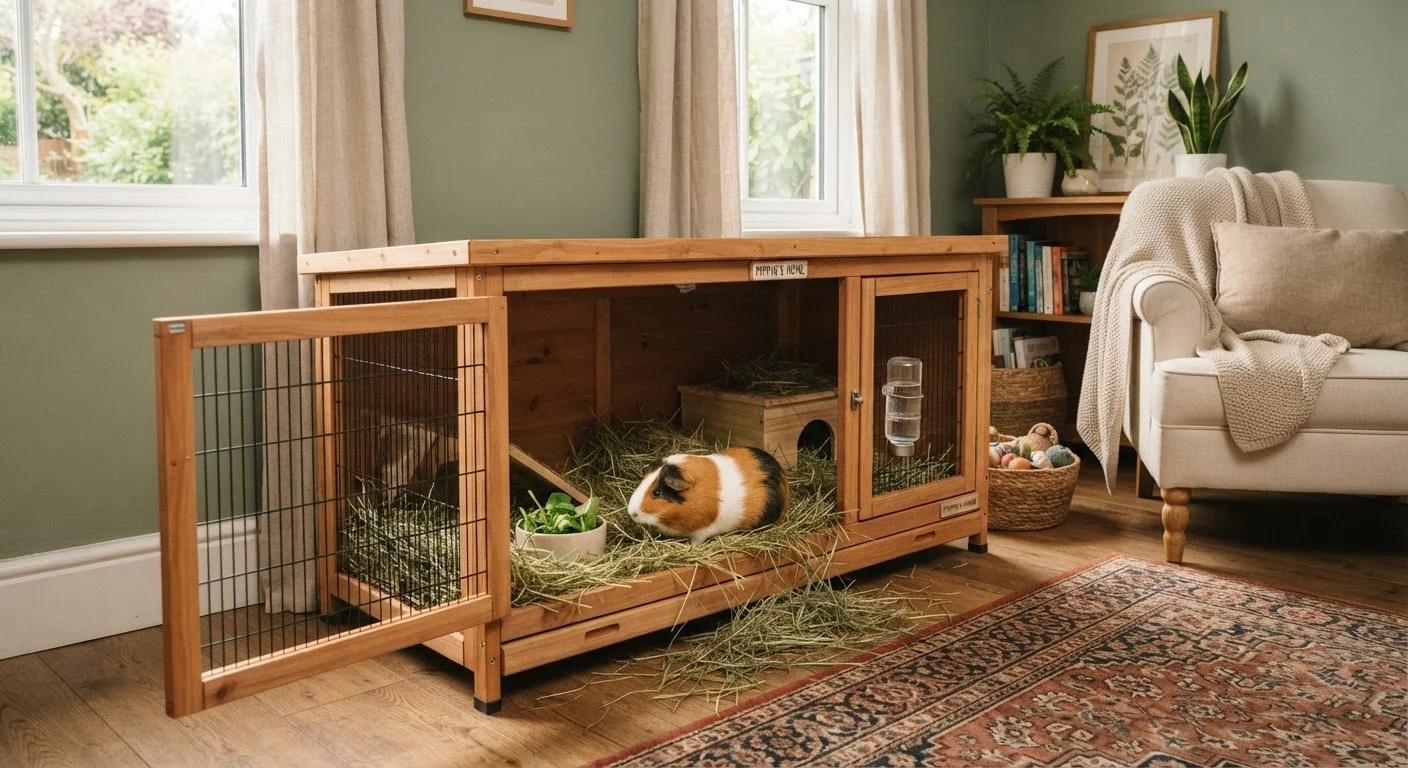
Photo credit: FaqBulletin.com | Information Made Easy
In this article
Use this checklist to confirm your home, schedule, and budget are ready before adopting a rabbit, guinea pig, hamster, or bird.
Key Takeaways
- Small pets like rabbits, guinea pigs, hamsters, and birds have species-specific housing, diet, and handling needs that differ significantly from cats and dogs.
- Finding an exotic-animal veterinarian before bringing your pet home is one of the most important steps you can take.
- Household hazards such as toxic plants, drafts, and unsecured spaces can seriously harm small pets and must be addressed in advance.
- Ongoing costs — food, bedding, vet care, and enrichment — add up and should be budgeted before adoption.
- Children in the household need clear supervision guidelines, as most small pets are not naturally suited to rough or unpredictable handling.
Why a Readiness Checklist Matters for Small Pets
Small pets are often marketed as low-maintenance starter animals, but that framing can mislead families into underpreparing. Rabbits can live 8–12 years. Guinea pigs are social animals that typically need a companion. Many birds require daily mental stimulation and can develop stress behaviors without it. The care demands are real, even if the animals are small.
This checklist is designed for households considering a rabbit, guinea pig, hamster, gerbil, or small bird. It covers the four areas that most commonly catch new owners off guard: environment, veterinary access, daily care logistics, and household safety. If you have children at home, also review our companion guide on what to realistically expect with small pets and young kids.
Work through each group below before adoption day — not after.
Housing and Environment
Household Safety
Veterinary Access
Daily Care and Budget
Tools and Resources You'll Want on Hand
Before diving into the checklist itself, confirm you have the basic resources available to research and act on each item. The tools below are not product endorsements — they're categories of what you'll need to locate.
Species-specific care guide
Provides baseline housing, diet, and handling requirements for your chosen animal — consult a reputable source such as a veterinary association or accredited humane organization.
Exotic or small-animal veterinarian
Many general practice vets do not treat rabbits, birds, or rodents — you need a confirmed provider before your pet arrives home.
Digital food and health log
Tracking daily food intake, water consumption, and stool appearance helps detect early illness in prey species that naturally hide symptoms.
Safe-plant reference list
A verified list of plants toxic to your specific species allows you to audit your home and yard before your pet has access to any space.
Enclosure thermometer
Many small animals are highly sensitive to temperature extremes; monitoring the enclosure environment prevents heat stress or cold exposure.
For rabbits specifically, our editorial team has outlined the most common early mistakes in Rabbit Care From Day One, which pairs well with this checklist as a next step.
What Happens If You Skip the Prep
Small pets mask illness instinctively — a survival behavior inherited from prey species. By the time visible symptoms appear, a health issue may already be advanced. That's why having a vet identified before your pet comes home matters so much. Learn more about recognizing early trouble in our article on why small pets get sick quietly and how to catch warning signs early.
Exotic Vets Are Not Universal
Not every veterinary clinic treats rabbits, guinea pigs, hamsters, or birds. These animals are classified as exotic patients, and their care requires specialized training. Do not assume your nearest general-practice vet will accept them. Search for an exotic animal veterinarian in your area and confirm availability before you bring your pet home — waiting until a health crisis is far too late.
Household readiness also includes your schedule. Small animals kept in under-stimulating environments or handled inconsistently can develop stress behaviors — fur-chewing in rabbits, bar-biting in hamsters, feather-plucking in birds. These behaviors are harder to reverse once established. For a thorough look at what routine veterinary care looks like for exotic patients, see our guide on small pet veterinary care.
Avoid These Common Pre-Adoption Shortcuts
Buying an enclosure the same day you buy the animal leaves no time to properly set it up, clean it, or assess whether it meets your pet's space needs. Similarly, skipping the vet introduction until 'something seems wrong' misses the baseline wellness exam that gives you a reference point for your animal's normal health. Small preparation gaps tend to become large problems quickly with prey-species animals.
This article provides general educational information for prospective pet owners and is not a substitute for guidance from a qualified veterinarian familiar with your specific species and animal.

Author
Pets Editorial Team
Pets Editorial Team is the collective byline for our editorial team and contributor network. Articles published under this byline or an editorial pen name are researched, written, and reviewed according to our editorial standards for clarity, consistency, and independence before publication.
View all articles →