
Why Small Pets Get Sick Quietly — and How to Spot Early Warning Signs
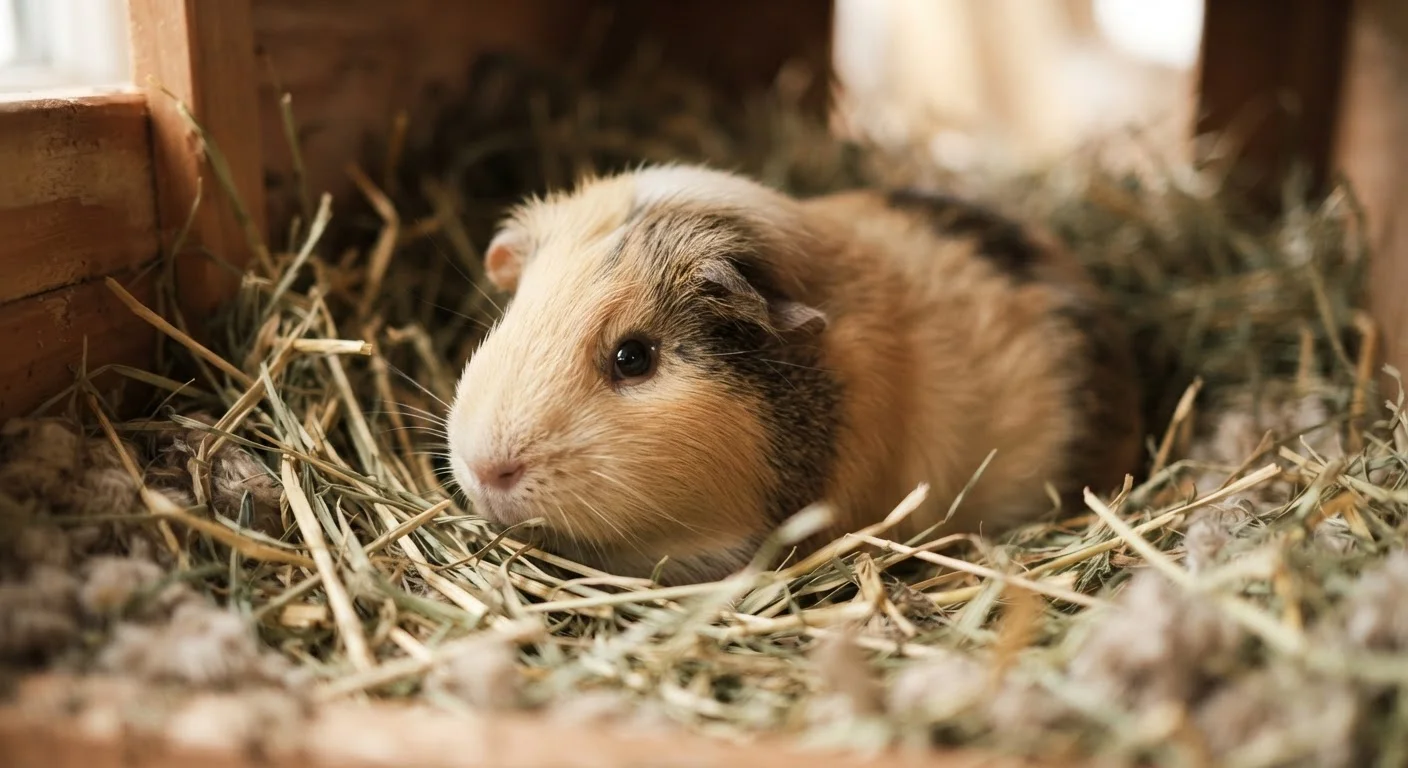
Photo credit: FaqBulletin.com | Information Made Easy
In this article
Rabbits, guinea pigs, and birds often mask illness instinctively. Learn the behavioral and physical cues that signal something may be wrong.
Key Takeaways
- Small prey animals instinctively hide illness, making early detection difficult for owners.
- Behavioral changes — not just physical symptoms — are often the first warning sign.
- A drop in food or water intake is one of the most reliable early red flags across species.
- Changes in droppings, posture, vocalization, and social engagement all warrant attention.
- Finding an exotic-animal vet before an emergency is essential for small pet owners.
- Daily brief observations build the baseline knowledge needed to catch subtle changes early.
The Survival Instinct That Works Against Pet Owners
Rabbits, guinea pigs, hamsters, and pet birds share something important in common: they are all prey animals. For millions of years, their wild ancestors survived by appearing healthy and strong, even when they weren't. Predators target the weak, so suppressing outward signs of illness became a life-saving adaptation.
That same instinct persists in domestic pets today — and it creates a real challenge. By the time a small pet shows unmistakable signs of illness, the condition has often been developing for days or longer. Understanding this biological reality is the starting point for every small pet owner.
This contrasts with dogs, who tend to be more expressive about discomfort. Even cats — known for concealing pain — are more studied in the veterinary literature than small exotics. For a comparison, our article on signs of pain in cats outlines how that instinct plays out in felines. Small pets take concealment even further.
Exotic Patients Need Specialist Vets
Rabbits, guinea pigs, hamsters, and birds are classified as exotic patients in veterinary medicine — they require clinicians trained specifically in their physiology and common conditions. Many general-practice veterinary clinics do not have this expertise. Before your small pet needs emergency care, identify an exotic-animal veterinarian in your area and establish a care relationship. Our guide to small pet veterinary care explains what to look for.
Behavioral Changes: The Earliest Warning System
Because physical symptoms are suppressed, behavior is where most early illness signals appear. Owners who know their pet's normal routines are far better positioned to notice deviations. Key behavioral changes to watch for include:
- Reduced appetite or water intake: One of the most universally reliable signs across species. A rabbit that skips pellets, a guinea pig ignoring its greens, or a parakeet leaving seed untouched — all warrant prompt attention.
- Withdrawal and hiding: A normally social pet retreating to a corner or hiding space more than usual is often masking distress.
- Decreased activity: Lethargy that doesn't resolve after a short rest, or a pet that is reluctant to move, can indicate pain or systemic illness.
- Changes in vocalization: Birds that go unusually quiet, or guinea pigs that stop their characteristic wheeks, may be signaling that something is wrong.
- Altered social behavior: Pets that usually seek interaction but are now avoiding contact, or vice versa, are worth monitoring closely.
If your pet is normally active and curious — and then isn't — that shift matters. See our guide on reading small pet behavior for context on what a normal behavioral baseline looks like.
~48 hrs
Time before GI stasis becomes critical in rabbits
Veterinary exotic animal resources consistently note that a rabbit that stops eating or producing droppings can deteriorate to a life-threatening state within 24–48 hours.
Often 30–40%
Weight loss before it becomes visually apparent in small mammals
Exotic animal veterinarians commonly note that small pets can lose a significant proportion of body condition before owners detect it by sight alone, underscoring the value of routine scale checks.
Physical Cues That Signal Something Is Wrong
Beyond behavior, certain physical signs are consistently associated with illness in small pets. None of these should be diagnosed at home, but recognizing them quickly helps owners seek care before conditions worsen.
Droppings
Changes in the size, shape, consistency, or frequency of droppings are significant across all small mammal species. Rabbits, in particular, rely on continuous gut motility for survival — a reduction or absence of droppings can indicate gastrointestinal stasis, a potentially life-threatening condition. For more on rabbit-specific health baselines, see our rabbit care guide.
Posture and Appearance
A hunched posture, pressed abdomen, or a reluctance to bear weight on a limb can all reflect pain. In birds, fluffed feathers held over an extended period — rather than briefly after preening — are a classic warning sign. Discharge around the eyes, nose, or vent (in birds) is another physical cue that warrants veterinary attention.
Breathing
Any labored, noisy, or rapid breathing in a small pet is an urgent concern. Birds are especially sensitive here: tail-bobbing with each breath is a sign of respiratory distress and typically requires same-day care.
Weight Loss
Small animals can lose weight rapidly while still appearing to eat. Gently feeling along the spine and hips periodically helps owners detect gradual loss before it becomes visible. Many exotic vets recommend monthly weight checks using a kitchen scale.
Building the Habit of Daily Observation
The most effective tool for early illness detection is simple: consistent, informed observation. Owners who spend even two to three minutes each day actively looking at their pet — not just providing food and moving on — build the baseline awareness that makes subtle changes detectable.
Make a habit of checking:
- Whether food and water were consumed since the last check
- The quantity and quality of droppings in the enclosure
- Your pet's posture, eye brightness, and coat or feather condition
- How your pet responds to your presence — with normal curiosity or unusual withdrawal
Good housing conditions also support observation. Well-lit, appropriately sized enclosures make it easier to monitor behavior and spot physical changes. Our article on indoor vs. outdoor housing for small pets covers how your setup affects your ability to monitor and protect your pet's health.
Finally, having an established relationship with an exotic-animal veterinarian before an emergency is essential. Our companion article on small pet veterinary care walks through what to look for in a specialist and which symptoms always require professional evaluation.
This article is for general informational purposes only and is not a substitute for professional veterinary advice. If you are concerned about your pet's health, contact a qualified exotic-animal veterinarian promptly.
Frequently Asked Questions

Author
Pets Editorial Team
Pets Editorial Team is the collective byline for our editorial team and contributor network. Articles published under this byline or an editorial pen name are researched, written, and reviewed according to our editorial standards for clarity, consistency, and independence before publication.
View all articles →