
Signs of Pain in Cats and Why They Hide It So Well
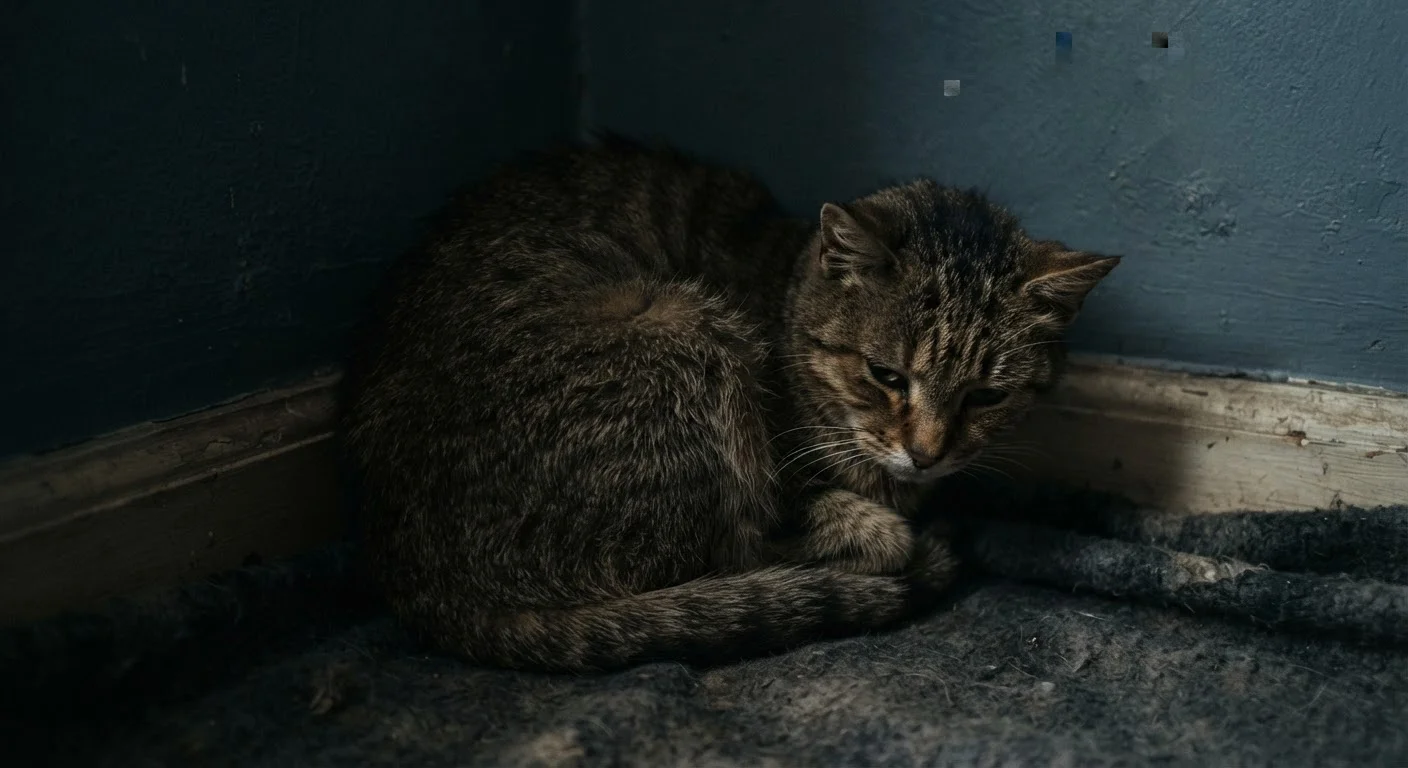
Photo credit: FaqBulletin.com | Information Made Easy
In this article
Cats are instinctive concealers of discomfort. Learn the subtle behavioral and physical cues that can signal your cat is hurting.
Key Takeaways
- Cats are hardwired by evolution to conceal pain, making it genuinely difficult to detect.
- Subtle behavioral changes — not dramatic vocalizations — are the most reliable early signals.
- Changes in grooming habits, appetite, posture, and social withdrawal are key red flags.
- The Feline Grimace Scale is a validated clinical tool vets use to assess feline pain.
- When in doubt, a veterinary exam is always the right call — never attempt to manage cat pain at home with human medications.
- Consistent daily observation of your cat's normal habits is your best baseline for catching changes early.
Why Cats Are Wired to Hide Pain
Understanding feline pain starts with understanding feline evolution. Cats occupy a dual role in nature: they are predators, but small enough to be prey for larger animals. In that context, showing weakness — limping, flinching, withdrawing — signals vulnerability to anything that might hunt them. Over millennia, cats that masked discomfort survived longer and reproduced more successfully.
Domestic cats carry this same biological programming, even though your living room poses no actual predatory threat. The instinct is deeply embedded. This is why a cat with a fractured tooth, inflamed joints, or internal disease can appear to eat, groom, and interact at near-normal levels — at least until the pain becomes severe enough that concealment is no longer possible.
This reality places a meaningful responsibility on cat owners: you cannot wait for your cat to tell you something is wrong in an obvious way. You have to learn to read the subtler language instead. Our guide to reading your cat's body language from ear to tail covers the full communication toolkit cats use — an essential companion to understanding pain signals specifically.
Pain Masking Is Not Stubbornness
It can be tempting to interpret a sick cat's lack of obvious distress as a sign that things aren't that serious. In reality, the absence of crying or obvious limping is a feature of feline biology, not evidence that a cat is fine. Veterinarians are trained to look past behavioral masking — which is one reason regular wellness exams matter even for cats that appear healthy.
Behavioral Signs That Deserve Attention
The most reliable pain indicators in cats are behavioral, not physical. Because cats suppress outward physical reactions, watching how your cat acts day-to-day is often more informative than looking for a visible wound or limp.
- Social withdrawal: A cat that normally seeks contact and suddenly hides under the bed or avoids touch may be hurting. Pain makes social interaction feel threatening or exhausting.
- Changes in grooming: Both extremes matter. Neglecting grooming — leaving the coat dull, matted, or unkempt — suggests the cat can't or won't move comfortably. Obsessive grooming or licking one area can signal localized pain beneath the skin.
- Appetite and thirst shifts: Eating less, eating more slowly, or leaving food untouched are common pain indicators, particularly when dental or abdominal discomfort is involved.
- Altered litter box behavior: Eliminating outside the box, crying during urination, or straining can signal urinary pain, constipation, or musculoskeletal difficulty getting in and out of the box.
- Reluctance to jump or move: Arthritis, injury, or internal pain often shows first as hesitation before jumping, stiff posture when rising, or avoiding surfaces the cat previously reached easily.
- Aggression or irritability: A normally calm cat that hisses, bites, or reacts sharply when touched in a specific area is communicating that touch hurts — even if indirectly.
~40%
Cats affected by osteoarthritis
Research published in veterinary literature suggests arthritis affects a significant proportion of cats over age 6, yet it is frequently underdiagnosed because cats mask lameness effectively.
2–5 years
Average delay before dental pain is treated
Veterinary dental surveys indicate many cats live with painful oral disease for years before owners notice behavioral changes significant enough to prompt a vet visit.
5 cues
Facial indicators in the Feline Grimace Scale
The Feline Grimace Scale, developed and validated by researchers at Université de Montréal, identifies five facial action units that reliably indicate acute pain in cats.
Reading the Feline Face for Pain Cues
Veterinary science has developed a validated assessment tool called the Feline Grimace Scale (FGS), which identifies five specific facial indicators of acute pain in cats. Understanding these can help owners recognize distress that would otherwise be invisible:
- Orbital tightening: Eyes squinted or partially closed rather than normally open and relaxed.
- Ear position: Ears flattened, rotated outward, or pressed toward the skull rather than upright and forward.
- Muzzle tension: The area around the nose and cheeks appears tight or drawn rather than soft and rounded.
- Whisker change: Whiskers pulled back against the face, clumped together, or pointing downward instead of fanning naturally outward.
- Head position: Head lowered below shoulder level and carried with less mobility than usual.
No single cue is definitive on its own, but seeing two or more simultaneously — especially alongside behavioral changes — is a meaningful signal that warrants veterinary attention. It's also worth noting, as common cat health myths explains, that a purring cat is not necessarily a comfortable one — purring can be a self-soothing response to pain or stress, not evidence of wellbeing.
What to Do If You Suspect Your Cat Is in Pain
If you observe a cluster of the signs above — particularly if they represent a change from your cat's normal behavior — the right move is to contact your veterinarian. Do not attempt to manage your cat's pain at home using human medications. Common over-the-counter analgesics like acetaminophen and ibuprofen are highly toxic to cats and can be fatal even in small amounts. Only a veterinarian can safely diagnose the source of pain and prescribe appropriate treatment.
Before your appointment, make notes: when did the behavior change, how frequently does it occur, and are there any other physical observations (lumps, changes in coat, unusual posture)? This information helps your vet narrow down causes quickly and leads to more efficient, targeted care.
The single most effective tool you have as a cat owner is knowing your individual cat's baseline. Regular daily observation — watching how your cat moves, eats, grooms, and interacts — gives you the context to spot meaningful deviations early, when intervention is most effective. Consistent, attentive ownership is what catches pain in its early stages, long before a cat's concealment instincts can no longer keep up.
This article is for general informational purposes only and does not constitute veterinary medical advice. Always consult a licensed veterinarian regarding your cat's health, symptoms, or treatment options.
Frequently Asked Questions

Author
Pets Editorial Team
Pets Editorial Team is the collective byline for our editorial team and contributor network. Articles published under this byline or an editorial pen name are researched, written, and reviewed according to our editorial standards for clarity, consistency, and independence before publication.
View all articles →