
Owning a Pet Bird: The Upsides and the Honest Challenges
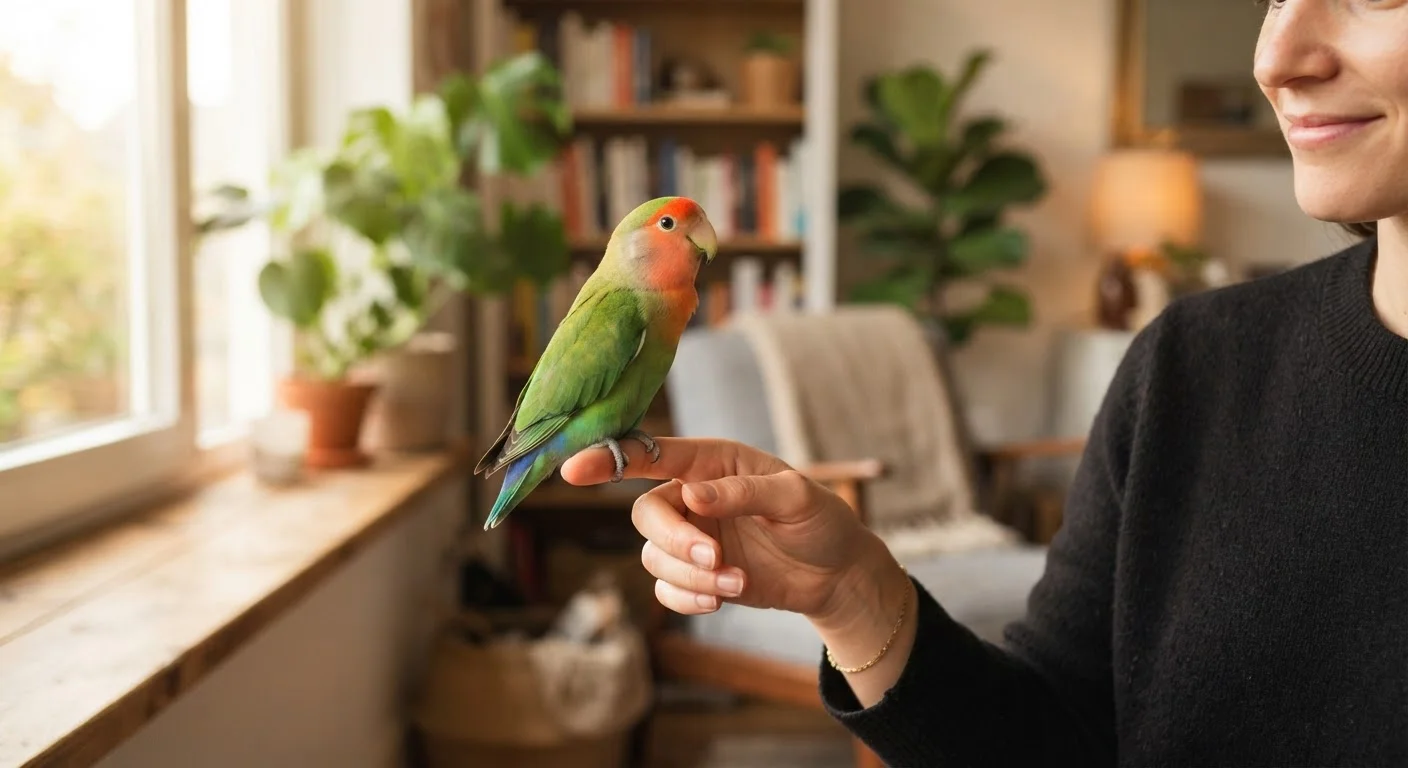
Photo credit: FaqBulletin.com | Information Made Easy
In this article
Birds can be joyful companions, but they come with real demands. A balanced look at the rewards and responsibilities of keeping a pet bird at home.
Key Takeaways
- Pet birds can be highly social and form genuine bonds with their owners over time.
- Many bird species live 10–30+ years, making ownership a long-term commitment.
- Birds require specialized avian veterinary care that can be harder to find and more costly.
- Noise, mess, and daily interaction needs are real factors to weigh before adopting.
- Smaller species like parakeets and cockatiels are generally more manageable for first-time bird owners.
Highly social and capable of genuine bonding
Many species, including cockatiels and African greys, form strong attachments to their owners and recognize individual people. This bond can be deeply rewarding and emotionally meaningful over time.
Intellectually stimulating for both bird and owner
Birds — especially parrots — can learn words, solve simple puzzles, and respond to routine. Owners often find that engaging with a bird's curiosity and intelligence is one of the most satisfying aspects of ownership.
Suitable for smaller living spaces
Unlike dogs, birds don't require outdoor exercise or large floor space. A well-sized cage in a living room or bedroom can comfortably house a small bird species.
Long lifespan means a lasting companion
Many pet bird species live well beyond a decade — parakeets average 7–15 years, while larger parrots can live 30–60 years. For those prepared for that commitment, it can be a uniquely enduring relationship.
Relatively quiet species exist for noise-sensitive homes
Not all birds are loud. Species like budgerigars (parakeets) and some doves produce soft, manageable sounds that are unlikely to disturb neighbors or housemates.
Require significant daily social interaction
Birds left without adequate social engagement can develop behavioral problems including feather destructive behavior and excessive vocalization. Daily out-of-cage time and interaction are generally considered necessary, not optional.
Specialized avian vet care is harder to find
Birds are exotic patients and require veterinarians with avian training. Depending on your location, finding a qualified avian vet may require travel, and costs are often higher than for routine dog or cat care.
Noise levels can be disruptive
Some species — particularly conures and cockatoos — can produce sounds that exceed comfortable indoor volumes, especially during morning and evening activity peaks.
Mess and feather dust require consistent cleaning
Birds scatter seed, drop feathers, and produce fine particulate dust, particularly species like cockatiels and African greys. This can aggravate allergies and requires more frequent cleaning than many owners anticipate.
Long lifespan is a major commitment
A bird's long life — an advantage for some — means owners must plan for decades of care, including housing, diet, and veterinary costs through major life changes such as moving, having children, or changes in income.
Sensitive to household hazards
Birds have delicate respiratory systems and can be harmed by common household items including non-stick cookware fumes, scented candles, aerosol sprays, and certain houseplants. Bird-proofing a home requires genuine diligence.
Why People Are Drawn to Pet Birds
Birds occupy a unique space in the world of companion animals. Unlike dogs or cats, they communicate through sound and body language in ways that many owners find endlessly fascinating. A cockatiel that mimics your whistle, or a parakeet that chatters softly while you work from home, creates a sense of genuine two-way connection.
Birds are also well-suited to apartment living or homes where a dog isn't practical. They take up comparatively little physical space, don't require outdoor walks, and for households already familiar with small pets, they represent a meaningful step up in interactivity. If you're weighing bird ownership against other options, it helps to compare temperament and care needs — our guide on parakeets, cockatiels, and conures breaks down three popular species side by side.
Highly social and capable of genuine bonding
Many species, including cockatiels and African greys, form strong attachments to their owners and recognize individual people. This bond can be deeply rewarding and emotionally meaningful over time.
Intellectually stimulating for both bird and owner
Birds — especially parrots — can learn words, solve simple puzzles, and respond to routine. Owners often find that engaging with a bird's curiosity and intelligence is one of the most satisfying aspects of ownership.
Suitable for smaller living spaces
Unlike dogs, birds don't require outdoor exercise or large floor space. A well-sized cage in a living room or bedroom can comfortably house a small bird species.
Long lifespan means a lasting companion
Many pet bird species live well beyond a decade — parakeets average 7–15 years, while larger parrots can live 30–60 years. For those prepared for that commitment, it can be a uniquely enduring relationship.
Relatively quiet species exist for noise-sensitive homes
Not all birds are loud. Species like budgerigars (parakeets) and some doves produce soft, manageable sounds that are unlikely to disturb neighbors or housemates.
The Real Challenges of Bird Ownership
Birds are often underestimated as pets, partly because they're sold in pet stores without the same adoption counseling that dogs and cats typically receive. The reality is that many birds — especially parrots — are highly intelligent animals with complex social and emotional needs that aren't met by a cage, seed, and occasional handling.
Noise is among the most commonly cited surprises. Even smaller species like sun conures can produce sounds loud enough to disturb neighbors. Mess is another daily reality: feather dust, scattered seed hulls, and droppings require consistent cleaning around and beneath the cage. And unlike dogs or cats, birds are classified as exotic animals by most veterinary practices, meaning you'll need an avian specialist rather than a general practitioner. Our article on small pet veterinary care covers what to expect from routine visits and which symptoms to never ignore.
Require significant daily social interaction
Birds left without adequate social engagement can develop behavioral problems including feather destructive behavior and excessive vocalization. Daily out-of-cage time and interaction are generally considered necessary, not optional.
Specialized avian vet care is harder to find
Birds are exotic patients and require veterinarians with avian training. Depending on your location, finding a qualified avian vet may require travel, and costs are often higher than for routine dog or cat care.
Noise levels can be disruptive
Some species — particularly conures and cockatoos — can produce sounds that exceed comfortable indoor volumes, especially during morning and evening activity peaks.
Mess and feather dust require consistent cleaning
Birds scatter seed, drop feathers, and produce fine particulate dust, particularly species like cockatiels and African greys. This can aggravate allergies and requires more frequent cleaning than many owners anticipate.
Long lifespan is a major commitment
A bird's long life — an advantage for some — means owners must plan for decades of care, including housing, diet, and veterinary costs through major life changes such as moving, having children, or changes in income.
Sensitive to household hazards
Birds have delicate respiratory systems and can be harmed by common household items including non-stick cookware fumes, scented candles, aerosol sprays, and certain houseplants. Bird-proofing a home requires genuine diligence.
Social Needs and Behavioral Realities
Birds are flock animals by nature. In the wild, they are rarely alone — and domestic birds retain that wiring. A bird left in a cage for most of the day with little interaction can develop stress behaviors including feather plucking, excessive screaming, or aggression. This isn't a flaw in the bird; it's a mismatch between the animal's needs and the environment provided.
Building trust with a bird takes time, especially if the animal came from a stressful background. Consistent, calm handling and patience are essential — the approach described in our guide on taming a nervous or skittish small pet applies well to birds too. Households with young children should think carefully about supervision and handling expectations; our piece on small pets for families with young children offers a realistic breakdown by species.
Birds Hide Illness Well
In the wild, showing signs of weakness makes a bird vulnerable to predators, so domestic birds have retained the instinct to mask illness. By the time a bird looks visibly unwell — fluffed feathers, reduced vocalization, changes in droppings — the condition may already be advanced. Annual wellness exams with an avian veterinarian are an important part of responsible bird ownership, not just reactive care.
Is Your Household Ready for a Bird?
Before bringing a bird home, honest self-assessment matters more than enthusiasm. Key questions include: Is someone home for a significant portion of the day? Can you locate and afford an avian vet in your area? Does anyone in your household have respiratory sensitivities that could be aggravated by feather dust? Are your living arrangements stable enough to care for an animal that may live 15–30 years?
Our household readiness checklist walks through the practical steps — budget, space, schedule, and more — that apply directly to bird ownership. If you're also weighing whether a bird is the right fit compared to a dog or cat, it helps to review what those relationships actually look like; see our hubs on dog care and cat care for reference.
~9 million
Pet birds kept in U.S. households
According to the American Pet Products Association's National Pet Owners Survey, birds are among the most commonly kept companion animals in the United States after dogs, cats, and freshwater fish.
15–60 years
Lifespan range across common pet bird species
Smaller species like parakeets typically live 7–15 years, while larger parrots such as macaws and cockatoos can live 50–60 years under proper care, according to avian care literature.
This article is for general informational purposes only and does not constitute veterinary advice. Always consult a qualified avian veterinarian for guidance specific to your bird's health and care needs.

Author
Pets Editorial Team
Pets Editorial Team is the collective byline for our editorial team and contributor network. Articles published under this byline or an editorial pen name are researched, written, and reviewed according to our editorial standards for clarity, consistency, and independence before publication.
View all articles →