
The Complete Guide to Caring for a Pet Rabbit
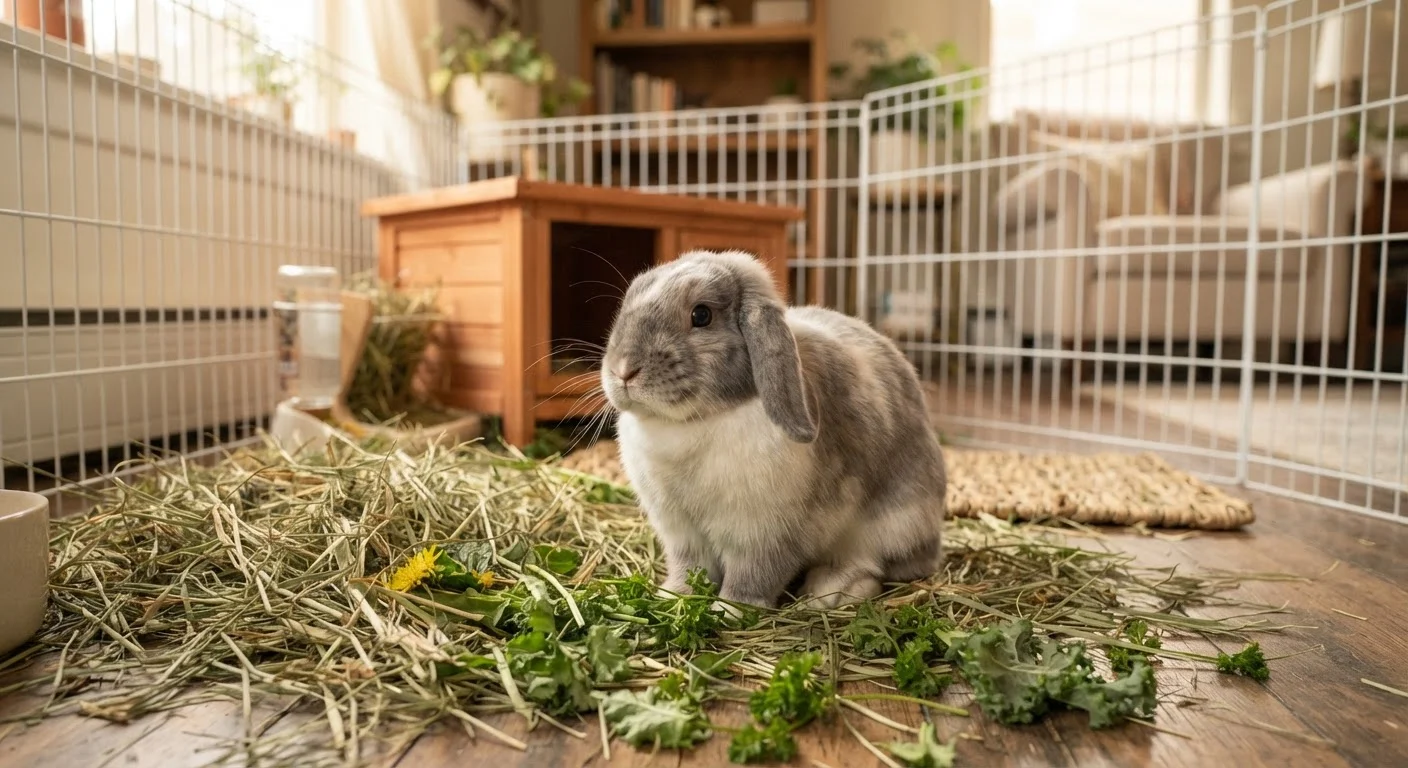
Photo credit: FaqBulletin.com | Information Made Easy
In this article
From diet and housing to health, socialization, and lifespan, this end-to-end resource covers everything rabbit owners need to know.
Key Takeaways
- Rabbits are social, intelligent animals that require daily interaction and substantial living space.
- Unlimited timothy hay should form the foundation of every adult rabbit's diet.
- Routine veterinary care, including spaying or neutering, significantly improves rabbit health and lifespan.
- Rabbits are prey animals whose stress signals can be subtle and easy to miss.
- A well-cared-for domestic rabbit typically lives 8–12 years, rivaling many cats and dogs.
Understanding Rabbit Behavior and Temperament
Rabbits are prey animals, which shapes nearly every aspect of their behavior. They are naturally alert, sensitive to sudden sounds and movements, and rely heavily on body language to communicate. Unlike dogs or cats, rabbits rarely vocalize distress — which means owners need to learn to read subtle physical cues like flattened ears, a hunched posture, or thumping hind feet.
At the same time, rabbits are genuinely curious and affectionate animals. A rabbit that feels safe in its environment will binky — a spontaneous leap and twist in the air that signals pure happiness — explore enthusiastically, and seek interaction with familiar humans. Understanding this dual nature is the foundation of good rabbit care.
If you're just starting out, our guide to common first-time rabbit owner mistakes covers the behavioral misreads that cause the most problems early on.
When introducing a new rabbit to your home, confine them to one quiet room for the first week rather than giving full house access immediately. This reduces overwhelm and helps them bond with a defined safe space.
Rabbits are prey animals that build confidence gradually; a controlled introduction period reduces chronic stress and supports faster socialization.
Always weigh your rabbit weekly using a postal or kitchen scale. A loss of even a few ounces can be an early indicator of GI stasis or dental disease — both serious conditions that escalate quickly.
Subtle weight loss is one of the earliest measurable signs of illness in rabbits, often appearing before behavioral changes become obvious.
Housing: Space, Setup, and Safety
The single most common housing mistake is underestimating how much space a rabbit needs. A rabbit should be able to take at least three full hops, stand upright on its hind legs, and stretch out completely — at minimum. For most breeds, that means an enclosure no smaller than 4 feet by 2 feet, with daily access to a larger exercise area of at least 24 square feet.
Many rabbit owners use a combination of a home base enclosure and a larger exercise pen, or allow free-roaming access to a rabbit-proofed room. Rabbit-proofing means securing or covering electrical cords, blocking access to toxic houseplants, and protecting baseboards and furniture, since rabbits chew compulsively as a natural behavior.
Key housing elements to provide:
- Solid flooring: Wire flooring injures rabbit feet. Use solid plastic, wood, or mat-covered surfaces.
- Hideaway box: A enclosed space where the rabbit can retreat reduces stress significantly.
- Litter box: Paper-based litter, refreshed regularly. Avoid cedar or pine shavings, which can irritate respiratory tissue.
- Hay rack: Positioned so hay is always available without contamination.
Litter Training Is Simpler Than You Think
Rabbits naturally choose one or two spots to eliminate, making litter box training very achievable. Place a box filled with paper-based litter (never clumping clay) in the corner they already prefer. Adding a handful of hay encourages use, since rabbits often eat and eliminate at the same time.
Diet: What Rabbits Actually Need
A rabbit's digestive system is designed for a high-fiber, plant-based diet, and getting this right is critical. The foundation of every adult rabbit's diet should be unlimited timothy, orchard grass, or meadow hay. Hay provides the long-strand fiber that keeps the gut moving and wears down continuously growing teeth.
Fresh leafy greens — such as romaine lettuce, cilantro, flat-leaf parsley, and arugula — should be offered daily, approximately one packed cup per two pounds of body weight. Pellets, if offered, should be plain, timothy-based, and limited to about a quarter cup per five pounds of body weight per day for adults. Fruits and starchy vegetables should be reserved as occasional small treats.
There is a great deal of misinformation circulating about what rabbits eat. Our breakdown of common rabbit diet myths separates fact from fiction on topics like carrots and iceberg lettuce.
Foods That Are Toxic to Rabbits
Iceberg lettuce, onions, garlic, avocado, chocolate, and any fruit seeds or pits are harmful to rabbits and should never be offered. Even well-intentioned treats like yogurt drops or commercial 'rabbit treats' containing added sugar can disrupt gut flora and contribute to obesity. When in doubt, consult a rabbit-savvy veterinarian before introducing any new food.
Health, Veterinary Care, and Common Concerns
Rabbits require a veterinarian experienced specifically with exotic or small mammals — not all general practice vets have deep rabbit expertise. Establish a relationship with a rabbit-savvy vet before a health crisis occurs. Annual wellness exams are the baseline; spaying or neutering is strongly recommended for health and behavioral reasons, as intact females have a very high risk of uterine cancer with age.
Common health issues to know include dental disease (rabbit teeth grow continuously and can misalign), respiratory infections, ear mites, and snuffles (a bacterial upper respiratory condition). The most urgent concern, however, is GI stasis.
GI Stasis Is a Medical Emergency
Gastrointestinal stasis — when a rabbit's digestive system slows or stops — can become life-threatening within hours. Signs include a sudden loss of appetite, no fecal output, a hunched posture, or teeth grinding. Do not wait to see if it resolves on its own. Contact a rabbit-experienced veterinarian immediately if you observe these symptoms.
Preventive care also includes monitoring for flystrike during warmer months — a serious condition where flies lay eggs in soiled fur. Keep the hindquarters clean and dry, especially in outdoor exercise spaces.
Socialization, Enrichment, and Lifespan
Rabbits are highly social and generally thrive with a bonded companion. Two spayed or neutered rabbits, properly introduced over several weeks using a neutral territory process, often form lasting bonds that visibly reduce stress in both animals. Solo rabbits can do well, but require more intentional daily human interaction to compensate.
Enrichment matters as much as companionship. Offer tunnels, cardboard boxes to chew, foraging toys filled with hay, and rotated puzzle feeders. Mental stimulation reduces destructive behavior and supports cognitive health throughout their lifespan.
“Rabbits are highly social animals that can suffer from loneliness and boredom. Meeting their behavioral and environmental needs is just as important as meeting their nutritional ones.”
— House Rabbit Society, National nonprofit dedicated to domestic rabbit welfare and education
A well-cared-for domestic rabbit can live 8 to 12 years — a commitment comparable to many dogs and cats. Households weighing whether a rabbit is the right fit compared to other small pets may also find our comparison of hamster and gerbil care needs a useful reference for understanding how small animal needs differ.
This article is intended for general educational purposes only and does not constitute veterinary advice. Always consult a qualified, rabbit-experienced veterinarian for guidance specific to your pet's health and care needs.

Author
Pets Editorial Team
Pets Editorial Team is the collective byline for our editorial team and contributor network. Articles published under this byline or an editorial pen name are researched, written, and reviewed according to our editorial standards for clarity, consistency, and independence before publication.
View all articles →