
The Truth About Rabbit Diet Myths That Keep Circulating Online
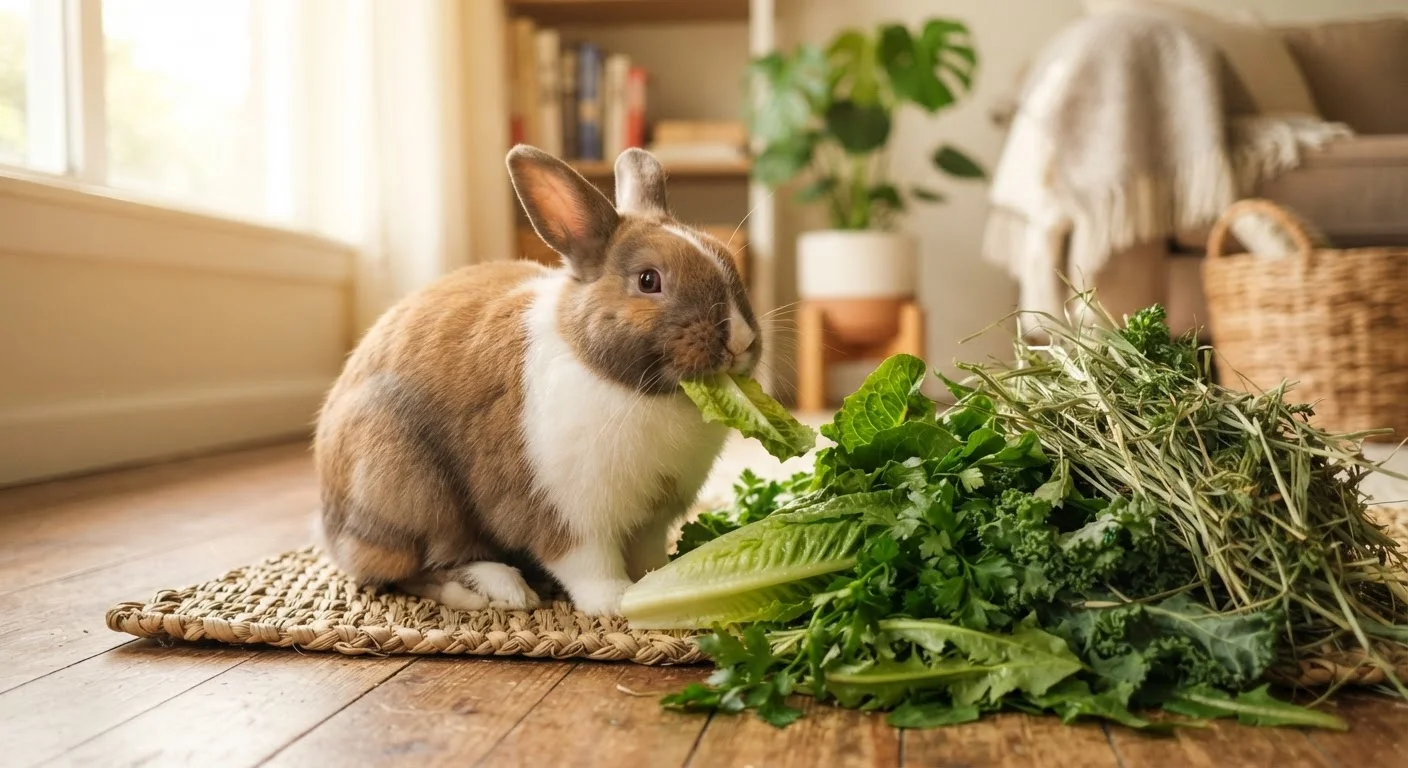
Photo credit: FaqBulletin.com | Information Made Easy
In this article
Do rabbits really thrive on carrots and iceberg lettuce? Separate widespread feeding myths from what actually keeps pet rabbits healthy.
Key Takeaways
- Timothy hay should make up roughly 80% of a rabbit's daily diet, not pellets or vegetables.
- Carrots are high in sugar and should only be offered as an occasional treat in small amounts.
- Iceberg lettuce contains almost no nutrition and can cause digestive problems in rabbits.
- Adult rabbits do not need or benefit from cow's milk or any dairy product.
- Many fruits and starchy vegetables are too high in sugar for regular rabbit consumption.
Why Rabbit Diet Myths Are So Persistent
Pop culture, product packaging, and well-meaning but outdated advice have shaped a surprisingly distorted picture of what rabbits should eat. Images of bunnies cheerfully munching carrots are everywhere — from children's books to garden-pest cartoons — yet veterinary nutritionists consistently point out that this image bears little resemblance to what a rabbit's digestive system actually needs.
The consequences of these myths go beyond minor nutritional gaps. Rabbits have a specialized gastrointestinal tract that is highly sensitive to dietary imbalance. Feeding the wrong foods can lead to obesity, gastrointestinal stasis (a potentially life-threatening slowdown of gut movement), and dental problems. Understanding what is actually true is one of the most important things a new owner can do. For a broader look at early ownership mistakes, see our guide for new rabbit owners.
Myth
Carrots are a rabbit's favorite food and a healthy dietary staple.
Fact
Carrots are high in sugar and should be offered only as an occasional small treat, not a regular part of the diet.
The carrot-and-rabbit association is almost entirely a cultural artifact. In the wild, rabbits rarely encounter root vegetables at all — their natural diet consists of grasses, hay, leafy plants, and bark. Carrots contain natural sugars that, fed regularly, can contribute to obesity and disrupted gut bacteria. A thumbnail-sized piece a few times a week is a reasonable treat; a daily carrot is not a sound nutritional choice.
Myth
Iceberg lettuce is a safe, hydrating vegetable for rabbits.
Fact
Iceberg lettuce offers almost no nutritional value and contains lactucarium, which can cause loose stools and digestive upset.
Iceberg lettuce is composed mostly of water and very little fiber or micronutrients. It also contains lactucarium — a milky fluid found in higher concentrations in light-colored lettuces — which can have a mild sedative effect and cause diarrhea in rabbits when consumed in quantity. Dark, leafy greens like romaine, green leaf lettuce, and kale (in moderation) are far better choices.
Myth
Rabbits need a bowl of pellets as their main meal every day.
Fact
For adult rabbits, pellets should be a small supplement to hay — not the dietary foundation.
Pellets were originally developed for the commercial meat rabbit industry, where rapid weight gain was the goal. For pet rabbits, unlimited pellets can lead to obesity, reduced hay consumption, and dental disease because pellets do not provide the long-strand fiber that keeps teeth worn and the gut moving. Most rabbit welfare organizations recommend limiting plain timothy pellets to a modest measured portion daily for adults, with hay available around the clock.
Myth
Fruit is a healthy, natural part of a rabbit's everyday diet.
Fact
Fruit is very high in sugar and should be limited to small occasional pieces, not offered daily.
While fruit is technically natural, the sugar content — including fructose — can disrupt the delicate bacterial balance of a rabbit's cecum (a fermentation chamber in the digestive tract) and encourage obesity. Apples without seeds, blueberries, and strawberries can be given in very small quantities as treats, but they should never be a daily food. Seeds and pits from fruits like apples and cherries can also be toxic and should always be removed.
Myth
Rabbits can drink milk, especially baby rabbits rescued without a mother.
Fact
Cow's milk and most dairy products are harmful to rabbits; orphaned kits require specialized kitten milk replacer under veterinary supervision.
Adult rabbits are lactose intolerant, and cow's milk can cause serious digestive distress. Orphaned baby rabbits (kits) are an especially fragile situation — feeding them the wrong formula can be fatal. If you encounter an orphaned kit, contact a wildlife rehabilitator or a rabbit-savvy veterinarian immediately rather than attempting to feed them improvised substitutes at home.
Building a Diet That Actually Supports Rabbit Health
Once the myths are cleared away, the framework for a healthy rabbit diet is straightforward. Unlimited grass hay — timothy, orchard grass, or meadow hay — should form the bulk of every rabbit's daily intake. Hay provides the long-strand fiber essential for keeping gut motility steady and wearing down continuously growing teeth. Fresh leafy greens such as romaine lettuce, cilantro, arugula, and leafy herbs can complement hay in moderate amounts. Pellets, if offered at all, should be plain, timothy-based, and limited to a small measured portion for adult rabbits.
Foods That Are Toxic to Rabbits
Several common household foods are genuinely dangerous for rabbits and should never be offered. These include onions, garlic, leeks, rhubarb, avocado, apple seeds, and any processed human food containing salt, sugar, or artificial ingredients. Chocolate and caffeine are also harmful. If you suspect your rabbit has eaten something toxic, contact a veterinarian promptly rather than waiting to see if symptoms develop.
Treats — including fruit, carrots, and starchy vegetables — should represent only a tiny fraction of the diet and are best given sparingly. Fresh water must always be available; contrary to another persistent myth, a water bottle alone is often insufficient compared to a wide, stable water crock that encourages adequate drinking. For a comprehensive breakdown of everything involved in keeping a rabbit healthy and happy, the complete rabbit care guide covers diet, housing, and health in full detail.
This article is for general informational purposes only and does not constitute veterinary advice. Always consult a licensed veterinarian for guidance specific to your rabbit's health and dietary needs.

Author
Pets Editorial Team
Pets Editorial Team is the collective byline for our editorial team and contributor network. Articles published under this byline or an editorial pen name are researched, written, and reviewed according to our editorial standards for clarity, consistency, and independence before publication.
View all articles →