
Container Gardening: Growing More in Less Space
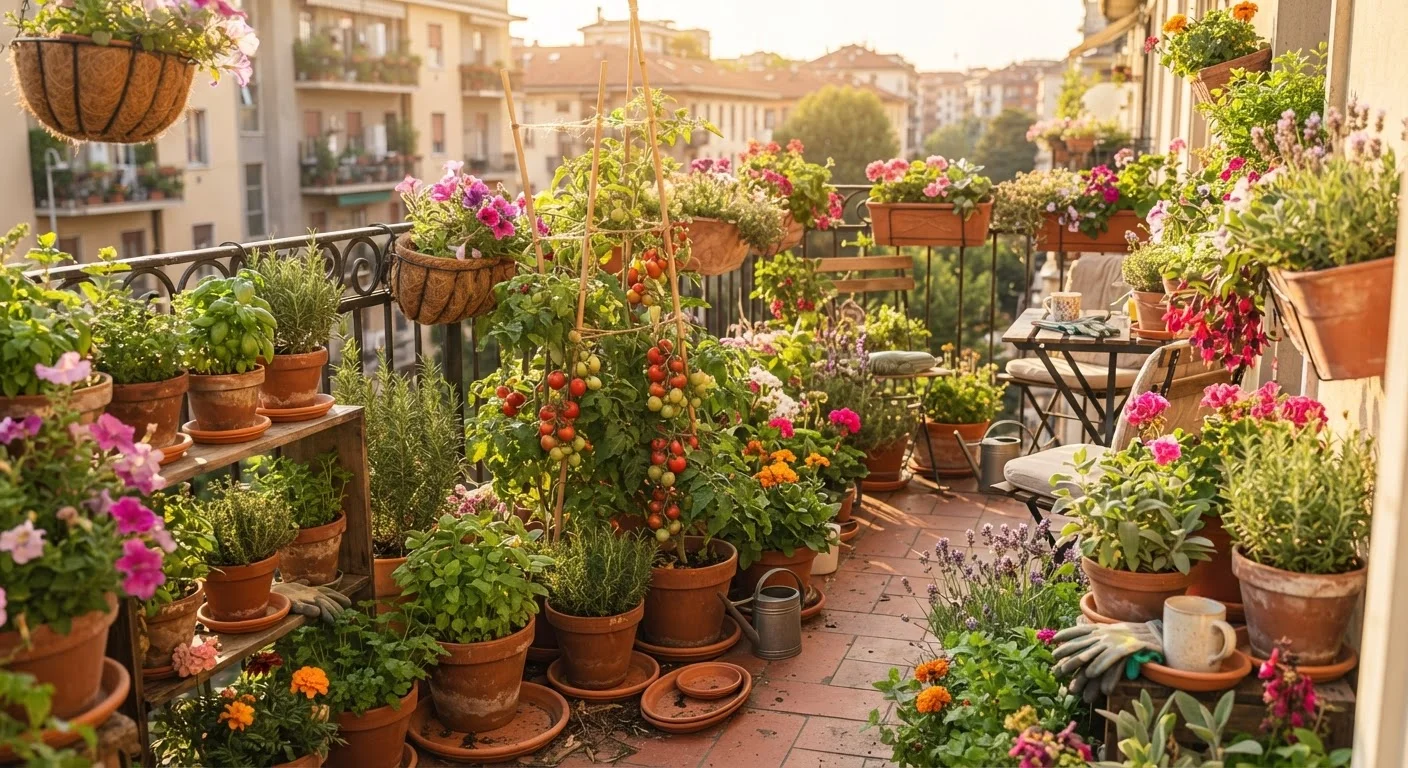
Photo credit: FaqBulletin.com | Information Made Easy
In this article
From patios to apartment balconies, learn how containers can support vegetables, herbs, and flowers with the right soil, drainage, and care.
Key Takeaways
- Containers can support vegetables, herbs, and flowers on any patio, balcony, or small yard.
- Good drainage and a quality potting mix are more important than container material or size alone.
- Container plants dry out faster than in-ground beds and need more frequent watering and feeding.
- Compact and dwarf plant varieties are bred to perform well in limited root space.
- Grouping containers strategically improves humidity, reduces watering frequency, and looks better.
Why Container Gardening Works for Any Space
Container gardening removes the single biggest barrier most households face: not enough ground. A concrete balcony, a narrow front stoop, or a rented apartment patio can all become productive growing spaces when plants live in pots, planters, or troughs rather than in the earth. This approach is also forgiving — if a plant gets too much afternoon sun, you move the pot. If a late frost threatens, you bring it inside.
Container growing is not just a compromise for people without a yard. It gives every gardener precise control over soil quality, drainage, and plant placement that in-ground beds simply cannot match. For households comparing their options, our guide on raised beds vs. in-ground planting lays out how these approaches differ in cost, maintenance, and soil control.
Choosing the Right Containers
The container you choose affects drainage, root temperature, weight, and water retention — all of which influence how plants perform.
- Terracotta: Breathable and classic, but heavy and prone to drying out quickly in heat. Best for herbs and plants that prefer drier conditions.
- Plastic and resin: Lightweight, inexpensive, and better at retaining moisture. A practical choice for balconies with weight limits or for gardeners who travel.
- Fabric grow bags: Excellent air pruning of roots prevents circling; they dry out quickly, so daily watering is often needed in summer.
- Wood planters: Good insulation and natural look, but untreated wood rots. Look for cedar or redwood, which resist decay naturally.
- Glazed ceramic: Attractive and moisture-retaining, but very heavy and can crack in freezing temperatures.
Size matters as much as material. Shallow-rooted herbs like basil and cilantro thrive in 6–8-inch pots, while tomatoes and peppers need containers at least 12–18 inches in diameter and depth. When in doubt, go larger — small pots restrict roots, dry out fast, and limit yield.
Every Container Must Have Drainage
A pot without drainage holes will collect standing water at its base, creating anaerobic conditions that suffocate roots and promote fungal rot. No amount of careful watering compensates for the absence of drainage. If a decorative pot you love lacks holes, use it as a cachepot — place a functional draining container inside it, and empty the outer pot after each watering.
Soil, Drainage, and Fertility
Never fill containers with garden soil dug from a bed. Dense garden soil compacts in pots, suffocates roots, and drains poorly. Instead, use a commercial potting mix formulated for containers — these are engineered to stay loose and drain freely even after repeated watering.
To understand what makes soil genuinely healthy at a structural level, see our article on soil health fundamentals. The principles apply even when you're working with bagged mixes.
Drainage is non-negotiable. Every container must have at least one drainage hole. Without it, water pools at the base, roots sit in anaerobic conditions, and plants decline quickly. Elevating pots slightly on feet or risers further improves airflow beneath the container.
To boost fertility and improve moisture retention, mix finished compost into your potting medium at a ratio of roughly one part compost to four parts mix. Our home composting guide walks through exactly how to produce that compost from kitchen scraps.
When mixing compost into container potting mix, let the blended mix sit in the pot for 48 hours before planting — this allows beneficial microbial activity to reestablish and gives you a chance to check how the mix drains after a test watering.
Freshly blended mixes can behave unpredictably; a short settling period reveals drainage issues before they affect your plants.
Place a layer of coarse horticultural grit or perlite at the very bottom of deep containers before adding potting mix — this creates a persistent drainage zone that prevents the bottom inch of soil from staying saturated.
Even well-draining potting mixes can develop a saturated zone at the base of tall pots due to perched water tables; this simple step counters that effect.
What to Grow: Vegetables, Herbs, and Flowers
Almost any plant can be grown in a container given the right pot size and conditions. That said, some categories are proven performers.
Vegetables
- Tomatoes: Choose compact or determinate varieties. A 5-gallon container is the minimum; larger is better.
- Lettuce and salad greens: Shallow-rooted and fast-maturing — ideal for window boxes and small planters.
- Peppers: Thrive in heat and do well in 12-inch pots.
- Radishes and beets: Good for deeper narrow planters; harvest in 30–60 days.
Herbs
Basil, parsley, chives, mint, and thyme are among the easiest container herbs. Note that mint spreads aggressively and should always be grown in its own pot to prevent it from overwhelming neighbors. Pairing herbs with compatible vegetables — a practice covered in our companion planting guide — can also benefit both plants.
Flowers
Marigolds, petunias, and nasturtiums add color while deterring some common pests. Nasturtiums are edible, drought-tolerant, and easy to grow from seed.
Watering, Feeding, and Ongoing Care
Container plants dry out significantly faster than in-ground plants because the limited soil volume heats up quickly and has no connection to groundwater. In warm weather, most containers need daily watering; small terracotta pots may need it twice a day. The simplest test: push a finger an inch into the soil — if it feels dry, water thoroughly until it drains from the bottom.
Nutrients wash out of containers every time you water. Unlike garden beds where soil microbes slowly release fertility, container plants depend on you to replenish nutrients regularly. A balanced slow-release granular fertilizer worked into the potting mix at planting provides a base; supplement with a diluted liquid fertilizer every two to three weeks during active growth.
Grouping containers together reduces moisture loss through evaporation, creates a more humid microclimate, and makes watering more efficient. It also tends to look more intentional and attractive than scattered pots.
Self-Watering Containers Save Time
Self-watering planters with built-in reservoirs can dramatically reduce the frequency of watering chores, especially useful for balcony gardeners who travel or work long hours. The reservoir delivers water from below via capillary action, keeping the root zone consistently moist without waterlogging the surface. They work particularly well for lettuce, peppers, and herbs.
Common Container Gardening Mistakes to Avoid
Even experienced gardeners encounter the same recurring problems in container setups. Recognizing these patterns in advance saves a season's worth of frustration.
- Overcrowding pots: Planting too many specimens in one container creates competition for water, nutrients, and light. Follow spacing guidance on seed packets or plant tags.
- Using undersized containers: Small pots stress plants, dry out hourly in summer, and limit root development. If a plant is struggling despite good watering, try upsizing the container.
- Ignoring sun requirements: A patio shaded for half the day will not support sun-loving tomatoes or peppers. Match plants to the actual light your space receives.
- Skipping drainage holes: This is the most common cause of container plant death. Drill additional holes if a pot you love doesn't have enough.
- Reusing old potting mix without amendment: After one season, potting mix compacts and loses structure. Refresh it by mixing in fresh compost or replacing entirely each year.
For readers dealing with ongoing plant underperformance, the deeper diagnostic work in our article on why vegetable gardens underperform addresses root causes that apply equally to containers.
Container gardening rewards consistency over complexity. Nail the basics — appropriate pot size, quality potting mix, reliable drainage, regular water and feed — and even the smallest outdoor space can produce a meaningful harvest or a season of beautiful blooms.

Author
Home & Garden Editorial Team
Home & Garden Editorial Team is the collective byline for our editorial team and contributor network. Articles published under this byline or an editorial pen name are researched, written, and reviewed according to our editorial standards for clarity, consistency, and independence before publication.
View all articles →