
Soil Health: The Foundation Every Backyard Garden Depends On
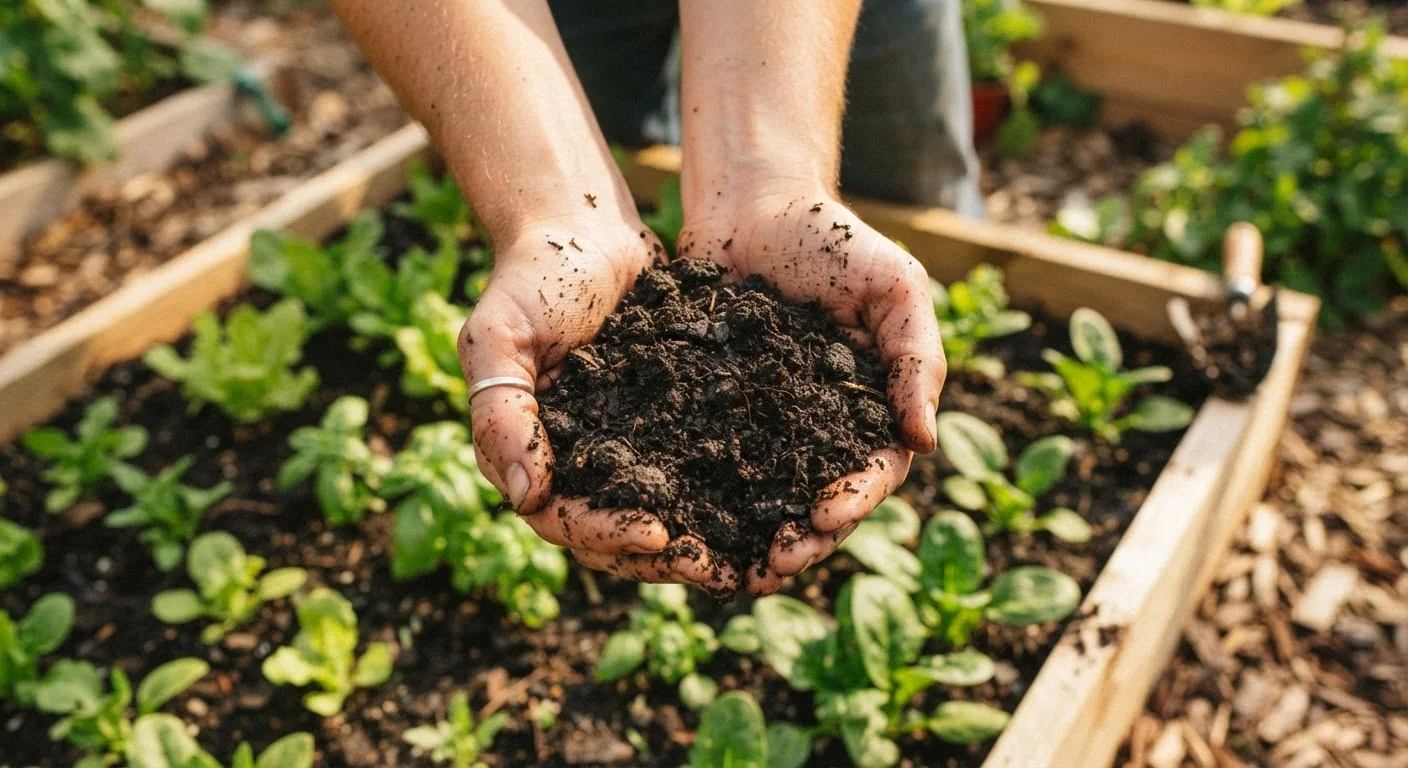
Photo credit: FaqBulletin.com | Information Made Easy
In this article
Learn what healthy garden soil looks like, how to test yours, and the practical steps that build long-term growing success.
Key Takeaways
- Healthy soil is a living system, not just a growing medium — biology matters as much as chemistry.
- A simple home soil test reveals pH and nutrient levels, guiding targeted improvements rather than guesswork.
- Organic matter is the single most impactful amendment most home gardens need.
- Compaction is one of the most common and damaging problems in backyard gardens.
- Consistent small habits — mulching, composting, minimal tilling — build soil health over seasons, not overnight.
What Makes Soil "Healthy"?
Think of garden soil as a community rather than a substance. Minerals and sand give it structure; organic matter — decomposed leaves, roots, and animal material — feeds the microbial life that drives nutrient cycling. Bacteria, fungi, protozoa, and earthworms are not incidental tenants; they are the engine that converts raw materials into the forms plants can actually absorb.
Three pillars define a healthy soil system:
- Physical: Good structure means soil is neither too dense nor too loose. It holds moisture without waterlogging and drains freely without drying out in hours. Crumbly, aggregated particles — what gardeners call "good tilth" — let roots penetrate and air circulate.
- Chemical: Soil pH (the scale of acidity to alkalinity) determines which nutrients become available to plants. Organic matter supplies essential elements and buffers pH swings.
- Biological: Microbial diversity breaks down organic material, suppresses some pathogens, and forms partnerships with plant roots that improve nutrient uptake.
When any pillar is out of balance, plants signal it — through yellowing leaves, stunted growth, or persistent disease. If your vegetables aren't performing as expected, the problem often starts below the surface. See our breakdown of why vegetable gardens underperform for a fuller picture.
~25%
Healthy soil volume made up of air and water
Soil scientists generally describe ideal garden soil as roughly 45% mineral particles, 5% organic matter, and 25% each of air and water pore space — a balance that supports both root respiration and moisture retention.
1 billion+
Microorganisms in a teaspoon of healthy soil
USDA Natural Resources Conservation Service estimates indicate that a single teaspoon of productive soil can contain more than one billion bacteria, plus fungi, protozoa, and nematodes that drive nutrient cycling.
6.0–7.0
Optimal pH range for most vegetables
University cooperative extension programs across the U.S. consistently cite this range as where the broadest range of vegetable crops access the widest spectrum of soil nutrients.
Testing Your Soil: Start With What You Know
Amending soil without testing first is like prescribing medicine without a diagnosis. A basic home soil test — available at most garden centers — measures pH and primary nutrients (nitrogen, phosphorus, potassium). For a more comprehensive analysis, including organic matter percentage and secondary nutrients, send a sample to your state's cooperative extension service. Results typically cost under $20 and come with region-specific recommendations.
To collect a representative sample:
- Use a clean trowel to take soil from 8–10 spots across the bed, digging 4–6 inches deep.
- Mix all samples together in a clean bucket and allow to air dry if wet.
- Follow the kit or lab instructions for the amount to submit.
Test every two to three years, or any time plants show persistent problems. pH below 6.0 often calls for lime to raise it; pH above 7.5 may need sulfur to lower it. Nutrient deficiencies are addressed with specific amendments rather than broad-spectrum fertilizers, which reduces cost and runoff.
Send Samples to Your Extension Office
Your state's cooperative extension service offers the most regionally accurate soil analysis available to home gardeners, often for a modest fee. Results come with amendment recommendations calibrated to your local soil types and growing conditions — far more useful than generic package instructions.
Building Soil Health Over Time
Soil improvement is a gradual process — most meaningful changes happen over multiple growing seasons rather than a single weekend. The good news is that consistent, simple habits compound powerfully.
Add Organic Matter Regularly
Compost is the most versatile amendment available to home gardeners. It improves drainage in clay soils, adds water-holding capacity to sandy soils, feeds soil microbes, and supplies a slow-release spectrum of nutrients. Aim for 1–2 inches worked into the top layer of beds each season. Our guide to composting at home walks through setting up a system from kitchen scraps and yard waste.
Mulch the Surface
A 2–3 inch layer of organic mulch — wood chips, straw, shredded leaves — moderates soil temperature, retains moisture, and slowly breaks down to feed soil organisms. It also suppresses weeds that compete with plants for nutrients. Learn more about matching mulch to your garden's needs in our mulching overview.
Minimize Compaction
Never walk on planting beds. Use permanent paths or stepping stones to direct foot traffic. Raised beds are a particularly effective way to eliminate compaction entirely, since you work from the sides and the soil is never compressed underfoot.
Reduce Aggressive Tilling
Repeated deep tilling breaks up fungal networks and exposes stored carbon to rapid oxidation. Surface scratching to incorporate amendments or break up crusting is generally sufficient once beds are established.
Frequently Asked Questions

Author
Home & Garden Editorial Team
Home & Garden Editorial Team is the collective byline for our editorial team and contributor network. Articles published under this byline or an editorial pen name are researched, written, and reviewed according to our editorial standards for clarity, consistency, and independence before publication.
View all articles →