
Mulching: What It Does, What to Use, and When to Apply It
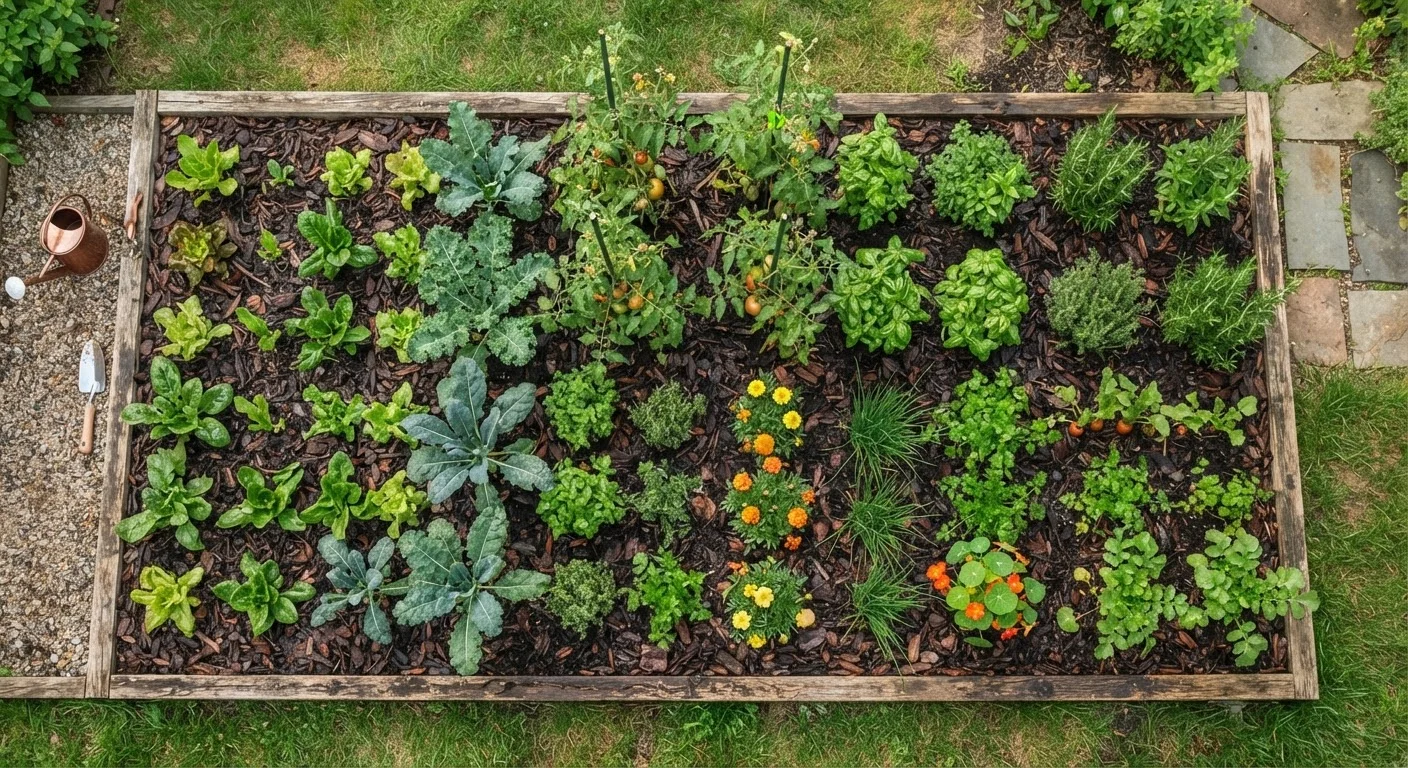
Photo credit: FaqBulletin.com | Information Made Easy
In this article
Understand how mulch regulates temperature, retains moisture, and suppresses weeds—plus guidance on matching mulch type to your garden's needs.
What Mulch Actually Does for Your Garden
Mulch is any material layered over the soil surface around plants. Its job sounds simple, but its effects are significant: it moderates soil temperature, slows water evaporation, blocks weed germination, and — depending on the type — gradually improves soil structure as it breaks down.
Bare soil is vulnerable soil. Without a protective cover, rain compacts the surface, sun bakes out moisture, and weed seeds find easy footing. A 2–3 inch mulch layer interrupts all three of those problems at once. It acts as insulation, keeping roots cooler in summer heat and warmer during early-season cold snaps. Research from university extension programs consistently shows that mulched beds can retain significantly more soil moisture than unmulched beds — reducing how often you need to water.
Mulch also feeds your soil over time. Organic varieties decompose slowly, adding organic matter that supports earthworms and beneficial microbes. This connects directly to the broader principle covered in our guide to soil health — healthy soil structure starts at the surface.
| Recommended depth | 2–3 inches for most organic mulches (University cooperative extension general guidance) |
| Clearance from stems/trunks | 3–6 inches minimum |
| Moisture retention benefit | Can reduce watering frequency significantly (Extension horticulture research, general consensus) |
| Organic mulch lifespan | 1–3 seasons before replenishment needed |
| Best time to apply (spring) | After soil warms, before summer heat |
| Best time to apply (fall) | After first hard frost |
Organic vs. Inorganic Mulch: Which to Choose
Mulch falls into two broad categories, and choosing between them depends on your goals.
Organic Mulches
These break down over one to three seasons, feeding the soil as they do. Common options include:
- Wood chips and shredded bark: Long-lasting, widely available, excellent for pathways and ornamental beds. Avoid piling directly against plant stems.
- Straw: Inexpensive and light; ideal for vegetable gardens and newly seeded areas. Not to be confused with hay, which carries weed seeds.
- Shredded leaves: A free resource from your own yard. Run them through a mower or shredder first so they don't mat and block water.
- Compost: The richest option nutritionally. Applied as mulch, it feeds plants while suppressing weeds. See our home composting guide for how to produce your own.
- Grass clippings: Effective but apply thinly (1 inch or less) to prevent matting and odor.
Inorganic Mulches
These don't decompose, so they require no annual replenishment but also add nothing to the soil.
- Gravel or river rock: Good for drainage-focused beds, slopes, and xeriscape designs. Can raise soil temperature in summer.
- Landscape fabric: Blocks weeds but degrades over several years and can impede water and oxygen if not properly installed. Generally more effective under gravel than used alone.
- Rubber mulch: Made from recycled tires; long-lasting and often used in playgrounds. Not recommended near edible plants.
Mulch and Fertilizer Work Differently
Mulch moderates the growing environment — it is not a substitute for fertilizer. Organic mulches do add small amounts of nutrients as they break down, but they work slowly and at low concentrations. If your soil tests low in specific nutrients, mulching alone won't correct the deficit. For a clear comparison of how to feed your soil, see our article on organic vs. synthetic fertilizers.
Timing, Depth, and Common Mistakes
When you mulch matters almost as much as what you use.
When to Apply
- Spring: Apply after the soil has warmed but before summer heat peaks. Mulching cold soil too early traps cold and delays planting.
- Fall: Apply after the first hard frost to insulate roots through winter and reduce freeze-thaw heaving.
- After planting: Mulch new transplants and seeds once they are established, not before — seedlings need sunlight to reach the surface.
How Deep to Go
The standard guidance is 2–3 inches for most organic mulches. Less than 2 inches provides limited weed suppression; more than 4 inches can suffocate roots and create conditions for fungal disease. Coarser materials like wood chips can go slightly deeper; fine materials like compost should stay at 1–2 inches to maintain airflow.
Mistakes to Avoid
- Volcano mulching: Piling mulch in a cone shape against a tree trunk traps moisture against the bark, inviting rot and pest damage. Keep mulch 3–6 inches away from trunks and stems.
- Skipping edging: Without a clear border, mulch migrates onto lawns and paths. Simple edging or a shallow trench keeps it in place.
- Forgetting to replenish: Organic mulch breaks down. Check depth each spring and top up as needed.
Mulching pairs naturally with other low-effort garden strategies. If you grow native plants, a consistent mulch layer reduces the supplemental watering they need during establishment. Similarly, if you use raised beds, organic mulch on pathways between beds keeps mud and weeds from encroaching on your growing area.

Author
Home & Garden Editorial Team
Home & Garden Editorial Team is the collective byline for our editorial team and contributor network. Articles published under this byline or an editorial pen name are researched, written, and reviewed according to our editorial standards for clarity, consistency, and independence before publication.
View all articles →