
Why Your Vegetable Garden Keeps Underperforming
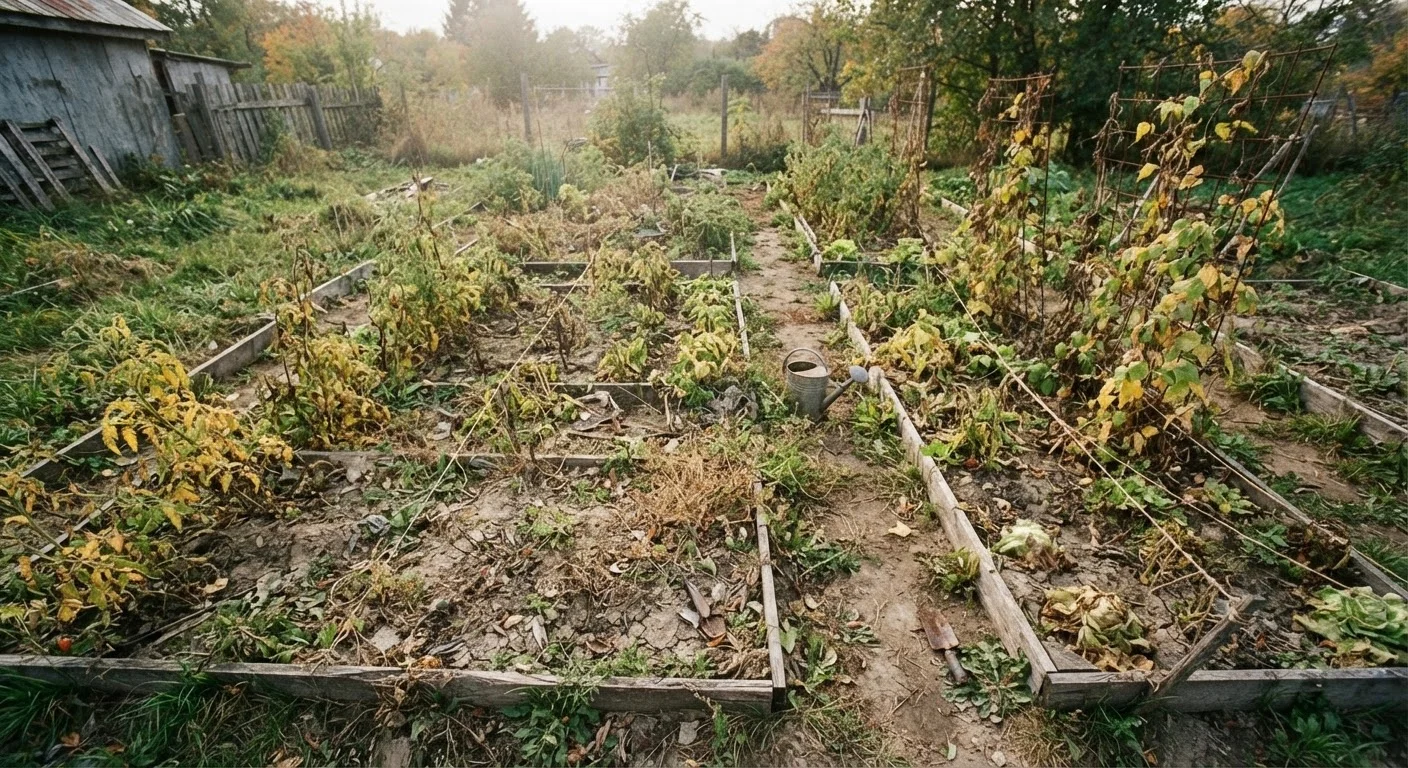
Photo credit: FaqBulletin.com | Information Made Easy
In this article
From poor soil pH to overcrowding, discover the real reasons backyard vegetable gardens struggle—and what actually fixes them.
Key Takeaways
- Soil pH outside the 6.0–7.0 range blocks nutrient uptake even in fertilized beds.
- Overcrowding is one of the most common—and fixable—reasons vegetables yield poorly.
- Inconsistent watering causes more root stress than most gardeners realize.
- Ignoring sunlight requirements guarantees disappointing harvests regardless of other efforts.
- Most vegetable garden problems have simple, low-cost solutions once correctly identified.
The Real Culprits Behind a Struggling Vegetable Garden
Most gardeners who experience disappointing harvests aren't making dramatic mistakes—they're making several small, compounding ones. Yellowing leaves, leggy plants, and low yields are symptoms, not the problem itself. The underlying causes tend to fall into a handful of recurring patterns that are entirely fixable once identified.
Understanding why these mistakes happen is as important as knowing what to do instead. For a comprehensive look at the foundation beneath all of this, soil health is the place to start—it affects every other variable in the garden.
Test Your Soil Before You Plant
Skipping a soil test is the single most common reason vegetable gardens underperform year after year. A basic test—available through most cooperative extension services—reveals pH, nutrient deficiencies, and organic matter levels. Without this baseline, amendments are guesswork. Test once before the season and adjust based on results, not assumptions.
Common Mistakes and How to Correct Them
The following errors account for the majority of underperforming vegetable gardens across all climates and garden sizes. Each one is correctable, and most require no specialized tools or major investment.
Planting in soil with the wrong pH for vegetables.
Why it happens: Many gardeners assume any soil labeled 'garden soil' is ready to grow in, without checking whether the pH is in the right range for vegetable crops.
Planting vegetables too close together, restricting airflow and root space.
Why it happens: Seed packets and transplant tags list spacing guidelines that often feel overly generous when you're eager to fill a bed or maximize a small plot.
Watering on an irregular or surface-only schedule that doesn't reach roots.
Why it happens: Daily light watering feels attentive and responsible, but it encourages roots to stay shallow and leaves plants vulnerable to heat and drought stress.
Siting the garden in a spot that receives fewer than six hours of direct sun daily.
Why it happens: Sunlight patterns shift through the season, and a spot that looks bright in spring may be heavily shaded by trees or structures during peak summer growing months.
Neglecting to rotate crops, allowing pest and disease pressure to accumulate.
Why it happens: Once a layout works, it's tempting to repeat it each season. Rotating feels complicated when space is limited.
If you're weighing whether your setup itself might be limiting performance, comparing raised beds to in-ground planting can help clarify which approach gives you the most control over soil conditions and drainage.
Don't Rely on Fertilizer to Fix Poor Soil Structure
Adding fertilizer to compacted or waterlogged soil doesn't solve the underlying drainage or aeration problem—it can actually cause nutrient runoff and salt buildup that makes things worse. Address soil structure first by incorporating compost or aged organic matter, then fertilize only once the physical conditions support healthy root development.
Building a Garden That Actually Produces
Fixing an underperforming garden rarely requires starting over—it requires diagnosing accurately and correcting one variable at a time. Start with a soil test, assess your sun exposure honestly, and review your watering habits before adding any new plants or inputs.
6.0–7.0
Ideal soil pH range for most vegetables
According to the University of Minnesota Extension, most vegetable crops absorb nutrients most efficiently within this pH range.
1–2 inches
Recommended weekly water for vegetable gardens
Most cooperative extension programs cite one to two inches of water per week as the general guideline for productive vegetable beds.
Gardeners working with limited space often find that refining technique yields more than expanding the footprint. If space is your real constraint, container gardening offers a practical alternative with more control over soil, drainage, and placement. And if you're closer to square one, starting a backyard garden from scratch lays out the planning steps that prevent most of these problems before they start.

Author
Home & Garden Editorial Team
Home & Garden Editorial Team is the collective byline for our editorial team and contributor network. Articles published under this byline or an editorial pen name are researched, written, and reviewed according to our editorial standards for clarity, consistency, and independence before publication.
View all articles →