
Starting a Backyard Garden from Scratch
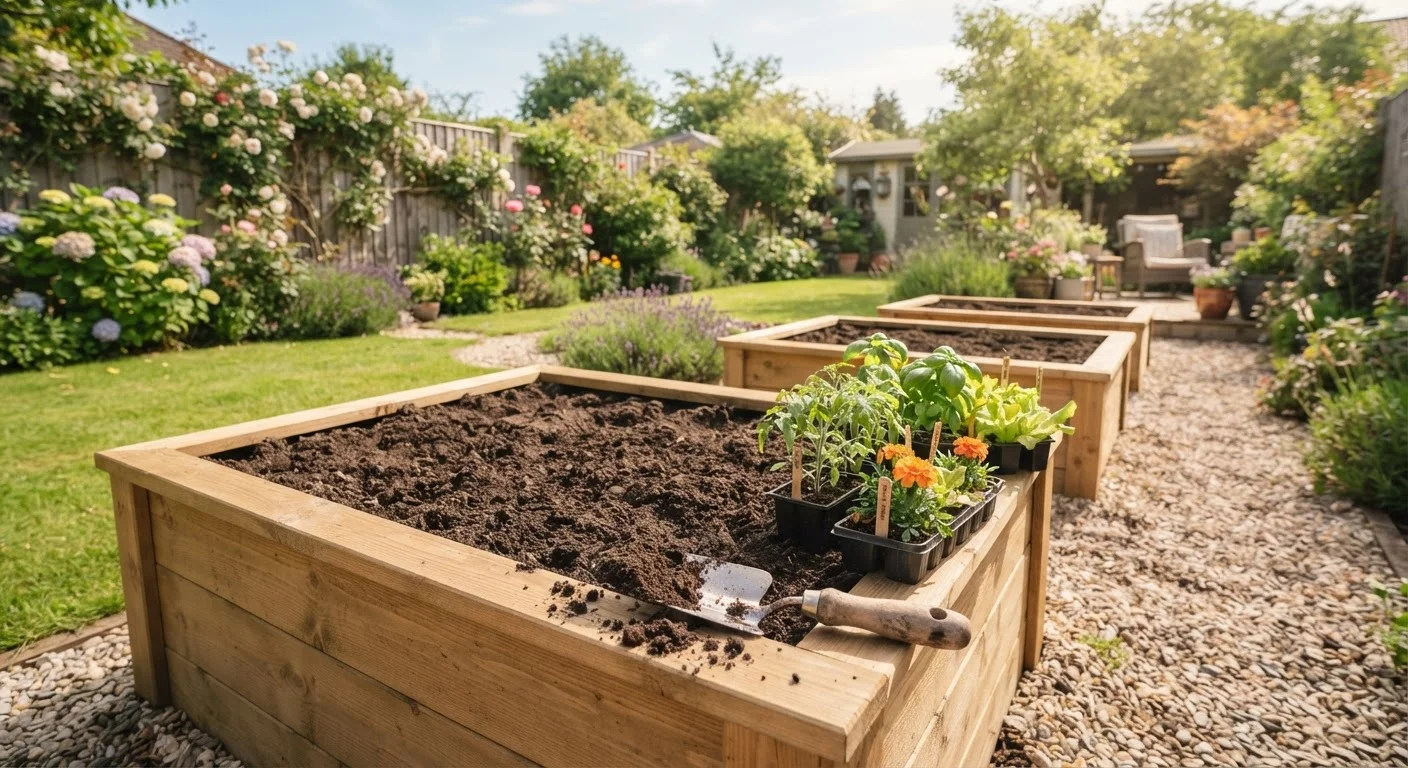
Photo credit: FaqBulletin.com | Information Made Easy
In this article
A complete introduction to planning, preparing, and planting your first backyard garden—covering layout, soil, watering, and plant selection.
Key Takeaways
- Six or more hours of direct sunlight per day is the minimum most vegetables and flowers need.
- Healthy, well-amended soil is the single biggest factor in whether a garden succeeds or struggles.
- Starting small — one or two beds — makes the learning curve manageable and the results more rewarding.
- Matching plant choices to your local climate and season prevents the most common beginner disappointments.
- Consistent watering and a layer of mulch dramatically reduce maintenance and improve plant health.
Choosing the Right Spot
Before you buy a single seed packet, walk your yard at several points during the day and observe how sunlight moves across it. Most vegetables and flowering plants need a minimum of six hours of direct sun daily — eight is better. Choose the sunniest, most open area available.
Proximity to a water source matters more than most beginners expect. Hauling a heavy hose across a large yard gets old fast; a spot within easy reach of an outdoor spigot removes a significant friction point. Also look for areas with good drainage — low spots that pool after rain are poor candidates for in-ground planting.
If space is genuinely limited, container gardening is a capable alternative that works on patios, decks, or even small lawn areas.
Test Before You Commit
Before finalizing your garden location, observe it over two or three full days at different times. Shade patterns shift with the season, and a spot that looks sunny in the morning may be heavily shaded by afternoon. A few days of observation saves months of frustration.
Planning Your Garden Layout
Resist the urge to go big in year one. A single 4×8-foot raised bed or a comparable in-ground plot gives you enough space to grow a meaningful harvest without overwhelming yourself. You can always expand in year two with the lessons you've learned.
Sketch your layout on paper before breaking ground. Group plants with similar water and sunlight needs together. Place taller plants — like tomatoes or pole beans — on the north side of the bed so they don't shade shorter neighbors. Leave at least 18 inches between rows if you're planting in ground, and check seed packets or plant tags for specific spacing requirements, which vary considerably by variety.
Think about pathways too. You need to be able to reach every part of the bed without stepping on the soil, which compacts it and hinders root growth. A maximum bed width of four feet lets most people reach the center from either side.
Preparing and Improving Your Soil
Soil quality is the variable that separates thriving gardens from struggling ones. Native backyard soil is often compacted, low in organic matter, or poorly draining — conditions that make growing anything difficult. Testing your soil before you plant tells you exactly what you're working with.
Basic soil test kits are available at garden centers and measure pH and key nutrient levels. Most vegetables prefer a pH between 6.0 and 7.0. Amendments like lime raise pH; sulfur lowers it. Adding several inches of compost and working it into the top eight to twelve inches of soil improves both drainage and nutrient availability regardless of your starting point.
Our detailed guide on building healthy garden soil covers testing, amendment, and long-term soil care in depth. If you want to make your own compost, turning kitchen scraps into garden gold is a practical place to start.
Raised Beds and Soil Control
If your native soil is extremely poor — heavy clay, rocky, or contaminated — raised beds filled with a purchased or custom-blended growing mix let you skip years of amendment work. A standard mix of topsoil, compost, and coarse perlite or vermiculite gives most plants an excellent starting environment. Costs vary widely depending on bed size and local material prices.
Selecting Plants That Will Actually Thrive
The single most reliable way to avoid beginner disappointment is to choose plants suited to your climate, season, and available light. Look up your USDA Hardiness Zone — it determines which perennials survive your winters and guides timing for annuals. Your local cooperative extension service publishes free, region-specific planting calendars.
For a first food garden, a short list works better than an ambitious one. Consider these reliable starters:
- Lettuce and salad greens — fast-maturing, tolerant of partial shade, ideal for spring and fall
- Bush beans — minimal fuss, no staking required, productive in warm weather
- Zucchini — prolific and forgiving; one or two plants is usually plenty
- Cherry tomatoes — more disease-resistant and faster-fruiting than large varieties
- Herbs (basil, chives, parsley) — useful, compact, and easy for beginners
If underperformance has been an issue in past attempts, this breakdown of common vegetable garden problems identifies what typically goes wrong and how to correct it.
Watering, Mulching, and Ongoing Care
New gardens need consistent moisture while plants establish roots. Water deeply two to three times a week rather than lightly every day — deep watering encourages roots to grow downward, making plants more resilient during dry spells. Morning watering is preferable because foliage dries before evening, which reduces disease risk.
Applying two to three inches of organic mulch — straw, shredded leaves, or wood chips — around your plants after planting delivers multiple benefits: it retains soil moisture, moderates soil temperature, and suppresses weeds. Fewer weeds means less competition for water and nutrients, and significantly less time spent pulling them.
Check plants weekly for signs of pest damage or disease, and remove affected leaves promptly before problems spread. Fertilizing with a balanced, slow-release fertilizer at planting time gives most gardens a solid nutritional foundation; follow label directions for quantities. Over-fertilizing with nitrogen produces lush foliage at the expense of fruit and flowers.
A backyard garden that starts small, is planned thoughtfully, and receives consistent basic care will reward you in its first season — and give you a strong foundation for expanding in seasons to come.
Frequently Asked Questions

Author
Home & Garden Editorial Team
Home & Garden Editorial Team is the collective byline for our editorial team and contributor network. Articles published under this byline or an editorial pen name are researched, written, and reviewed according to our editorial standards for clarity, consistency, and independence before publication.
View all articles →