
Indoor Cat, Outdoor Cat, or Both: Weighing the Real Trade-Offs
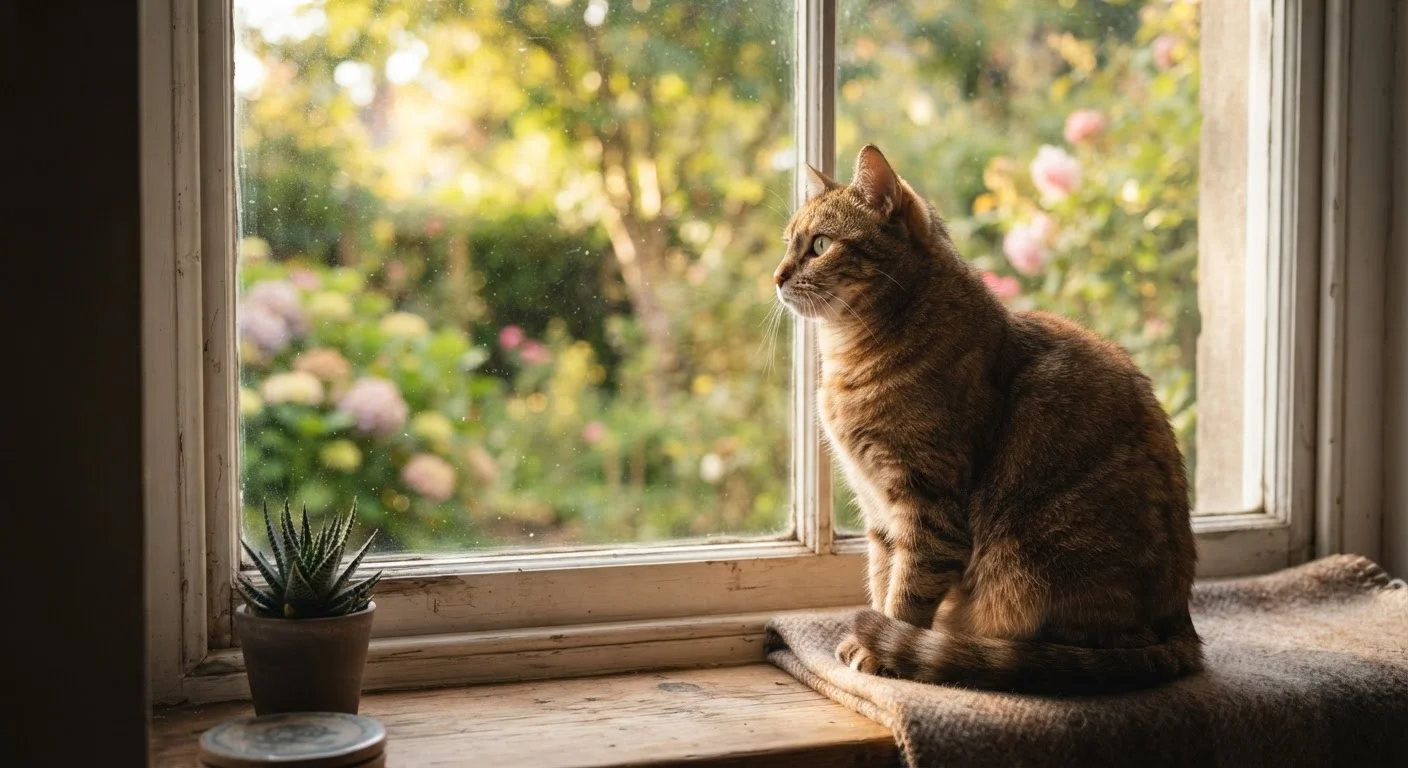
Photo credit: FaqBulletin.com | Information Made Easy
In this article
Explore the safety, health, and behavioral considerations of keeping cats indoors, outdoors, or somewhere in between.
Key Takeaways
- Indoor cats typically live significantly longer than cats with regular outdoor access.
- Outdoor access introduces real risks — traffic, predators, disease, and injury — that owners must weigh carefully.
- Indoor-only cats need consistent environmental enrichment to stay mentally and physically healthy.
- A supervised or controlled outdoor option, such as a catio, can offer a meaningful middle ground.
- Your cat's individual temperament, age, and history should guide the final decision.
Significantly longer average lifespan indoors
Indoor cats are estimated to live 12–18 years on average, compared to roughly 2–5 years for free-roaming outdoor cats, according to widely cited veterinary data. Removing exposure to traffic, predators, and toxins is the primary driver of this difference.
Reduced exposure to infectious disease
Cats kept indoors have far lower risk of contracting feline leukemia virus (FeLV), feline immunodeficiency virus (FIV), and upper respiratory infections spread through contact with other cats. This benefit is especially meaningful for cats that are already immunocompromised.
No risk from traffic, predators, or traps
Vehicle strikes are among the leading causes of sudden feline death. Indoor cats are also not exposed to coyotes, dogs, or pest-control traps — hazards that are common even in suburban neighborhoods.
Outdoor access satisfies natural predatory instincts
Cats are obligate hunters by biology. Time outdoors allows stalking, pouncing, and sensory engagement with real environmental stimuli that are difficult to fully replicate indoors.
Fresh air and varied terrain support physical fitness
Climbing, running across uneven ground, and navigating a changing environment can provide exercise loads that indoor-only spaces rarely match without deliberate enrichment investment.
Indoor cats are vulnerable to boredom and obesity
Without adequate stimulation, indoor cats frequently become sedentary, which contributes to weight gain and stress-related behaviors like overgrooming or aggression. Owners must actively compensate with structured play and environmental complexity.
Outdoor cats face serious injury and mortality risk
Studies consistently show outdoor cats sustain far more traumatic injuries and die younger than indoor counterparts. Even in seemingly quiet neighborhoods, roaming cats encounter unpredictable dangers.
Outdoor roaming poses a wildlife conservation concern
Free-roaming cats are documented predators of wild birds and small mammals. The American Bird Conservancy and similar organizations note this impact is ecologically significant, particularly in areas with sensitive species.
Indoor environments require active enrichment investment
A cat kept entirely indoors depends on its owner to provide climbing structures, puzzle feeders, interactive play, and window access. Failing to do so can result in behavioral and psychological problems over time.
Outdoor cats are harder to monitor for health changes
Cats that spend time outside may mask illness longer before owners notice, particularly because early symptoms like subtle signs of pain are easier to detect in a controlled indoor setting.
Understanding What's Actually at Stake
The indoor vs. outdoor debate for cats isn't simply a matter of preference — it involves meaningful trade-offs in safety, health, and behavioral wellbeing. The right choice depends on where you live, your cat's individual history and temperament, and how much environmental enrichment you can realistically provide.
Veterinary and animal welfare organizations generally recommend indoor living as the safer default, particularly in urban and suburban areas. But blanket rules rarely account for the full picture. A cat that has spent years roaming outdoors may experience genuine stress if suddenly confined, while a kitten raised indoors may have no instinct to navigate outdoor hazards safely. Understanding the real risks on both sides is the first step toward making an informed decision.
12–18 yrs
Average indoor cat lifespan
Veterinary organizations frequently cite this range compared to an estimated 2–5 years for free-roaming outdoor cats.
~1.3–4B
Birds killed annually by free-roaming cats (U.S.)
A widely referenced 2013 study published in Nature Communications estimated this range, making cats a leading human-associated cause of bird mortality.
~60%
U.S. cats kept primarily indoors
Surveys by the American Pet Products Association indicate the majority of owned cats in the U.S. live primarily or exclusively indoors.
The Case for Keeping Cats Indoors
Indoor living eliminates or dramatically reduces the most common causes of feline injury and premature death. Traffic, predator encounters, infectious disease spread by contact with other cats, and accidental poisoning from plants or chemicals — all of these risks drop significantly when a cat stays inside.
Significantly longer average lifespan indoors
Indoor cats are estimated to live 12–18 years on average, compared to roughly 2–5 years for free-roaming outdoor cats, according to widely cited veterinary data. Removing exposure to traffic, predators, and toxins is the primary driver of this difference.
Reduced exposure to infectious disease
Cats kept indoors have far lower risk of contracting feline leukemia virus (FeLV), feline immunodeficiency virus (FIV), and upper respiratory infections spread through contact with other cats. This benefit is especially meaningful for cats that are already immunocompromised.
No risk from traffic, predators, or traps
Vehicle strikes are among the leading causes of sudden feline death. Indoor cats are also not exposed to coyotes, dogs, or pest-control traps — hazards that are common even in suburban neighborhoods.
Outdoor access satisfies natural predatory instincts
Cats are obligate hunters by biology. Time outdoors allows stalking, pouncing, and sensory engagement with real environmental stimuli that are difficult to fully replicate indoors.
Fresh air and varied terrain support physical fitness
Climbing, running across uneven ground, and navigating a changing environment can provide exercise loads that indoor-only spaces rarely match without deliberate enrichment investment.
The longevity difference alone is striking. The gap between indoor and outdoor cat lifespans is one of the most consistent findings in feline health literature, and it reflects just how hazardous the outdoor environment is for a domestic animal that, despite hunting instincts, is also prey-sized relative to many outdoor threats.
For cats in the senior or immunocompromised category, the case for staying indoors is even stronger. As a cat's needs shift across life stages, vulnerability to disease and injury tends to increase — making environmental control increasingly important.
The Drawbacks of Full-Time Indoor Living
Keeping a cat entirely indoors doesn't come without its own challenges. The most significant is the responsibility it places on owners to actively create a stimulating, physically engaging environment. Without that effort, indoor cats are prone to boredom, weight gain, and stress-related behavioral problems.
Indoor cats are vulnerable to boredom and obesity
Without adequate stimulation, indoor cats frequently become sedentary, which contributes to weight gain and stress-related behaviors like overgrooming or aggression. Owners must actively compensate with structured play and environmental complexity.
Outdoor cats face serious injury and mortality risk
Studies consistently show outdoor cats sustain far more traumatic injuries and die younger than indoor counterparts. Even in seemingly quiet neighborhoods, roaming cats encounter unpredictable dangers.
Outdoor roaming poses a wildlife conservation concern
Free-roaming cats are documented predators of wild birds and small mammals. The American Bird Conservancy and similar organizations note this impact is ecologically significant, particularly in areas with sensitive species.
Indoor environments require active enrichment investment
A cat kept entirely indoors depends on its owner to provide climbing structures, puzzle feeders, interactive play, and window access. Failing to do so can result in behavioral and psychological problems over time.
Outdoor cats are harder to monitor for health changes
Cats that spend time outside may mask illness longer before owners notice, particularly because early symptoms like subtle signs of pain are easier to detect in a controlled indoor setting.
Owners who choose indoor-only living should invest seriously in vertical space, interactive toys, window perches, and structured daily play. Our guide on setting up a cat-friendly home covers the practical steps in detail. Additionally, enrichment activities designed around hunting instincts can go a long way toward meeting behavioral needs that a small apartment cannot naturally provide.
The Middle Ground: Supervised and Controlled Outdoor Access
For owners who want to offer outdoor experience without the full risk profile of free roaming, several structured options have become more practical and popular in recent years.
The 'Catio' and Supervised Outdoor Options
A catio — an enclosed outdoor enclosure attached to a home or freestanding in a yard — allows cats to experience fresh air, sunlight, and sensory stimulation without free-roaming risk. Leash training is another option some cats adapt to well, particularly when introduced gradually from kittenhood. These middle-ground approaches are increasingly recommended by veterinary behaviorists as a way to balance enrichment and safety.
Supervised outdoor time — whether in a catio, on a leash, or in a securely fenced yard — can meaningfully improve a cat's quality of life while keeping major hazards at bay. This approach is not without effort; enclosures require setup and maintenance, and leash training takes patience. But for many households, it represents a workable compromise.
It's worth noting that the middle-ground option also addresses the ecological concern: cats that cannot roam freely cannot hunt wildlife at scale. For owners who care about local bird populations alongside their cat's wellbeing, controlled outdoor access resolves a genuine conflict.
Whatever lifestyle you choose, routine veterinary care remains essential. Cats — indoor or out — are skilled at concealing discomfort, and regular checkups are often the best way to catch health changes early. For a deeper look at this tendency, see our piece on why cats hide pain so effectively.
This article is for general informational purposes only and is not a substitute for professional veterinary advice. Always consult a licensed veterinarian for guidance specific to your cat's health and circumstances.

Author
Pets Editorial Team
Pets Editorial Team is the collective byline for our editorial team and contributor network. Articles published under this byline or an editorial pen name are researched, written, and reviewed according to our editorial standards for clarity, consistency, and independence before publication.
View all articles →