
Seasonal Garden Tasks: A Year-Round Outdoor Maintenance Checklist
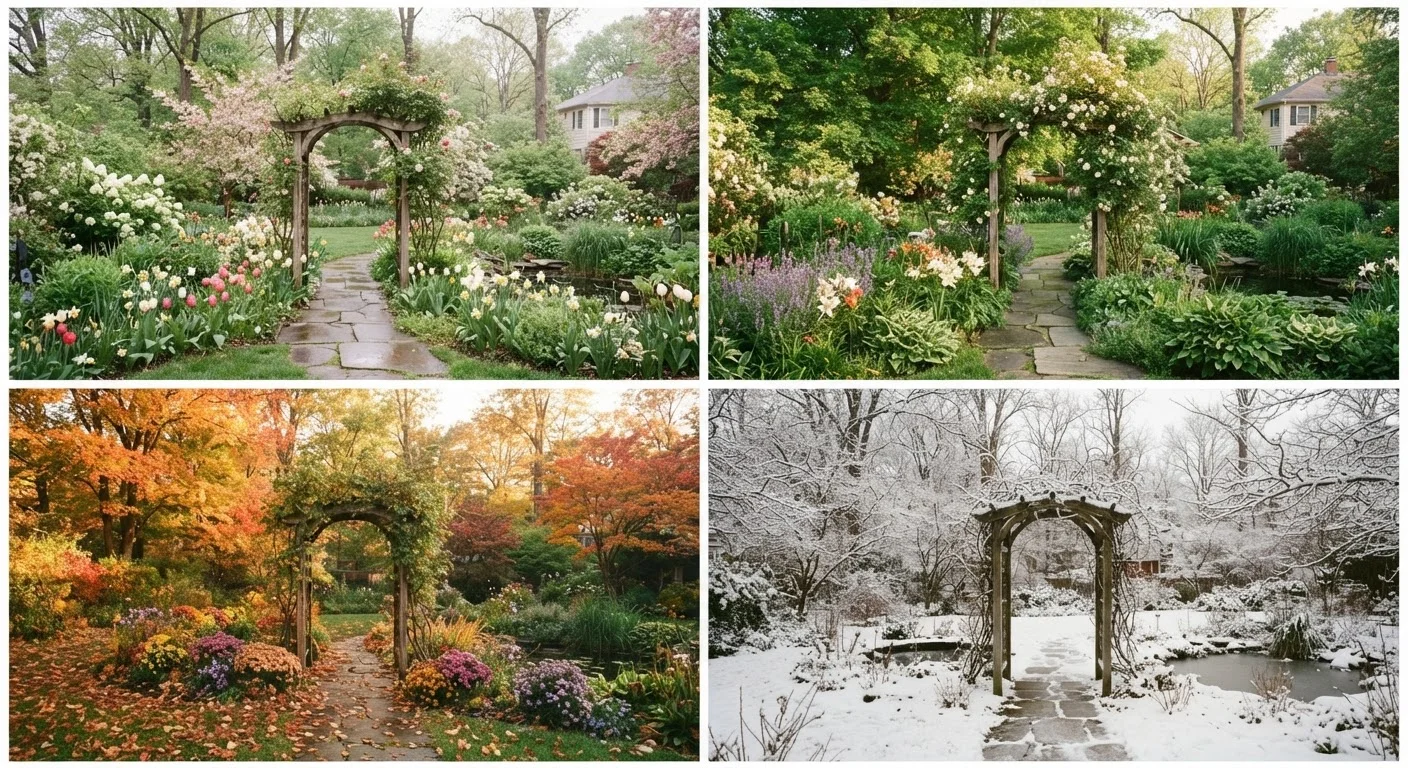
Photo credit: FaqBulletin.com | Information Made Easy
In this article
A practical season-by-season checklist covering planting, pruning, fertilizing, and winterizing to keep your outdoor spaces healthy all year.
Key Takeaways
- Seasonal timing is the single biggest factor in whether garden tasks actually work.
- Soil health — through composting and testing — underlies nearly every other garden success.
- Pruning at the wrong time of year can harm plants as much as skipping it entirely.
- Winterizing tools and beds in fall saves significant time and money come spring.
- Native plants significantly reduce the workload across all four seasons.
Why a Seasonal Approach Makes All the Difference
Gardening isn't a single-season hobby — it's a living system that shifts with the calendar. Tasks done at the wrong time, even with good intentions, can stress plants, waste resources, or simply fail. A structured, season-by-season checklist removes the guesswork and replaces it with a reliable rhythm your landscape will reward.
This checklist covers the outdoor spaces most American households manage: ornamental beds, vegetable gardens, lawns, trees, shrubs, and hardscapes. For deeper guidance on lawn-specific care, see our proven seasonal lawn care practices. And if you're thinking about simplifying long-term, native plant landscaping is worth exploring.
Spring Tasks (March–May)
Summer Tasks (June–August)
Fall Tasks (September–November)
Winter Tasks (December–February)
Tools and Supplies You'll Want on Hand
Having the right tools before each season begins prevents mid-task interruptions and protects your plants from delays. Review this list at the start of each quarter and restock accordingly.
Soil Test Kit or Lab Service
Used each spring to determine pH and nutrient deficiencies before amending beds or applying fertilizer.
Bypass Pruners
Essential for clean cuts on stems up to ¾ inch thick across spring pruning and summer deadheading tasks.
Garden Fork and Spade
Used for turning compost, dividing perennials, and working amendments into soil in spring and fall.
Drip Irrigation or Soaker Hose
Delivers consistent, deep watering to roots during summer while reducing surface evaporation and fungal risk.
Compost Bin or Tumbler
Converts garden and kitchen waste into rich organic matter for use as a soil amendment throughout the year.
Bulb Planter
Speeds up fall bulb planting and ensures consistent planting depth for reliable spring blooms.
Garden Journal or Notebook
Tracks planting dates, pest problems, successes, and failures so you can refine your plan each year.
Seasonal Storage and Home Maintenance Connections
Garden tasks don't exist in isolation — they connect directly to how you manage your home overall. Putting away summer furniture, cycling out hoses, and storing garden chemicals safely all intersect with broader household organization. Our guide on managing seasonal storage rotation pairs naturally with your fall garden wind-down. Likewise, many of the outdoor winterizing steps here complement the home maintenance tasks most owners forget until something breaks.
Don't Skip Frost Date Research
Every task in this checklist hinges on your local first and last frost dates, which vary significantly by region and even by neighborhood. Using national averages without checking your USDA Hardiness Zone and local extension service data can lead to lost transplants, failed seeds, and damaged perennials. Your state's cooperative extension service publishes free, localized planting calendars — consult them before finalizing your seasonal schedule.
Use this checklist as a living document. Note which tasks your specific climate shifts earlier or later — a gardener in Georgia will start spring prep weeks ahead of someone in Minnesota. Adjust accordingly, and keep your notes from year to year to build a personalized seasonal map.
Hazardous Pruning and Tree Work
Never attempt to prune large limbs, remove trees, or work near power lines yourself. This type of work carries serious risk of injury and should always be performed by a licensed, insured arborist. Even seemingly manageable tasks — like removing a heavy branch overhead — can cause unpredictable falls. When in doubt, call a professional.

Author
Home & Garden Editorial Team
Home & Garden Editorial Team is the collective byline for our editorial team and contributor network. Articles published under this byline or an editorial pen name are researched, written, and reviewed according to our editorial standards for clarity, consistency, and independence before publication.
View all articles →