
Lawn Care Without the Guesswork: Proven Seasonal Practices
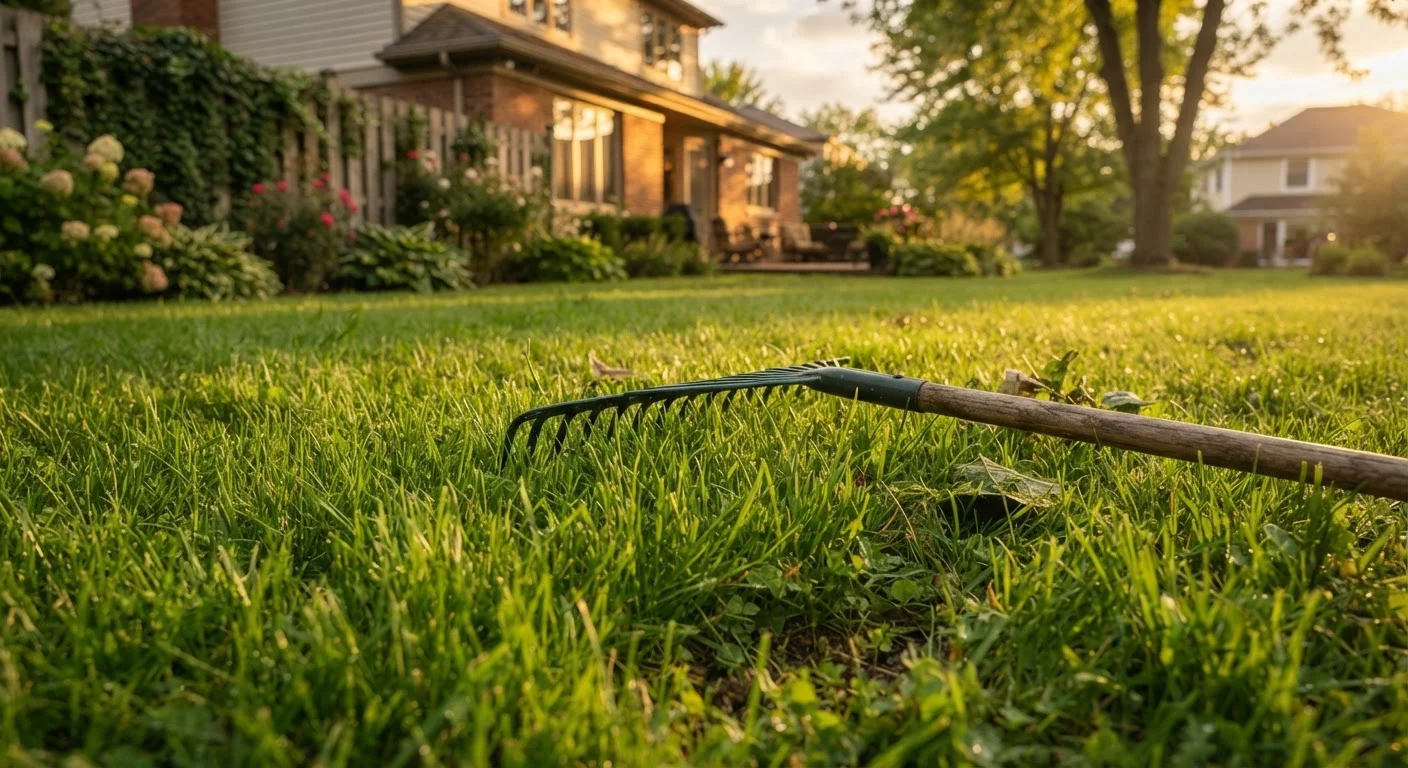
Photo credit: FaqBulletin.com | Information Made Easy
In this article
Aerating, overseeding, fertilizing on the right schedule—structured guidance on what healthy lawn maintenance actually requires across the seasons.
Key Takeaways
- Timing matters more than effort — applying the right treatment in the wrong season wastes time and money.
- Aeration relieves soil compaction and is most effective in fall for cool-season grasses, spring for warm-season types.
- Overseeding thin patches works best when soil temperatures support germination, typically 50–65°F for cool-season grass.
- Fertilizing on a schedule tied to grass type prevents nutrient runoff and builds lasting lawn health.
- Consistent mowing height — never removing more than one-third of the blade — reduces stress and crowds out weeds.
Why Seasonal Timing Is Everything
Most lawn problems — thin patches, persistent weeds, yellowing turf — trace back not to neglect but to mistimed effort. Fertilizing in midsummer heat, aerating at the wrong growth stage, or overwatering in cool, wet spring weather all create more problems than they solve. A healthy lawn follows a rhythm tied to grass type, local climate, and soil condition.
The first step is knowing your grass. Cool-season grasses (Kentucky bluegrass, tall fescue, perennial ryegrass) thrive in spring and fall and go semi-dormant in summer heat. Warm-season grasses (Bermuda, Zoysia, St. Augustine) peak in summer and go dormant in winter. Every timing recommendation below branches from this distinction. For a deeper look at what's happening beneath the surface, see our guide on soil health fundamentals — healthy turf starts underground.
The Core Seasonal Practices
Structured maintenance across the calendar year prevents the scramble of reactive fixes. Here are the proven practices that consistently produce healthy lawns.
Aerate compacted soil during your grass's active growing season.
Compacted soil blocks water, oxygen, and nutrients from reaching grass roots. Core aeration — removing small plugs of soil — relieves this pressure and improves root depth. Done at the wrong time, it stresses dormant grass and wastes effort.
Overseed thin or bare areas when soil temperature is in the germination-friendly range.
Seed that hits cold or heat-stressed soil simply won't establish. Soil thermometers are inexpensive and remove the guesswork. For cool-season grasses, 50–65°F soil temperature is the reliable window; for warm-season types, wait for consistent 65–70°F soil readings.
Fertilize on a schedule matched to your grass type and soil test results.
Applying nitrogen when grass can't actively use it leads to runoff, thatch buildup, and sometimes burn. A basic soil test — available through many county extension offices — tells you what's actually deficient rather than forcing you to guess.
Set your mower to the correct height and keep blades sharp throughout the season.
Mowing height directly affects root depth, drought resistance, and weed competition. Dull blades shred grass tissue rather than cutting cleanly, creating entry points for fungal disease and leaving a brownish cast on the turf.
Apply pre-emergent herbicide before soil temperature triggers weed-seed germination.
Pre-emergent products create a barrier that prevents weed seeds from establishing — but only if applied before germination begins. Most crabgrass, for example, germinates when soil temperatures reach 55°F at a 2-inch depth, which typically arrives earlier than homeowners expect.
Winterize cool-season lawns with a late-fall fertilizer application.
A winterizer application — typically high in potassium — strengthens grass cell walls before dormancy, supporting root storage of carbohydrates that fuel spring green-up. This is distinct from fall nitrogen feeding and should occur after the last significant mowing of the season.
For a broader look at what else needs attention outside across the year, the year-round outdoor maintenance checklist pairs well with this lawn-specific schedule.
Quick Wins You Can Start This Week
You don't need to overhaul your entire lawn routine at once. A few targeted actions deliver outsized results quickly — especially if your lawn has been operating on guesswork until now.
Watering, Mowing, and the Details That Compound
Beyond the big seasonal tasks, two everyday habits shape lawn health more than almost anything else.
Mowing Right
Mow at the highest recommended height for your grass type and never cut more than one-third of the blade at once. Cutting too short — called scalping — stresses grass, exposes soil to sun, and opens space for weeds. Keep mower blades sharp; a torn cut invites disease.
Watering Deeply, Not Daily
Most established lawns need about one inch of water per week, including rainfall. Shallow, frequent watering encourages shallow roots. Water deeply two or three times per week in the early morning to reduce evaporation and fungal risk. If you're unsure whether your irrigation approach is working against you, our article on common watering myths is worth reading before your next cycle.
One Inch Per Week Is a Starting Point
The "one inch per week" watering guideline is a useful baseline, not a universal rule. Sandy soils drain faster and may need slightly more frequent watering; clay soils retain moisture longer and can go longer between cycles. Measure actual rainfall with a simple rain gauge before running your irrigation system — you may find nature already did the job.
Thinking about upgrading your irrigation setup? A comparison of drip versus sprinkler systems can help you match delivery method to your lawn's actual needs.

Author
Home & Garden Editorial Team
Home & Garden Editorial Team is the collective byline for our editorial team and contributor network. Articles published under this byline or an editorial pen name are researched, written, and reviewed according to our editorial standards for clarity, consistency, and independence before publication.
View all articles →