
Garden Watering Myths That Are Quietly Killing Your Plants
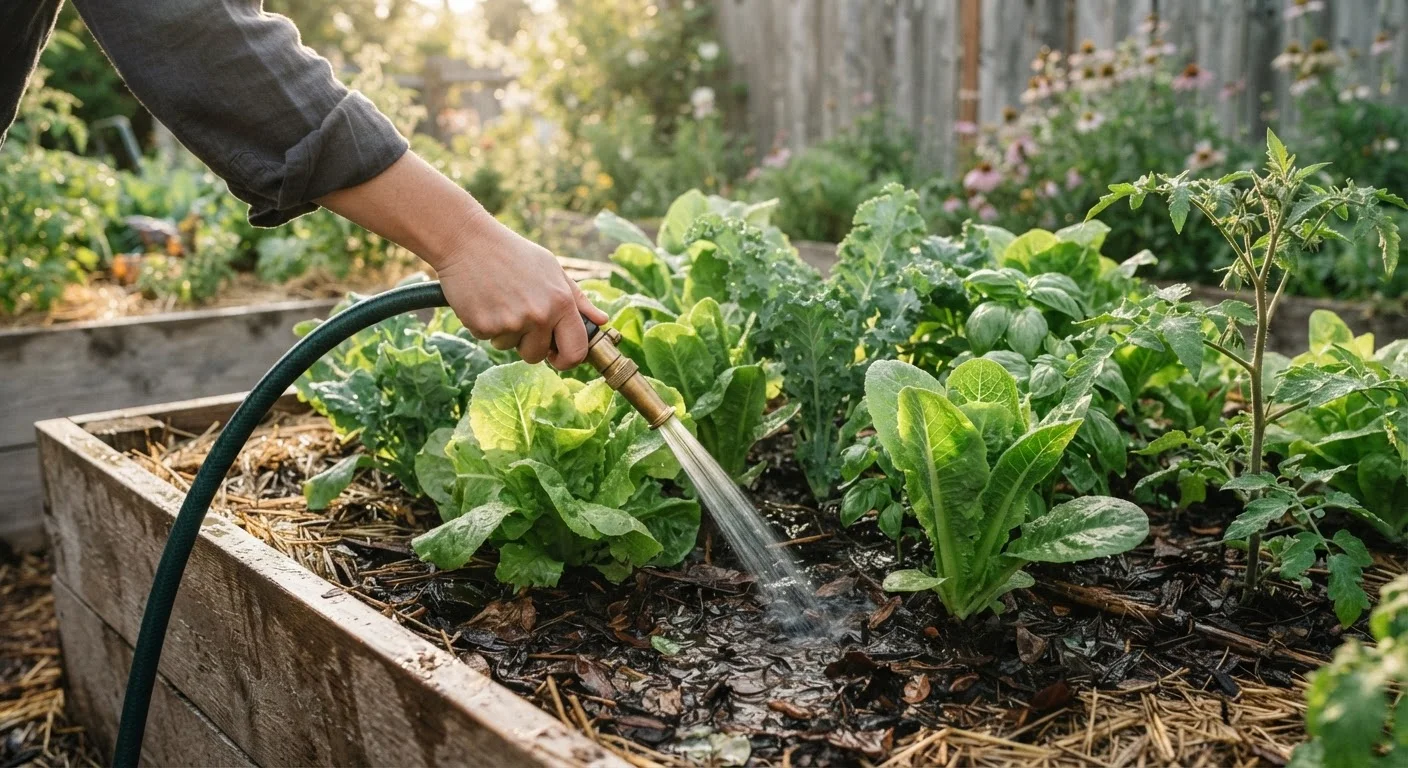
Photo credit: FaqBulletin.com | Information Made Easy
Watering every day sounds responsible—but it may be one of the worst things for your garden. Unpack common myths with the facts behind them.
Key Takeaways
- Daily watering often does more harm than good by starving roots of oxygen.
- Wet foliage at night invites fungal disease — timing your watering matters.
- The finger-test, not a fixed schedule, is the most reliable watering guide.
- Wilting doesn't always mean thirst; overwatering causes the same symptom.
- Deep, infrequent watering builds stronger root systems than shallow daily sessions.
Why Watering Myths Are So Persistent
Watering feels intuitive — plants are living things, water sustains life, so more water should mean more health. That logic is exactly what makes these myths so sticky. Most gardening habits are passed down through word of mouth rather than soil science, and by the time you notice something is wrong, the damage is already weeks in the making.
The good news: understanding how soil, roots, and moisture actually interact puts you firmly in control. The myths below are among the most common ones quietly undermining home gardens across the country. Each one has a clear, evidence-based correction you can put to use today.
Myth
Plants need to be watered every single day to stay healthy.
Fact
Most garden plants do best with deep, infrequent watering — typically two to three times per week, depending on soil type, weather, and plant variety.
Daily light watering keeps only the top inch of soil moist, which encourages roots to stay shallow and makes plants more vulnerable to heat and drought stress. Deep watering — soaking the soil to a depth of 6–8 inches — trains roots to grow downward, where moisture is more stable. Check soil moisture with your finger or a simple moisture meter before watering again.
Myth
Wilting always means your plant is thirsty and needs water immediately.
Fact
Wilting is a stress response that can indicate both underwatering and overwatering — soggy, oxygen-deprived roots cause the same drooping appearance as drought stress.
When roots sit in waterlogged soil, they lose the ability to transport moisture upward, so the plant wilts even though the soil is wet. Before watering a wilted plant, feel the soil several inches down. If it's moist or cool to the touch, hold off and allow it to dry slightly. Consistently misreading wilt as thirst is a fast track to root rot.
Myth
Watering in the afternoon sun will scorch leaves through a magnifying-glass effect.
Fact
Water droplets on leaves do not focus sunlight strongly enough to burn plant tissue under normal outdoor conditions.
This long-standing belief has been largely unsupported by controlled research on outdoor garden settings. The real problem with midday watering is evaporation loss — water disappears into the air before roots can absorb it, making irrigation far less efficient. Morning watering remains the best practice, but not because of leaf scorch: it simply allows foliage to dry and maximizes soil absorption before heat peaks.
Myth
More water always means faster, bigger growth.
Fact
Excess water flushes nutrients from the soil, compacts soil structure, and promotes root diseases that slow or stop growth entirely.
Plants take up nutrients dissolved in water through osmosis. When soil is constantly saturated, nutrients leach below the root zone before they can be absorbed. Waterlogged soil also compacts more easily, reducing the air pockets roots need to function. If your vegetable garden isn't performing as expected, irregular or excessive watering is frequently part of the problem — see our guide to why vegetable gardens underperform for a fuller picture.
Myth
Sprinklers are just as water-efficient as any other method.
Fact
Overhead sprinklers can lose 30–50% of water to evaporation and runoff; drip irrigation delivers water directly to the root zone with significantly less waste.
Sprinkler systems wet foliage, walkways, and soil surfaces well beyond the root zone, and much of that water never benefits the plant. Drip systems and soaker hoses deliver slow, targeted moisture directly where roots need it. For gardens where water efficiency is a priority, comparing drip irrigation and sprinkler systems side-by-side can help you choose the right approach for your setup.
Putting Better Watering Habits Into Practice
Correcting your watering approach doesn't require expensive equipment. Start with the two-inch finger test: push a finger into the soil near the plant's root zone. If the soil feels moist, wait. If it's dry at that depth, water thoroughly until moisture reaches 6–8 inches down, then let the soil partially dry before watering again.
Evening Watering Raises Disease Risk
Watering late in the day leaves foliage wet overnight, creating the humid conditions that fungal diseases like powdery mildew and botrytis thrive in. Aim to water in the early morning so leaves dry quickly in the sun and roots absorb moisture before afternoon heat peaks.
Morning watering — ideally between 6 and 10 a.m. — is the single most impactful timing adjustment most gardeners can make. It reduces disease pressure, cuts evaporation loss, and aligns with the plant's natural uptake cycle. For gardens with many different plant types, grouping plants by water needs (a practice sometimes called hydrozoning) dramatically simplifies the whole process.
Overwatering Is the #1 Plant Killer
More houseplants and garden plants die from overwatering than from drought. Saturated soil cuts off oxygen to roots, triggering root rot that looks identical to underwatering stress. Before you reach for the hose, check the soil at least two inches deep — if it's still moist, wait.
If you're working toward a lower-maintenance outdoor space overall, native plant landscaping is worth exploring — regionally adapted species are naturally suited to local rainfall patterns and typically require far less supplemental watering than non-native varieties.
This article provides general gardening guidance for educational purposes. Results will vary based on local climate, soil conditions, and plant variety. Always consult local cooperative extension resources for region-specific recommendations.

Author
Home & Garden Editorial Team
Home & Garden Editorial Team is the collective byline for our editorial team and contributor network. Articles published under this byline or an editorial pen name are researched, written, and reviewed according to our editorial standards for clarity, consistency, and independence before publication.
View all articles →