
Outdoor Activity Ideas That Double as Family Bonding Time
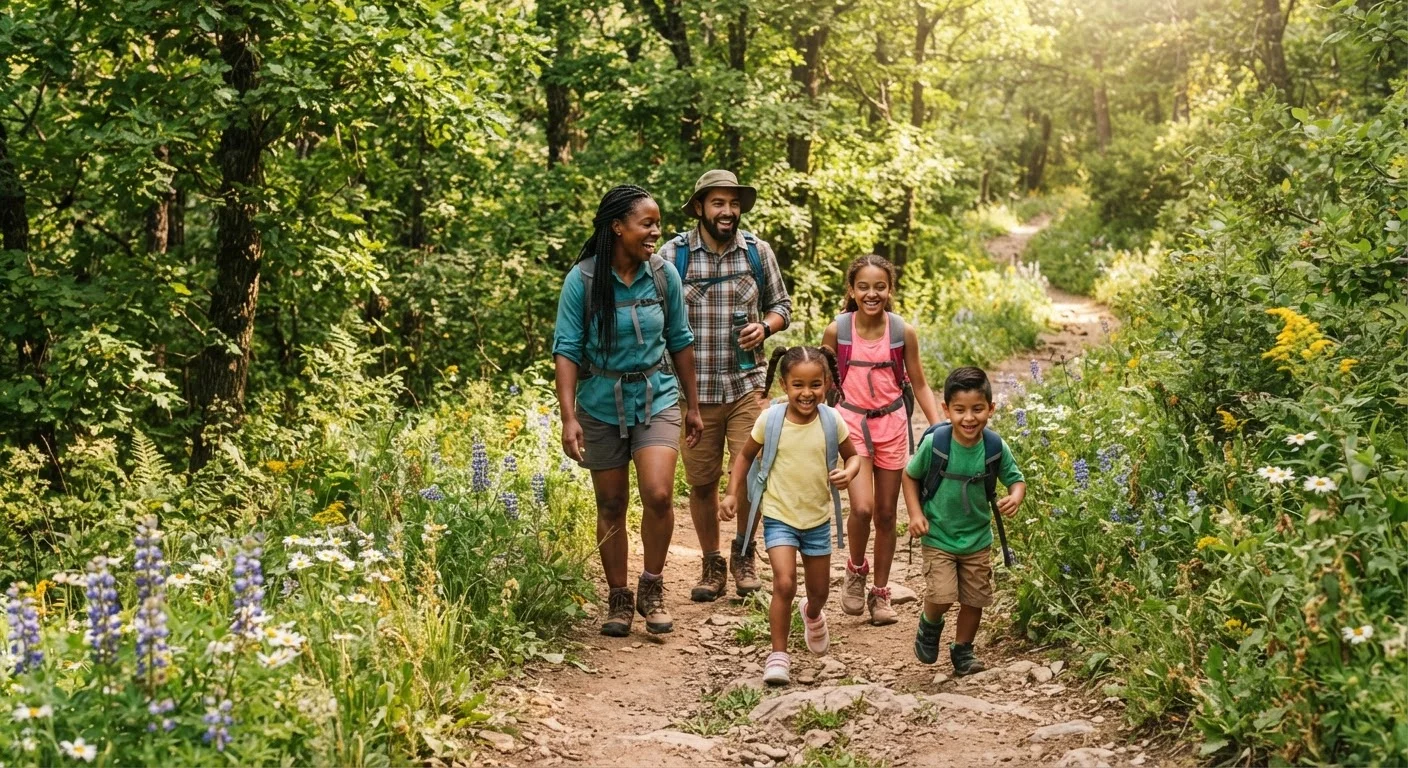
Photo credit: FaqBulletin.com | Information Made Easy
In this article
A curated collection of outdoor movement activities that engage kids and adults alike while building fitness without feeling like a workout.
Key Takeaways
- Family outdoor activities provide meaningful physical movement without requiring gym memberships or structured workouts.
- Activities like hiking, cycling, and gardening build cardiovascular health, strength, and coordination across all ages.
- Consistent outdoor time together supports both physical wellness and children's emotional development.
- Most of these activities require minimal equipment and can be adapted to local parks, trails, or backyards.
- Variety keeps engagement high - rotating activities prevents boredom and works different muscle groups.
Why Outdoor Movement Is the Ultimate Family Wellness Tool
Getting the family moving doesn't have to mean coordinating everyone's schedule around a gym class or investing in expensive equipment. Outdoor activities offer something that structured exercise rarely does: they feel like fun first and fitness second. That shift in framing matters enormously, especially for kids who associate movement with play rather than obligation.
Research in public health consistently links regular time in natural environments with reduced stress, improved mood, and better sleep - for children and adults alike. When families move together outside, they're also building communication, shared memories, and trust, all while accumulating the physical activity that supports long-term health.
If your household is juggling work, school, and everything in between, see how other families are fitting meaningful movement into packed days in our guide to making exercise work around a busy family schedule. The ideas below work equally well as standalone weekend adventures or as short weekday routines.
Trail Hiking
Hiking is one of the most accessible forms of family exercise because difficulty scales so naturally. A paved riverside path suits toddlers and grandparents; a moderate hill trail challenges teenagers and adults. Even a one-mile loop through a local park engages the legs, lungs, and core while delivering genuine cardiovascular benefit.
To keep younger children engaged, turn the walk into a scavenger hunt - identifying birds, spotting different types of tree bark, or counting wildflowers. These small games build observation skills and make the distance feel shorter. Start with short, flat trails and work up gradually as your family's fitness and confidence grow.
Hiking difficulty scales naturally from toddler paths to challenging terrain, making it genuinely all-ages.
Family Cycling
Cycling is a low-impact activity that builds leg strength, balance, and cardiovascular endurance across every age group. Many communities now have dedicated bike paths or rail trails that keep riders safely separated from traffic, making family rides genuinely relaxed outings rather than stressful navigation exercises.
Children who are not yet ready for a standard bike can join via trailer seats, tag-along attachments, or balance bikes, depending on their age and size. Aim for a pace and distance that keeps everyone comfortable - the social element of riding together is the point, not speed or mileage.
Dedicated bike paths make family cycling a relaxed, low-impact outing for every skill level.
Backyard or Community Gardening
Gardening is often overlooked as physical activity, but digging, raking, hauling soil, and crouching to plant seeds engage muscle groups across the entire body. Studies suggest that regular gardening can contribute meaningfully to weekly physical activity targets while also reducing cortisol - the body's primary stress hormone.
Assigning children their own small patch of garden gives them ownership and long-term investment in the outcome. Watching something grow from seed to harvest teaches patience, biology, and responsibility, all while the family spends regular time outdoors together. Community garden plots are widely available in most US cities if backyard space is limited.
Gardening engages the full body and reduces stress - a genuinely underrated form of family movement.
Nature-Based Scavenger Hunts
A well-designed scavenger hunt turns a neighborhood walk or park visit into an adventure that children actively want to repeat. The physical component - walking, jogging between checkpoints, climbing low rocks or logs - is built in without feeling like exercise. Adults benefit too, because navigating and problem-solving together creates genuine connection.
Lists can be adapted to any setting: urban parks might feature specific bird species, public art, or types of architecture; woodland areas could involve leaf shapes, animal tracks, or insect identification. Free printable nature hunt templates are available through many state park websites and nature education organizations.
Scavenger hunts make children want to walk further and explore more - movement disguised as adventure.
Frisbee, Kite Flying, and Open-Field Games
Unstructured open-field play - tossing a disc, flying a kite, kicking a soccer ball, or playing tag - generates high-energy movement in short bursts that mimic interval training without any structured intent. These activities are particularly effective for mixed-age groups because they require no formal rules and can be paused or modified on the fly.
Research in pediatric exercise science indicates that free, unstructured active play is particularly beneficial for children's motor development and executive function. For adults, a relaxed game of catch or frisbee still elevates heart rate and improves coordination. The key advantage is that participation is self-motivating - no one needs to be persuaded to join.
Unstructured open-field play naturally generates interval-style movement with zero pressure or rules.
Swimming and Water-Based Play
Swimming is among the most complete full-body exercises available, engaging the arms, legs, core, and cardiovascular system simultaneously. At a community pool, lake beach, or ocean shoreline, even non-swimmers benefit from water walking, paddling, and splashing - all of which build resistance-based muscular effort with very low injury risk.
Water environments also tend to be naturally temperature-regulating, making summer exercise more comfortable for everyone. Families who live near waterways or community aquatic centers have a particularly efficient resource: a single outing can deliver meaningful physical activity for every age group at the same time and place.
Swimming and water play deliver full-body exercise for all ages with minimal injury risk.
Putting It All Together for Your Family
The goal isn't to complete every activity on this list - it's to find two or three that genuinely excite your household and return to them regularly. Consistency matters far more than variety when it comes to building movement habits. A weekly neighborhood bike ride or a monthly trail hike can deliver substantial fitness and bonding benefits over the course of a year.
Start Small and Build a Routine
You don't need a full weekend to build outdoor habits - even a 20-minute walk after dinner, two or three times a week, accumulates significant health benefit over months. Pick one activity from this list, schedule it for the same time each week, and treat it like any other family commitment. Predictable routines are easier for children to embrace and for adults to maintain.
If your family is ready to take outdoor movement further afield, consider a visit to one of America's national parks. Our companion guide covers what families actually experience at national parks with kids, from trail difficulty to visitor center amenities. And if you prefer to stay home but still want everyone moving, getting the whole family moving without leaving the house offers practical indoor alternatives that complement any outdoor routine.
This article is for general informational and educational purposes only and is not a substitute for professional medical advice. Consult a qualified healthcare provider before starting any new physical activity program, particularly if you or a family member has an existing health condition.

Author
Health & Wellness Editorial Team
Health & Wellness Editorial Team is the collective byline for our editorial team and contributor network. Articles published under this byline or an editorial pen name are researched, written, and reviewed according to our editorial standards for clarity, consistency, and independence before publication.
View all articles →