
Making Exercise Work Around a Busy Family Schedule
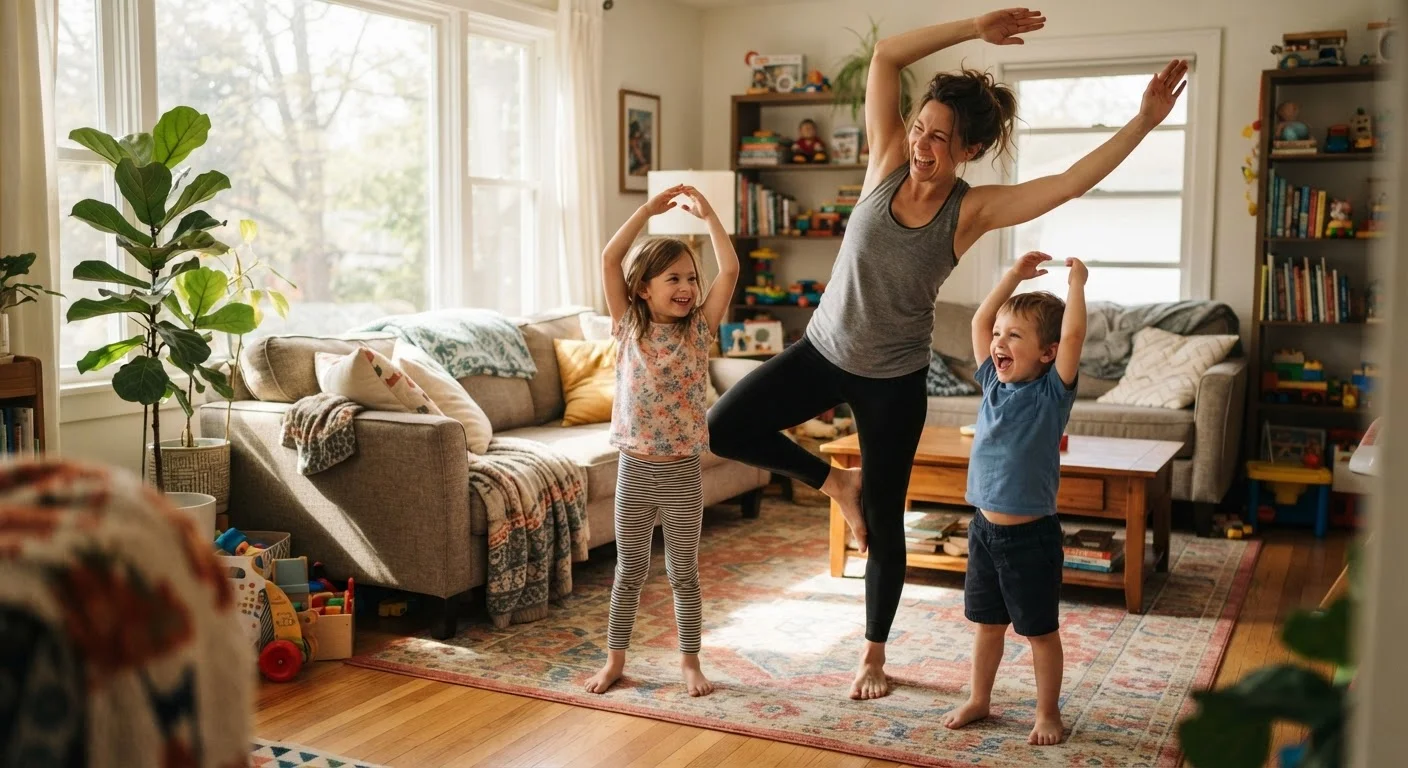
Photo credit: FaqBulletin.com | Information Made Easy
In this article
Evidence-informed approaches for fitting meaningful physical activity into full, unpredictable days without overhauling your routine.
Key Takeaways
- Short, frequent movement sessions throughout the day deliver real health benefits comparable to longer workouts.
- Attaching exercise to existing routines - like school drop-off or meal prep - dramatically improves consistency.
- Involving children and other family members turns physical activity into shared time rather than a solo obligation.
- Flexibility and self-compassion are more sustainable than rigid all-or-nothing fitness plans.
- No gym membership or special equipment is required to meet general physical activity guidelines for adults.
Why Family Life and Traditional Fitness Plans Often Clash
Most conventional exercise advice assumes a predictable schedule, a quiet hour to yourself, and access to a gym or outdoor space. Family life rarely offers any of those. Between school pick-ups, work obligations, meal preparation, and the general unpredictability of children, the structured 45-minute workout slot simply doesn't exist for many households.
The good news is that the mismatch isn't a personal failing - it's a design flaw in how fitness is commonly framed. U.S. physical activity guidelines for adults (150 minutes of moderate-intensity activity per week) do not require that time to come in large, uninterrupted blocks. Understanding this opens up a much more practical set of options. For a deeper look at building sustainable habits from the ground up, the guide to building a consistent exercise habit from scratch covers motivation and realistic goal-setting in detail.
General Information, Not Medical Advice
The strategies in this article are general wellness information for healthy adults. If you have an existing health condition, injury, or are returning to activity after a long break, consult a qualified healthcare professional before making significant changes to your physical activity level. This applies especially to postpartum parents and those managing chronic conditions.
Proven Practices for Fitting Exercise Into a Full Day
The following approaches are grounded in behavioral science and exercise physiology. They're designed to work with the constraints of family life rather than against them - no gym membership, no childcare gap required.
Anchor movement to routines you already have.
Research on habit formation consistently shows that linking a new behavior to an existing cue - called 'habit stacking' - dramatically improves long-term follow-through. When exercise is tied to something automatic, like morning coffee or the school run, it requires less willpower to initiate.
Embrace movement snacks instead of waiting for a full workout window.
A growing body of evidence, including research published in journals such as the British Journal of Sports Medicine, supports that accumulated short bouts of activity - even five to ten minutes at a time - produce meaningful cardiovascular and metabolic benefits. Families rarely control large, uninterrupted time blocks, making this approach especially practical.
Turn family logistics into movement opportunities.
Reframing obligatory tasks - school pickup, grocery runs, weekend errands - as physical activity removes the 'extra time' barrier entirely. Active transportation research suggests that replacing short car trips with walking or cycling contributes meaningfully to weekly activity totals.
Involve children in your movement rather than working around them.
Parents frequently cite childcare as a primary barrier to exercise. Reframing children as participants rather than obstacles both solves the logistics problem and models healthy behavior - a well-documented benefit for children's own lifelong activity levels.
Schedule movement with the same firmness as any other commitment.
Vague intentions to 'exercise when there's time' consistently fail in research on behavior change. Treating physical activity as a non-negotiable appointment - even a brief one - shifts it from optional to planned.
Build a flexible fallback plan for high-disruption days.
Rigid all-or-nothing thinking is one of the most common reasons people abandon exercise habits. Having a minimum viable option - a five-minute stretch, a short walk, or a few bodyweight moves - preserves the habit even when the fuller plan collapses.
For families with limited indoor space, getting the whole family moving without leaving the house offers additional no-equipment strategies suited to any home size.
Starting Small: Quick Wins You Can Act on Today
Lasting change rarely starts with a dramatic overhaul. Research on behavior change consistently supports starting with small, achievable actions that build confidence and momentum over time. The quick wins below require no special preparation and can be implemented immediately.
Once small habits feel automatic, they become the platform for adding more. For context on how brief activity bursts accumulate into real fitness gains, see movement snacks and why short bursts of activity add up.
“The best exercise is the one you'll actually do. For most families, that means building movement into the life you already have rather than waiting for ideal conditions that rarely arrive.”
— American College of Sports Medicine, Leading professional organization for sports medicine and exercise science
This article is for general informational purposes only and does not constitute medical advice. Consult a qualified healthcare professional before making significant changes to your physical activity routine, especially if you have an existing health condition.

Author
Health & Wellness Editorial Team
Health & Wellness Editorial Team is the collective byline for our editorial team and contributor network. Articles published under this byline or an editorial pen name are researched, written, and reviewed according to our editorial standards for clarity, consistency, and independence before publication.
View all articles →