
Building a Consistent Exercise Habit from Scratch
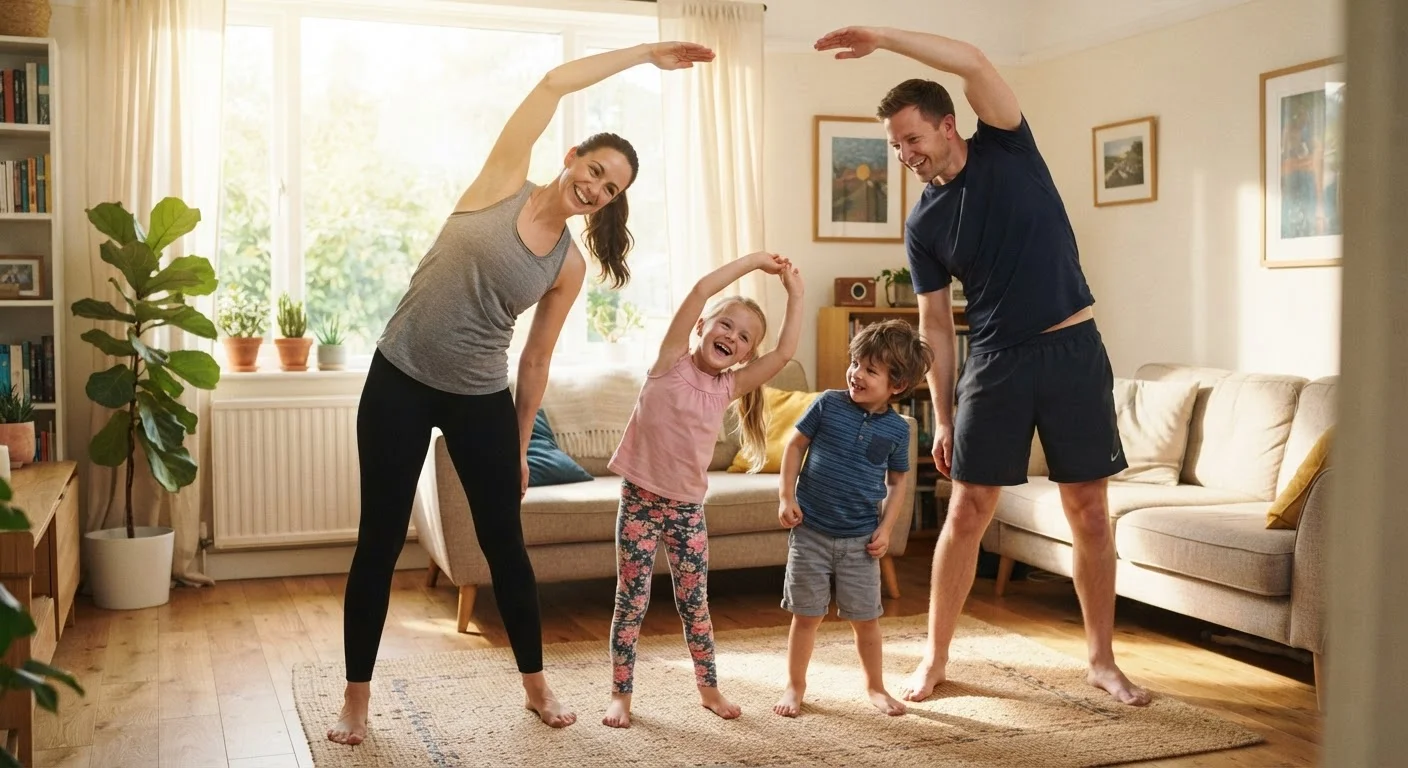
Photo credit: FaqBulletin.com | Information Made Easy
In this article
A beginner-friendly guide to forming a lasting movement routine, covering motivation, scheduling, and realistic goal-setting.
Key Takeaways
- Short, frequent movement sessions build stronger habits than occasional intense workouts.
- Linking exercise to an existing daily routine - called habit stacking - improves follow-through.
- Realistic, specific goals outperform vague intentions like 'get fit' or 'exercise more.'
- Social accountability and family involvement significantly boost long-term adherence.
- No gym or equipment is required to establish a meaningful, health-supporting movement habit.
Why Consistency Matters More Than Intensity
The most common mistake beginners make is treating exercise like a sprint - going hard for two weeks, then stopping entirely. Research in behavioral science consistently shows that regularity, not effort level, is the engine of lasting habit formation. A 15-minute walk repeated five days a week builds a stronger neural routine than an exhausting two-hour gym session done once a month.
Before diving in, it helps to check whether you're physically and logistically ready to begin. Our personal readiness checklist walks through the key health and lifestyle factors worth reviewing first.
Think of consistency as compounding interest for your body. Each small movement session deposits into your fitness account, and over weeks and months, those deposits accumulate into meaningful gains in energy, strength, and mood - with far less risk of burnout or injury.
Habit stacking
Linking a new behavior to an existing routine so it happens automatically - for example, doing squats right after brushing your teeth each morning.
Behavioral goal
A goal focused on a specific action you will take, rather than an outcome you hope to achieve. 'Walk 20 minutes three times a week' is a behavioral goal.
Moderate-intensity activity
Exercise that noticeably raises your heart rate and breathing but still allows you to hold a conversation - brisk walking, light cycling, and dancing are common examples.
Adherence
How consistently a person sticks to a planned exercise routine over time. High adherence is the primary predictor of long-term fitness benefits.
Habit formation
The process by which a repeated behavior becomes automatic and requires less conscious effort or motivation to perform.
Setting Realistic Goals You Can Actually Meet
Vague intentions like "get in shape" collapse quickly under the weight of real life. Effective goals are specific, measurable, and tied to behavior rather than outcomes. Instead of "exercise more," try "take a 20-minute walk after dinner on Monday, Wednesday, and Friday."
This behavioral framing matters because it removes the guesswork from your day. You know exactly what to do, when to do it, and what success looks like. Start conservatively - a goal you exceed feels motivating, while one you repeatedly miss feels defeating.
- Behavior goal: Walk for 20 minutes, three days per week
- Process goal: Do 10 minutes of stretching every morning before coffee
- Milestone goal: Complete four weeks of your planned schedule without skipping more than one session
If you're interested in understanding different movement modalities as you set goals, our comparison of cardio vs. strength training can help you match your goals to the right approach.
Start Smaller Than You Think You Should
If you're unsure how ambitious to make your starting goal, cut it in half. A plan that feels almost too easy in week one is far more likely to still be running in week eight. You can always add more - but rebuilding motivation after an early dropout is much harder.
Scheduling Movement Into a Real Family Day
Finding time is the obstacle most families cite most often. The solution isn't carving out a perfect hour - it's anchoring movement to moments that already exist in your day, a technique known as habit stacking.
Examples of habit stacking for families include:
- A brisk 10-minute walk immediately after dropping kids at school
- Bodyweight squats or stretching during TV commercial breaks
- A post-dinner family walk as a wind-down ritual
- Active play in the backyard or hallway that counts as real movement for adults too
The key is treating the scheduled movement as non-negotiable as a meal - not something you'll do "if time allows." For deeper strategies on fitting activity into unpredictable days, see our guide on making exercise work around a busy family schedule.
If space is limited at home, don't let that be a barrier. Our article on movement in small spaces offers practical room-by-room strategies for apartments and compact homes.
Staying Motivated When Enthusiasm Fades
Motivation is unreliable - it peaks at the start of any new endeavor and reliably dips around weeks two and three. Discipline and environmental design carry you through those gaps. Structure your environment so that exercising is the path of least resistance: lay out workout clothes the night before, keep walking shoes by the door, or designate a corner of a room as your movement space.
Social accountability is one of the most evidence-supported tools for adherence. Sharing your plan with a family member, friend, or small online community creates a social contract that's harder to break than a private promise to yourself. Even exercising alongside a child - who doesn't know they're your accountability partner - adds a layer of commitment.
Tracking progress, even informally, also reinforces the habit. A simple calendar where you mark completed sessions provides a visual streak that many people find surprisingly motivating to protect. And remember: missing one session is normal. Missing two in a row is the pattern to interrupt.
Building Your Movement Toolkit
You don't need a gym membership or specialized equipment to build a meaningful routine. A solid beginner toolkit looks like this:
- Walking
- The most underrated form of exercise. It's free, low-impact, social, and supported by decades of evidence linking it to cardiovascular and mental health benefits.
- Bodyweight training
- Push-ups, squats, lunges, and planks require no equipment and can be scaled from complete beginner to advanced. Our guide to strength training vocabulary explains the key terms you'll encounter as you progress.
- Stretching and mobility work
- Often overlooked, regular stretching supports joint health, reduces injury risk, and serves as a gentle entry point on low-energy days.
As your habit solidifies, you may also notice improvements in sleep quality. The relationship between exercise and sleep is meaningful and worth understanding - our article on exercise and sleep explores the evidence behind that connection.
CDC Physical Activity Guidelines for Americans
The Centers for Disease Control and Prevention publishes research-backed weekly activity recommendations for adults and children, including guidance for people with chronic conditions.
Exercise Log Template
A simple weekly movement tracker helps you visualize your consistency, identify patterns, and maintain the motivating streak effect that supports habit formation.
MyHealthfinder (health.gov)
A personalized health recommendations tool from the U.S. Department of Health and Human Services that includes evidence-based physical activity guidance tailored to age and health status.
This article is for general informational and educational purposes only and is not a substitute for professional medical advice. Always consult a qualified healthcare provider before beginning a new exercise program, particularly if you have a health condition or have been inactive for an extended period.
Frequently Asked Questions

Author
Health & Wellness Editorial Team
Health & Wellness Editorial Team is the collective byline for our editorial team and contributor network. Articles published under this byline or an editorial pen name are researched, written, and reviewed according to our editorial standards for clarity, consistency, and independence before publication.
View all articles →