
Fitting Movement Into Small Spaces: Apartment and Tight-Home Strategies
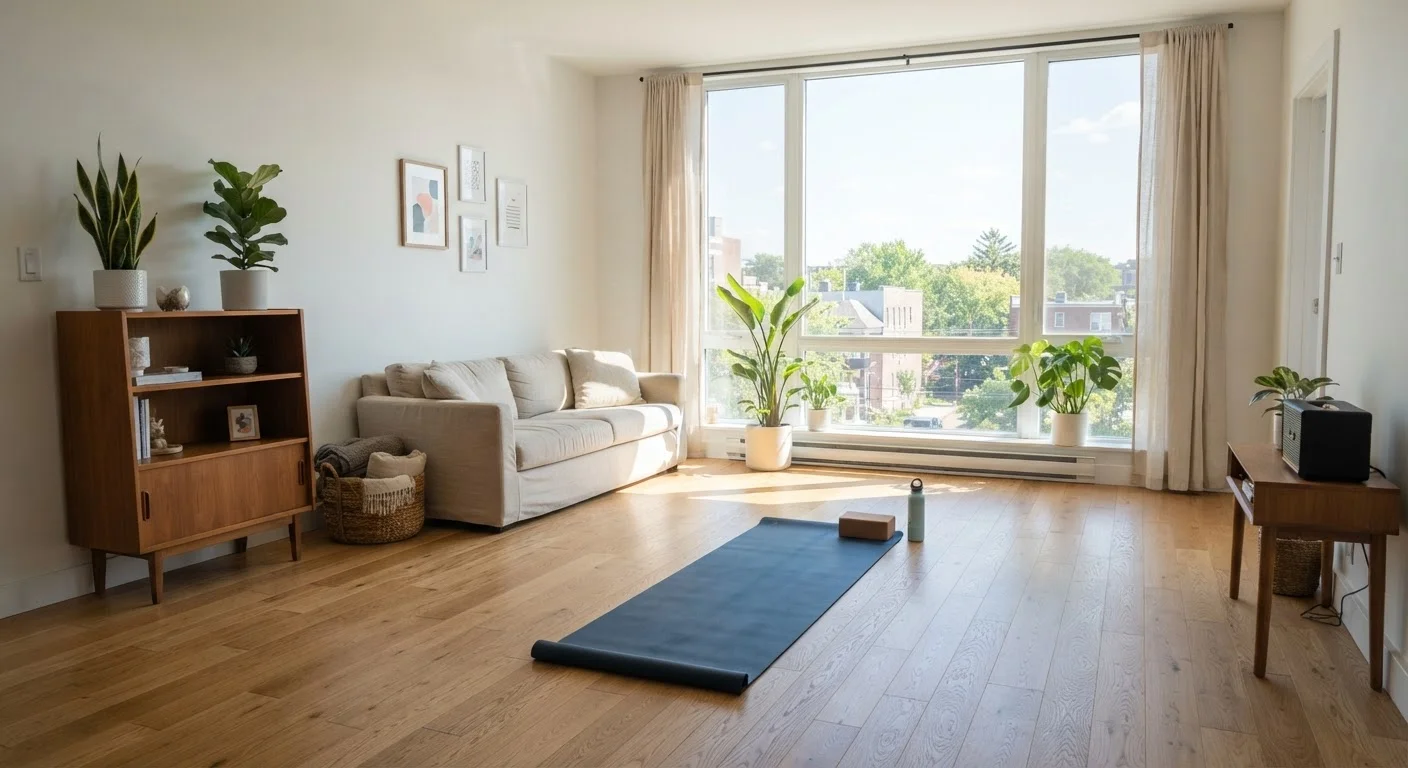
Photo credit: FaqBulletin.com | Information Made Easy
In this article
Step-by-step guidance for building an effective movement routine when you have limited square footage and no yard or gym access.
Key Takeaways
- Most bodyweight exercises need only a 6-by-4-foot clear area - roughly the size of a yoga mat.
- Breaking movement into short, frequent sessions throughout the day can be as effective as one longer workout.
- Simple furniture rearrangements can unlock hidden exercise space in almost any room.
- Consistency matters more than square footage - small, daily efforts compound into meaningful fitness gains.
- Consult a healthcare professional before starting a new exercise routine, especially with existing health conditions.
Why Small Spaces Are Not a Fitness Barrier
The most common reason people cite for skipping exercise is lack of access - no gym membership, no yard, not enough room. But physical activity research consistently shows that the type and location of movement matters far less than its regularity. The majority of effective bodyweight exercises require a footprint no larger than a standard yoga mat: roughly 6 feet long by 2 feet wide. The real challenge in a compact apartment or tight home is less about physical square footage and more about a perceived barrier - the mental equation that links exercise with a large, dedicated room.
Rethinking that equation is the foundation of this guide. Whether you live in a studio apartment, a compact townhome, or a house shared with several people, the strategies below help you identify, create, and use movement-friendly zones that already exist in your home - without renovating, purchasing bulky equipment, or sacrificing storage. For families managing full schedules alongside limited space, these approaches pair well with the broader planning principles in our guide to fitting exercise around a busy family schedule.
Talk to Your Doctor Before Starting
This article provides general health education, not personalized medical advice. If you have a chronic condition, injury, joint pain, or cardiovascular concern, speak with a qualified healthcare provider before beginning or changing any exercise routine. This guidance is especially important for older adults, pregnant individuals, and those managing ongoing health conditions.
Setting Up, Getting Started, and Staying on Track
Effective small-space movement starts with a brief setup investment. You do not need a home gym or expensive equipment, but a few low-cost, compact items meaningfully improve safety and exercise variety.
Yoga or exercise mat
Defines your movement zone, cushions joints during floor work, and reduces noise transfer to floors below.
Resistance bands
Provide adjustable resistance for strength exercises without taking up significant storage or floor space.
Furniture sliders or moving pads
Allow you to shift sofas, chairs, and tables quickly to clear floor space before a session.
Doorframe pull-up bar
Adds upper-body pulling exercises to your routine using a single doorway and minimal hardware.
Interval timer or app
Structures work and rest periods so you stay on track during short movement sessions without watching a clock.
Before working through the step-by-step process below, confirm you have the following in place:
What you will need
With your space identified and basics gathered, follow the steps below to build your routine from the ground up.
Audit and Map Your Available Space
Walk through each room and identify spots where at least 6 square feet of floor can be cleared quickly. Common candidates include the area in front of the sofa, beside the bed, or at the end of a hallway. Sketch a rough floor plan noting which pieces of furniture slide easily and which are fixed. This mental map eliminates decision-making on workout days and cuts setup time to under two minutes.
Designate One Primary Movement Zone
Choose the single best spot in your home - usually the living room - as your primary movement zone. Store your mat there permanently if possible, or keep it rolled up within arm's reach. A consistent, dedicated zone signals to your brain that movement happens here, which strengthens the habit loop over time. If you share the space, agree on a standing schedule with housemates or family members so the area is reliably available when you need it.
Build a Bodyweight Movement Menu for Your Zone
Compile a short list of exercises that fit your available floor zone. Stationary movements - squats, lunges in place, push-up variations, planks, glute bridges, and mountain climbers - require little to no lateral travel. Vertical movements such as standing shoulder presses, resistance-band rows anchored to a door, and calf raises use height rather than floor area. Organize your menu into categories - lower body, upper body, core, and cardiovascular - so you can mix and match without rebuilding a plan each session. For a deeper look at movement patterns that translate to everyday life, see what functional fitness means for everyday families.
Adopt a Movement Snack Schedule
Rather than relying on a single 45-minute session that requires a fully cleared room, distribute movement across the day in 5-15 minute blocks. A set of squats before breakfast, a brief resistance-band circuit at lunch, and a short core sequence after dinner can collectively support general physical activity goals. This approach is especially practical for apartment dwellers and busy families with shared, multipurpose living spaces. Learn how these short bursts accumulate meaningful benefits in our article on movement snacks and why short bursts of activity add up.
Use Vertical Space and Structural Features
Walls and doorframes are underused fitness assets in small homes. A doorframe pull-up bar adds pulling and hanging movements without occupying floor space. Wall-supported exercises - such as wall sits or incline push-ups against a solid wall - require minimal clearance. If your building has a stairwell, step-ups are an effective lower-body option that uses architecture rather than floor area. Think vertically when floor space is genuinely scarce: the goal is engaging your body through its full range of motion, not covering ground.
Build Consistency and Track Your Progress
Consistency is the single greatest driver of fitness outcomes, regardless of equipment or space. Set a realistic schedule - even three sessions per week is a meaningful start - and record what you complete in a simple log or free app. Tracking creates accountability and helps you recognize progress over weeks rather than days. If you are newer to building exercise habits, the beginner's guide to building a consistent exercise habit offers practical frameworks for scheduling and motivation. Revisit your movement menu every four to six weeks to add variety and maintain an appropriate level of challenge as your fitness improves.
The Reset Rule Keeps Space Ready
After every session, spend two minutes returning furniture and items to their original positions. This simple habit means your movement space is always just a few shifts away, removing the friction that causes skipped workouts. Treat setup and teardown as part of the session, not as an obstacle to it.
Mind Your Ceiling Height and Neighbors
Before jumping or performing overhead movements, confirm your ceiling clearance is adequate and review your lease or building rules regarding noise. Placing a thick exercise mat or folded blanket on the floor significantly reduces impact sound. Scheduling higher-impact movement during mid-morning or early afternoon hours is considerate of downstairs neighbors.
Once your routine is underway, getting the whole family moving without leaving the house offers additional strategies for involving everyone - from toddlers to grandparents - in the same limited space.
This article is for general informational and educational purposes only and does not constitute medical advice. Always consult a qualified healthcare professional before beginning a new exercise program, particularly if you have any existing health conditions or concerns.

Author
Health & Wellness Editorial Team
Health & Wellness Editorial Team is the collective byline for our editorial team and contributor network. Articles published under this byline or an editorial pen name are researched, written, and reviewed according to our editorial standards for clarity, consistency, and independence before publication.
View all articles →