
Emergency Supplies Every Car Should Carry
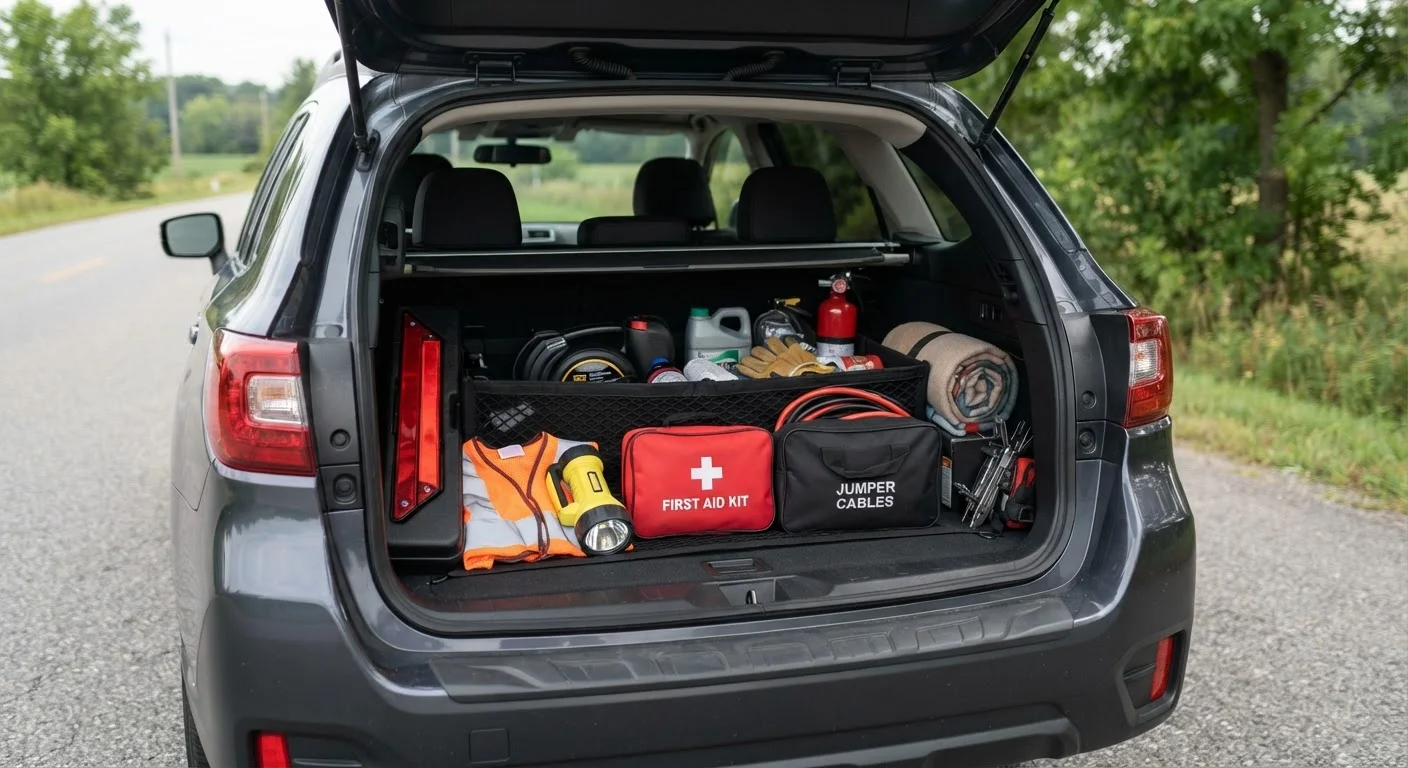
Photo credit: FaqBulletin.com | Information Made Easy
In this article
A practical reference list of roadside emergency items—from warning triangles to first-aid basics—and why each one earns its place in your trunk.
Why Every Driver Needs an Emergency Kit
Roadside breakdowns and minor accidents happen without warning - a blown tire on a dark highway, a dead battery in a parking lot, or a collision on an unfamiliar route. Having the right supplies on hand doesn't just reduce inconvenience; it can protect lives. Yet the majority of American drivers carry nothing more useful than a spare tire, and many of those are underinflated or damaged.
The goal of an emergency kit is simple: bridge the gap between the moment something goes wrong and the arrival of professional help. A well-assembled kit won't turn you into a mechanic, but it will help you stay visible, safe, and self-sufficient for those critical first minutes or hours. See our guide on what to do immediately after a car accident for the step-by-step sequence once an incident occurs.
The Core Items Your Trunk Should Always Have
Visibility and Warning
Reflective warning triangles or road flares are your first line of defense after a stop. Place them at least 100 feet behind your vehicle on the road to alert oncoming traffic. LED-based emergency flares are reusable and eliminate the fire risk of traditional flares - a practical upgrade worth knowing about.
A high-visibility safety vest makes you easier to see when you step outside the vehicle near moving traffic. Keep one per adult in the car.
Power and Traction
Jumper cables (at least 12 feet long, 4-6 gauge) or a portable jump starter handle one of the most common roadside failures: a dead battery. A compact lithium jump starter can fit in a bag and requires no second vehicle, which is a meaningful advantage when parked alone.
A small bag of sand, kitty litter, or traction mats provides grip when tires spin on ice or mud. These are especially worth carrying in winter months or rural areas.
Tire Management
A functional spare tire, jack, and lug wrench are the starting point - confirm regularly that your spare is properly inflated (consult your owner's manual for the correct pressure). Pair those with a tire pressure gauge and a can of tire inflator/sealant for slow leaks that don't warrant a full change. Our seasonal maintenance checklist includes reminders on spare tire inspection.
First Aid
A compact first aid kit should include adhesive bandages, gauze pads, medical tape, antiseptic wipes, nitrile gloves, and a CPR face shield at minimum. Pre-assembled automotive kits are available, but verify the contents and replace expired items annually. This is general preparedness - not a substitute for emergency medical services in a serious situation.
Essential Tools and Supplies
- LED flashlight or headlamp with fresh batteries - hands-free lighting is invaluable at night
- Multipurpose utility knife or multi-tool for cutting seatbelts or basic tasks
- Duct tape and zip ties for temporary fixes to hoses, trim, or loose parts
- Work gloves to protect hands when handling cables or debris
- Basic tool kit including pliers, screwdrivers, and an adjustable wrench
- Waterproof matches or a lighter for signaling or warmth in emergencies
Comfort and Communication
- Water (at least one gallon) and non-perishable snacks - critical if you're stranded for hours
- Emergency blanket or a wool blanket for warmth in cold weather
- Phone charger or power bank to keep communication open
- Pen and notepad for recording insurance or witness information after an accident
- Copies of key vehicle documents - registration, proof of insurance, and roadside assistance contact numbers. Our vehicle records guide explains which documents to keep accessible.
Maintaining and Updating Your Kit
An emergency kit that hasn't been checked in two years is only partially reliable. Set a reminder - tying it to your seasonal vehicle inspection works well - to verify that batteries are charged, food and water haven't expired, and medical supplies are still intact. Rotate water bottles seasonally, especially in vehicles that sit in extreme heat.
If your household budget is a concern, assembling a kit gradually over several months is a perfectly reasonable approach. Prioritize high-impact items first: warning triangles, a jump starter, and a first aid kit deliver the greatest safety return. For broader context on managing vehicle costs, see our guide to keeping a car on a tight household budget.
Tailor your kit to your driving patterns. Long highway commuters, families with young children, and drivers in snowy climates each face different risk profiles. A family heading on a road trip should run a dedicated pre-trip vehicle safety check before departure.

Author
Automotive Editorial Team
Automotive Editorial Team is the collective byline for our editorial team and contributor network. Articles published under this byline or an editorial pen name are researched, written, and reviewed according to our editorial standards for clarity, consistency, and independence before publication.
View all articles →