
Keeping Your Vehicle Records in Order
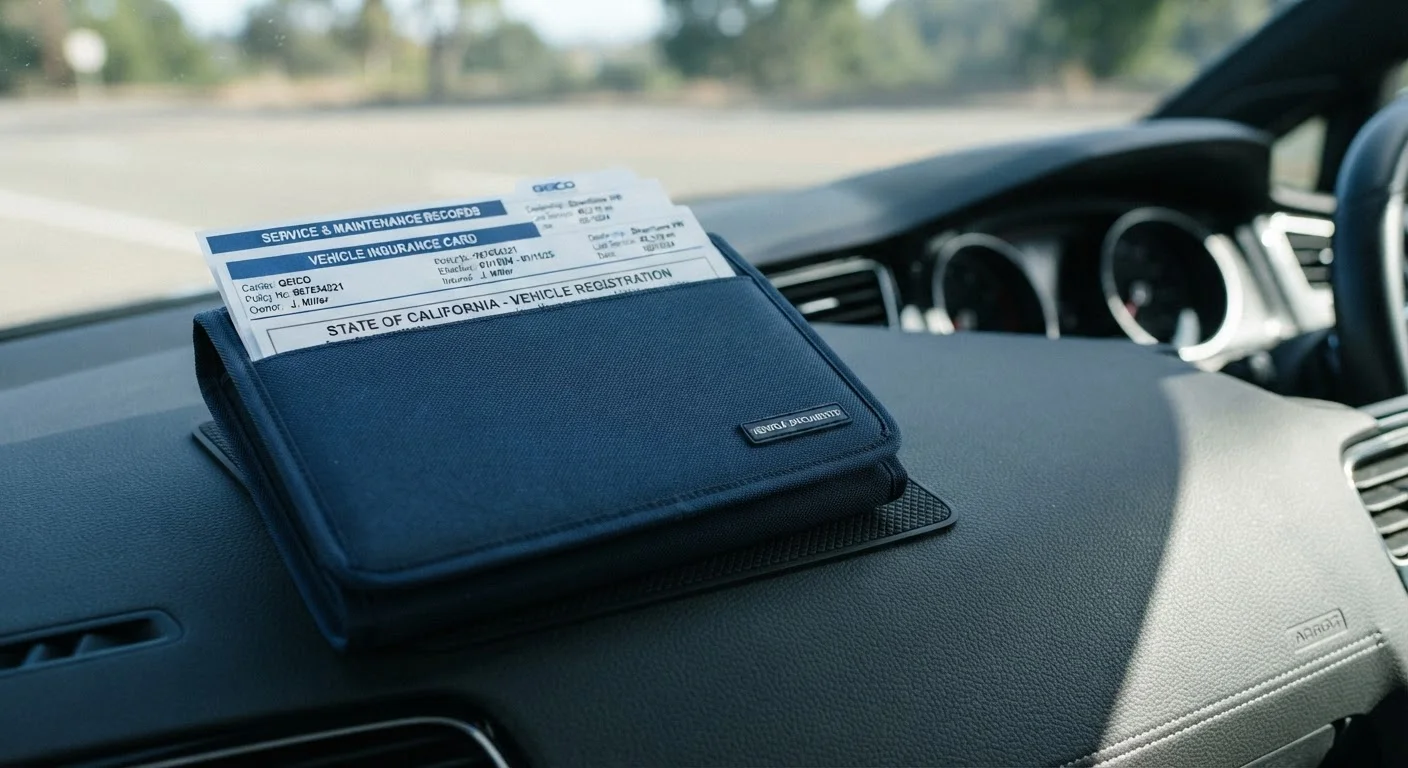
Photo credit: FaqBulletin.com | Information Made Easy
In this article
Which documents to keep, how long to keep them, and where to store title, insurance, service history, and registration paperwork for easy access.
Key Takeaways
- Your vehicle title, registration, and proof of insurance are legally required documents every driver should have accessible.
- Service records increase resale value and help mechanics diagnose problems faster - keep them indefinitely.
- Store originals securely at home and carry certified copies or photos of key documents in your vehicle.
- Most financial and warranty records should be kept for at least three to seven years after a transaction closes.
- A consistent filing system - physical or digital - eliminates scrambling at renewal time or after an accident.
Why Vehicle Recordkeeping Matters More Than Most Drivers Realize
Disorganized vehicle paperwork is one of the most common and preventable headaches in car ownership. Whether you're pulled over, filing an insurance claim, or preparing to sell, the ability to produce the right document quickly has real consequences. For a first-time owner, the categories of records can feel overwhelming - but the system is simpler than it looks once you know what to keep and why.
This guide covers every major document category, how long to hold onto each, and the safest way to store them - both at home and in the car. For a broader introduction to ownership obligations, see our guide to financial and administrative basics for new vehicle owners.
The Core Documents Every Vehicle Owner Must Have
Certain documents are legally required and must be accessible at all times. Others are strongly advisable to retain for financial protection.
Always carry current proof of insurance and registration in the vehicle at all times.
Law enforcement in every US state requires drivers to produce proof of insurance and vehicle registration on demand. Failing to do so can result in fines even if the coverage is active. A paper card and a photo backup on your phone cover both bases.
Keep your vehicle title in a secure location at home, never in the car.
The title is the legal proof of ownership. Leaving it in the vehicle means a theft could hand a thief everything needed to fraudulently transfer the vehicle. A fireproof home safe or a bank safe deposit box are the appropriate storage options.
Maintain a running service log that captures every maintenance visit and repair.
A complete service history helps mechanics diagnose issues faster by eliminating guesswork, and it is a documented asset when selling the vehicle privately or trading it in. Buyers and dealers consistently pay more for vehicles with verifiable maintenance records.
Create digital backups of all critical documents and store them in a secure cloud folder.
Physical documents can be lost in a fire, flood, or theft. A scanned or photographed copy stored in an encrypted cloud account ensures you can access critical information even if originals are destroyed. This is especially useful when dealing with insurers or the DMV remotely.
File loan payoff and warranty documentation in a permanent record rather than discarding them at closing.
Disputes over lien releases and warranty coverage can surface months or years after a transaction closes. Without documentation, resolving these disputes is significantly harder and may require costly legal or DMV intervention.
Missing any of these at a traffic stop or accident scene can result in fines, delays, or complications with your insurer. Our post-accident action guide explains exactly which documents you'll need to exchange at the scene.
How Long to Keep Each Type of Record
Not every document needs to live in your files forever. A practical retention schedule prevents clutter and ensures you hold onto what matters most:
- Vehicle title: Keep permanently. Transfer it only when the vehicle changes hands.
- Registration certificates: Keep the current one plus the prior year. Older ones can be discarded once renewed.
- Insurance cards and policy documents: Retain for the life of the policy plus three years after it lapses, in case of late-emerging claims.
- Loan or lease documents: Keep until the loan is paid off and title is clear, then retain the payoff letter permanently.
- Service and repair records: Keep indefinitely. These build a documented maintenance history that benefits you at trade-in or private sale.
- Emissions and inspection certificates: Keep current plus one prior cycle.
- Warranty documentation: Keep for the full warranty period plus the statute of limitations in your state (typically three to six years) for potential disputes.
State Requirements Vary on Document Retention
While federal tax guidance often shapes general retention timelines, vehicle-specific rules vary by state - particularly for emissions certificates, inspection stickers, and registration periods. Check your state's DMV website for the retention requirements that apply to you. When in doubt, keeping records longer than the minimum is rarely a disadvantage.
When renewal season arrives, our registration renewal checklist walks through every document you'll need to verify beforehand.
Where and How to Store Your Vehicle Records
Storage strategy matters as much as knowing what to keep. A two-tier approach - secure home storage plus a lean travel set - covers every likely scenario.
Keeping your records organized also supports smarter spending. Documented service history lets you avoid duplicate maintenance charges and validate warranty eligibility. For more on controlling ownership costs, see our guide to keeping a car on a tight budget.
For seasonal maintenance items that should always be in reach, the seasonal maintenance checklist is a useful complement to your document folder.

Author
Automotive Editorial Team
Automotive Editorial Team is the collective byline for our editorial team and contributor network. Articles published under this byline or an editorial pen name are researched, written, and reviewed according to our editorial standards for clarity, consistency, and independence before publication.
View all articles →