
Annual Vehicle Checkup: What to Verify Before Your Registration Renewal
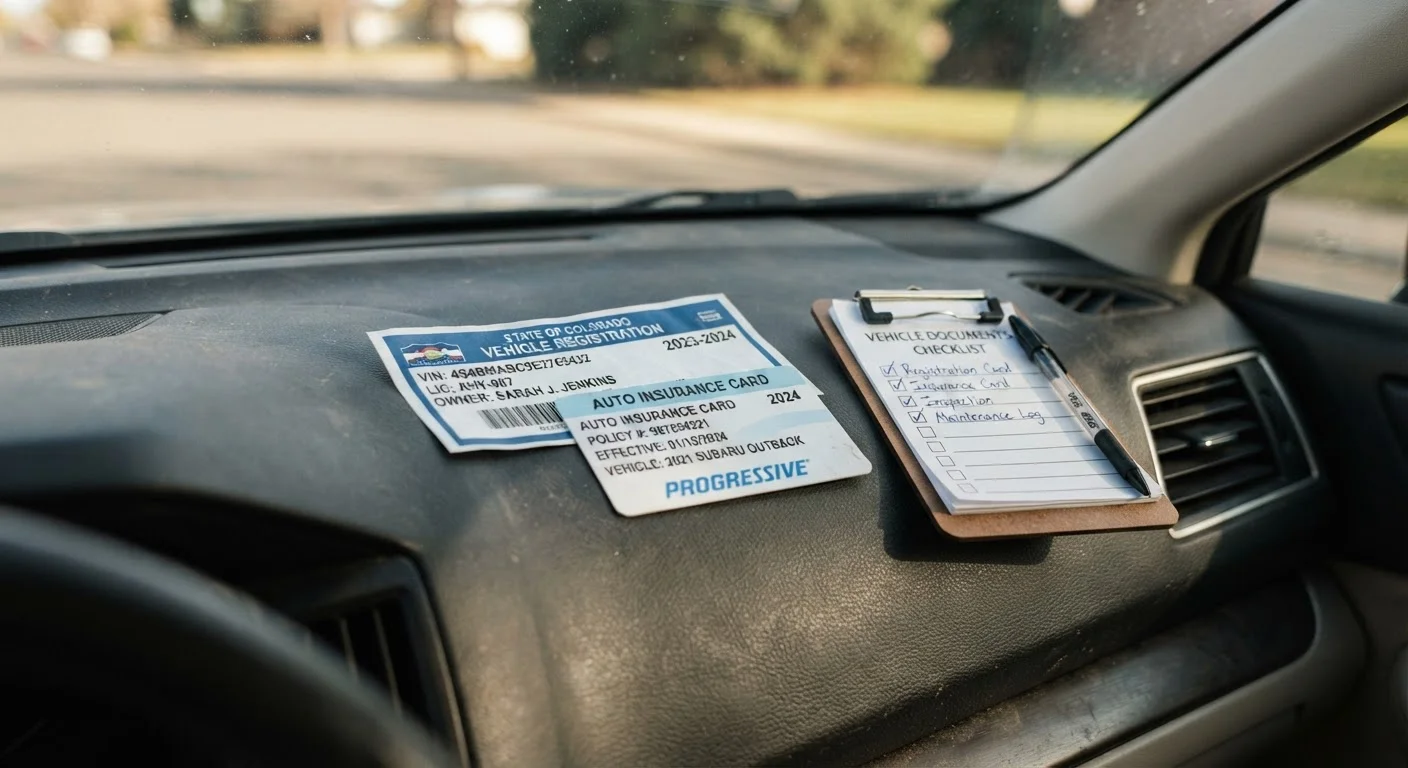
Photo credit: FaqBulletin.com | Information Made Easy
In this article
A practical checklist covering safety inspection items, emissions readiness, insurance documentation, and title accuracy ahead of renewal season.
Key Takeaways
- Registration renewal requirements vary by state - always check your state DMV's specific rules before assuming.
- Failing an emissions or safety inspection before renewing can lead to costly last-minute repairs.
- Verifying your title and insurance documents ahead of time prevents unexpected renewal rejections.
- Outstanding parking tickets or toll violations in some states can block registration renewal.
- Keeping a dedicated vehicle records folder makes future renewals significantly faster and less stressful.
Why This Checkup Matters Before You Renew
Registration renewal can feel like a routine errand - mail a check or click a button online and you're done. But for many drivers, the process stalls because of something they didn't see coming: a failed emissions test, a lapsed insurance policy, or a title discrepancy that requires a trip to the DMV to resolve. These issues are almost always preventable with a little advance preparation.
This checklist addresses the administrative and safety verification steps that tend to catch drivers off guard. It is not a substitute for the full seasonal maintenance checklist that covers fluids, tires, and brakes on a recurring basis - rather, it focuses on the documentation, compliance, and inspection readiness that your state's DMV actually cares about at renewal time.
Requirements differ significantly across states. Some states mandate annual safety inspections; others have no inspection program at all. Some counties within a state require emissions testing while neighboring counties do not. Before working through this checklist, take five minutes to confirm exactly what your state and county require. Your state DMV's official website is the authoritative source.
State DMV Website
The authoritative source for your state's specific renewal requirements, fee schedules, and accepted inspection stations.
Vehicle Title
Required to verify name, VIN, and lienholder accuracy before renewal - and necessary if any title corrections are needed.
Current Insurance ID Card
Proof of active coverage that many states require to be presented at renewal or kept in the vehicle.
OBD-II Scanner
Allows you to read or clear diagnostic trouble codes at home before scheduling an emissions test, helping identify issues early.
Vehicle Service Records
Helps identify whether recent repairs may have introduced issues that could affect safety or emissions inspection outcomes.
Pre-Renewal Checklist
Work through these groups in order. Items marked must are non-negotiable for most states; should items are strongly recommended; nice-to-have items reduce friction and protect you down the road.
Insurance Verification
Emissions Readiness
Safety Inspection
Title and Administrative Records
Renewal Logistics
Don't Reset Codes Right Before an Emissions Test
Clearing diagnostic trouble codes with a scanner or disconnecting the battery immediately before an emissions test will not help you pass - it will likely cause an automatic failure. Modern OBD-II systems require the vehicle to complete a series of self-diagnostic 'readiness monitors' after any reset, which can take several days of normal driving. Arrive at the test station with a fully warmed-up engine and no recent resets.
Registration fees, emissions testing costs, and any required inspection fees are expenses that recur every year but rarely make it into household budgets. For a fuller picture of the ongoing costs of vehicle ownership, see our article on car ownership costs that most people forget to budget for.
Keeping Your Documents in Order After Renewal
Once your renewal is complete, the new registration card and any updated insurance documents should be placed in your vehicle immediately. Many states allow digital proof of insurance, but confirm whether your state accepts it before relying on your phone at a traffic stop.
Consider maintaining a dedicated folder - physical or digital - for your title, registration history, insurance declarations pages, and service records. A well-organized vehicle file also becomes essential if you ever sell the car or need to dispute a title issue. Our guide to keeping your vehicle records in order covers exactly which documents to retain and for how long.
Finally, treat your annual vehicle checkup as part of a broader household financial review. Registration fees, inspection costs, and insurance premiums are predictable annual expenses that deserve a line in your budget. The annual household financial check-up checklist is a useful companion for folding vehicle costs into your overall financial planning.
This article is for general informational purposes only. Vehicle registration requirements, emissions standards, and inspection rules vary by state and locality. Always verify current requirements with your state's official DMV or motor vehicle authority before acting on any information here.

Author
Automotive Editorial Team
Automotive Editorial Team is the collective byline for our editorial team and contributor network. Articles published under this byline or an editorial pen name are researched, written, and reviewed according to our editorial standards for clarity, consistency, and independence before publication.
View all articles →