
ADAS Features Compared: Which Driver Assistance Technologies Actually Help
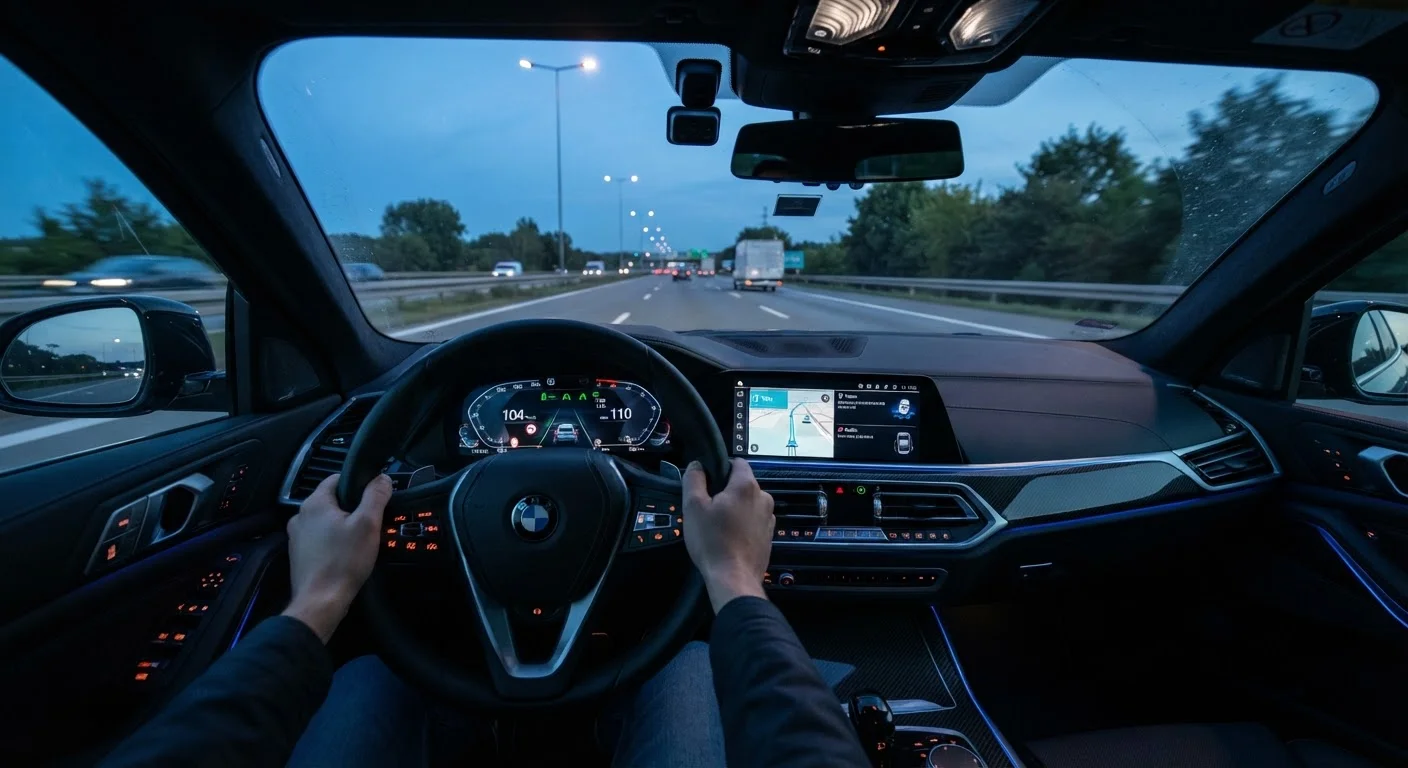
Photo credit: FaqBulletin.com | Information Made Easy
In this article
Lane keeping, automatic emergency braking, blind-spot monitoring—what each system does, its limits, and how they stack up for real-world safety.
Key Takeaways
- Automatic Emergency Braking (AEB) is one of the most crash-preventing ADAS features available today.
- No driver assistance system replaces attentive, skilled driving - all have documented limitations.
- Blind-spot monitoring and rear cross-traffic alert are especially valuable for highway lane changes and parking.
- Lane-keeping assist and lane departure warning are different technologies with meaningfully different behaviors.
- Sensor performance degrades in adverse weather, dirt, or low visibility - regular cleaning matters.
What ADAS Actually Is - and Isn't
Advanced Driver Assistance Systems (ADAS) is the umbrella term for electronic features that monitor the vehicle's surroundings and either alert the driver or intervene automatically to reduce crash risk. These systems use cameras, radar, ultrasonic sensors, or a combination of all three to build a real-time picture of the road.
It's important to draw a clear line: ADAS belongs to the category of active safety - technology designed to prevent a crash before it happens. That's a fundamentally different role from passive safety features like airbags and crumple zones, which protect occupants once a collision is already underway. For a deeper look at how those two categories interact, see Active Safety vs. Passive Safety.
None of these systems qualify as autonomous driving. They are driver assistance tools - not replacements for an alert, skilled driver behind the wheel.
The Four Core ADAS Features Compared
Most vehicles on U.S. roads today offer some combination of the following systems. Understanding what each one does - and where it falls short - helps drivers use them correctly rather than over-rely on them.
| AEB | Blind-Spot Monitoring | Lane-Keeping Assist | Rear Cross-Traffic Alert | |
|---|---|---|---|---|
| Primary function | Brakes automatically to prevent front collision | Alerts to vehicles in adjacent lanes | Steers or warns if drifting from lane | Detects cross traffic when reversing |
| Sensor type | Camera + radar/lidar | Radar | Camera (lane markings) | Radar or ultrasonic |
| Driver intervention required | No - system can brake automatically | Yes - driver must steer | Partial - can apply corrective steering | Yes - driver must stop or steer |
| Best use scenario | Urban stop-and-go, low-speed following | Highway lane changes | Highway cruise, divided roads | Parking lots, driveways |
| Key limitation | Reduced accuracy at high speed or in fog | Misses fast-approaching vehicles | Needs clear lane markings | Limited range; misses fast traffic |
| Crash reduction evidence | Strong - IIHS-documented reductions | Moderate - reduces sideswipes | Moderate - reduces run-off-road | Limited - data still emerging |
Each system operates within defined sensor coverage zones and speed ranges. AEB, for example, typically functions most reliably at speeds under 50 mph; performance at highway speeds varies by manufacturer implementation. Lane-keeping assist generally requires visible lane markings, meaning it can disengage on poorly marked rural roads or in heavy rain.
Keep Sensors Clean for Consistent Performance
Cameras and radar units can be blocked by ice, mud, or even a dealership bumper sticker. Wipe camera lenses and ensure radar zones on front and rear fascias are clear, especially after winter driving or car washes that leave residue. After any windshield replacement or front-end repair, ask your mechanic whether the forward-facing camera requires recalibration - misalignment is a common and overlooked issue.
Real-World Limitations to Know Before You Drive
ADAS features are only as reliable as the sensors powering them. A camera lens obscured by mud, a radar unit blocked by a front-end sticker, or a windshield sensor misaligned after a glass replacement can all degrade system performance - sometimes without triggering a dashboard warning.
Weather is the other major variable. Heavy rain, snow, and fog reduce camera and radar range significantly. Blind-spot monitoring radar can struggle with stationary objects, and AEB systems may not detect pedestrians reliably in low-light conditions depending on the technology generation.
Overconfidence is the hidden risk. Studies from the Insurance Institute for Highway Safety (IIHS) and other road safety researchers have documented cases where drivers disengage from the task of driving after ADAS activates, assuming the system will handle hazards. It won't - not fully, and not always.
For the driving habits that complement these systems, the principles of defensive driving remain as relevant as ever.
Which Features Matter Most for American Families
For households with teen drivers, AEB and blind-spot monitoring carry particular weight. Motor vehicle crashes are a leading cause of death among teenagers in the U.S., and systems that provide a safety net during the most error-prone phase of a driver's development have measurable value. For a fuller picture of teen-specific risk factors, see Teen Driver Safety.
For city driving, rear cross-traffic alert (RCTA) addresses a consistently dangerous scenario: backing out of parking spaces where sightlines are blocked by larger vehicles. Parking sensors - ultrasonic proximity alerts - complement RCTA by detecting objects a camera might miss at very close range.
One common misconception is that newer vehicles with ADAS are inherently safe without further attention. That assumption introduces real risk. Car safety myths American drivers still believe covers this and related misunderstandings in detail.
Keeping sensors clean, scheduling recalibration after any windshield work or front-end repair, and staying current on routine vehicle maintenance are all part of ensuring ADAS performs as intended.

Author
Automotive Editorial Team
Automotive Editorial Team is the collective byline for our editorial team and contributor network. Articles published under this byline or an editorial pen name are researched, written, and reviewed according to our editorial standards for clarity, consistency, and independence before publication.
View all articles →