
The Family Road Trip Planner: From First Idea to Final Itinerary
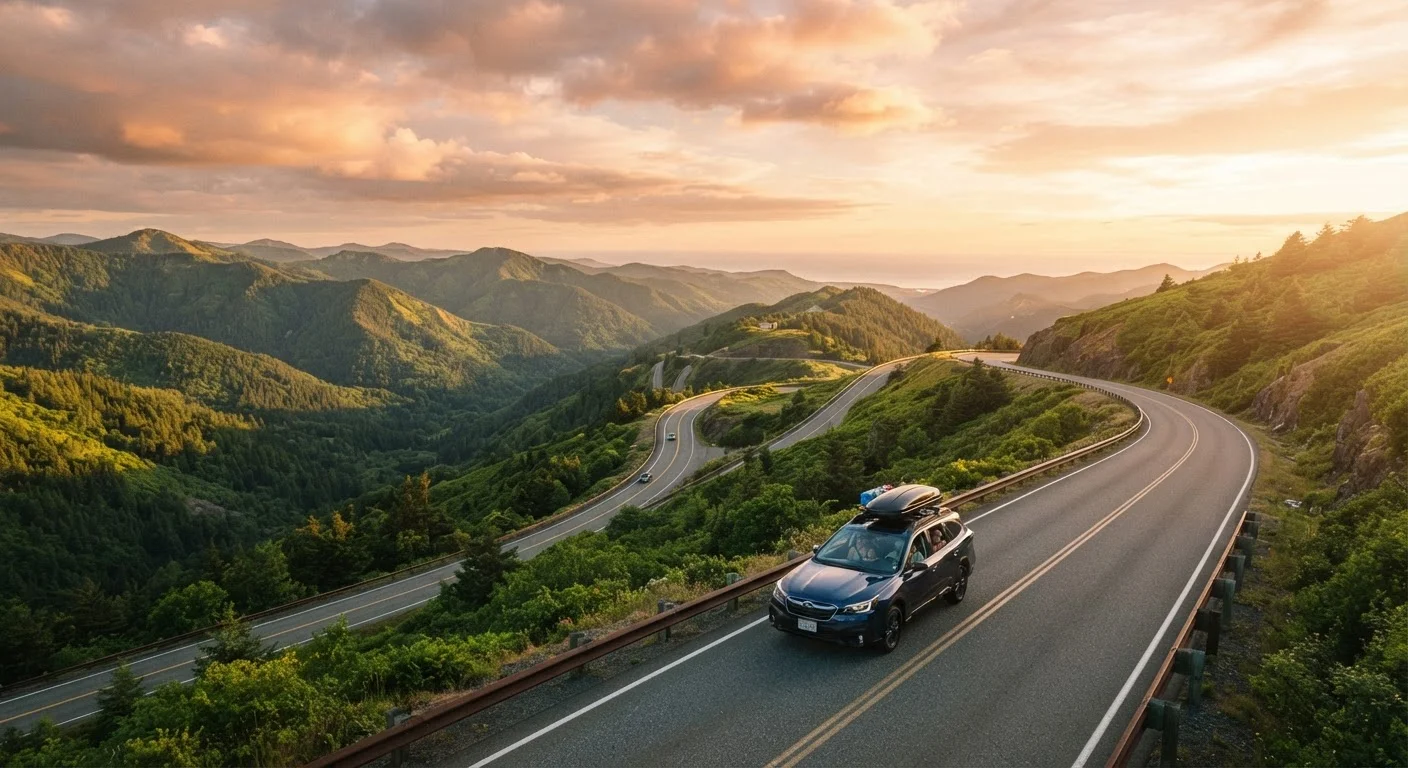
Photo credit: FaqBulletin.com | Information Made Easy
In this article
A complete walkthrough for turning a vague vacation idea into a detailed, stress-free family road trip plan.
Key Takeaways
- Nail down destination, travel dates, and total driving distance before booking anything.
- Cap daily driving at four to five hours when traveling with young children.
- Build a written budget that separates fixed costs from variable daily spending.
- Flexible accommodations with free cancellation protect you from last-minute changes.
- A printed or offline-accessible itinerary keeps the trip on track when cell service disappears.
Start With the Big Picture: Destination and Date
Every great family road trip begins with two anchor decisions: where you're going and when you're leaving. Before you research campgrounds or download mapping apps, get everyone in the household to agree on a general direction — beach, mountains, national parks, a cluster of cities — so your planning has a coherent center of gravity.
Consider your kids' ages and attention spans honestly. A toddler and a twelve-year-old have fundamentally different thresholds for time in the car and patience at historical sites. The same destination can work brilliantly or backfire based on how you pace it. Our guide to avoiding overscheduling offers practical principles for matching your pace to your family's reality.
On dates: school calendars, local events at your destination, and seasonal weather all interact. Peak travel periods raise accommodation prices and crowd popular sites. Shoulder seasons — late spring and early fall — often offer milder crowds, comfortable temperatures, and better availability without sacrificing the experience. Check the destination's general seasonal patterns and any major local events before locking in your window.
Involve kids in the destination vote, even in a small way — letting them pick one stop or activity creates genuine buy-in and reduces the "are we there yet" energy significantly.
Children who feel ownership over a trip are more patient participants. Travel educators and family therapists broadly support giving kids age-appropriate agency in shared decisions.
Book your midpoint overnight stop before your first and last nights — midpoint availability disappears fastest in popular corridor towns between major cities.
Accommodation demand along high-traffic road trip corridors (e.g., I-40 towns, I-95 stops) spikes during peak travel seasons, with smaller towns having fewer options to absorb overflow.
Setting a Realistic Budget
Budget planning is where many family road trips quietly go sideways. Families often account for fuel and lodging but underestimate food, activities, and the small purchases that accumulate — tolls, parking, snacks, souvenirs, a replacement phone charger at a highway rest stop.
Build your budget in layers:
- Fixed costs: Fuel (estimate miles ÷ average MPG × current regional gas price), lodging per night × number of nights, any pre-purchased park passes or attraction tickets.
- Variable daily costs: Meals, incidentals, activities not booked in advance.
- Emergency buffer: A cushion of roughly 10–15% of total estimated cost for the unexpected — a flat tire, a sick day that changes your route, a motel stay you didn't plan for.
For general financial planning guidance, note that budgeting is a personal exercise and what works for one family depends heavily on their circumstances. See our complete trip-planning guide for a broader look at how budgeting fits into the full planning cycle.
~$500
Average daily family road trip spend
AAA has historically estimated that a family of four on a domestic road trip spends roughly $400–$600 per day when accounting for fuel, food, lodging, and activities.
2 hrs
Recommended max stretch between stops with kids
Pediatric travel and child development guidance consistently suggests breaks every 90–120 minutes for young children to manage restlessness and reduce car sickness risk.
Mapping Your Route and Daily Driving Limits
With a destination and rough budget established, plot your route — but don't just map the fastest path. The most rewarding family road trips treat the drive itself as part of the experience, not dead time between stops.
A practical starting point: limit daily driving to four to five hours with young children, which typically translates to 200–250 miles depending on terrain and speed limits. Beyond that threshold, fatigue, restlessness, and general cabin-fever set in fast. Splitting longer distances across extra days costs a little more in lodging but pays off enormously in mood and memory.
Identify waypoint stops every 90 minutes to two hours — a roadside park, a small-town diner, a scenic overlook. These micro-breaks reset everyone's patience and create the spontaneous moments families often remember most. If your route crosses the Southwest, our American Southwest family travel reference covers distances, elevation notes, and kid-friendly stops across Arizona, Utah, New Mexico, and Nevada.
Also consult our road trip pitfalls guide before finalizing your route — skipping fuel stops and ignoring weather are among the most common mistakes that derail otherwise solid plans.
Booking Accommodations Strategically
Accommodation choices shape the entire rhythm of your trip. Hotels with pools can be a genuine morale booster after a long driving day. Vacation rentals with a kitchen and laundry let families save money on meals and manage logistics more easily. Campgrounds add adventure and cut costs significantly but require more planning around gear and setup time.
Whatever you choose, prioritize free cancellation options wherever available. Itineraries shift — especially with children — and being locked into non-refundable bookings removes the flexibility that makes family travel manageable. Book your first and last nights firmly; consider leaving middle nights slightly more flexible if the route allows.
For families new to the planning process, our logistics primer for first-time family travelers walks through booking order and how to think about contingency planning before you hit the road.
Building the Day-by-Day Itinerary
A family itinerary that looks great on paper often collapses on contact with actual children. The fix isn't to plan less — it's to plan looser. For each day, anchor on one or two non-negotiable activities and leave the rest open. If everyone's energized, add something spontaneous. If the kids are melting down, skip the optional stop without guilt.
Structure each travel day around a realistic departure time. Families with young children rarely get moving by 7 a.m. as optimistically planned. Assume a 9 a.m. departure and build driving time and stops from there. End each day's driving well before dinner so arrival doesn't become a stressful scramble.
Our itinerary-building guide goes deeper on daily scheduling strategy, including how to account for nap times, meltdowns, and the joyful chaos of spontaneous detours. For a detailed destination guide to inspire individual days, browse our destinations hub.
Packing, Safety, and Final Prep
In the final week before departure, shift from planning mode to preparation mode. A well-packed car reduces stress considerably — not just because everything fits, but because you can find what you need without excavating the trunk at a rest stop. See our car-packing guide for strategies on loading the vehicle so everything fits and nothing gets forgotten.
On the safety side:
- Schedule a vehicle check (tire pressure, oil, coolant, wipers) before departure — or have a qualified mechanic do it if you're not comfortable assessing these yourself.
- Download offline maps for your full route. Cell service gaps are common in rural stretches, and a downloaded map works without data.
- Carry a printed copy of your itinerary, accommodation confirmations, and emergency contacts. Apps are convenient until your phone dies mid-canyon.
- Pack a basic first-aid kit, any prescription medications in clearly labeled containers, and a list of pediatric urgent-care locations along your route.
For entry requirements, border crossings, or travel advisories — particularly relevant for US families traveling to Canada, Mexico, or US territories — always verify current requirements with official government sources before you go, as these can change without notice.
With a destination chosen, a budget set, a route mapped, accommodations booked, and bags packed, you've transformed a vague idea into a real family adventure. The open road is genuinely one of the best classrooms a family can share — enjoy every mile of it.

Author
Travel Editorial Team
Travel Editorial Team is the collective byline for our editorial team and contributor network. Articles published under this byline or an editorial pen name are researched, written, and reviewed according to our editorial standards for clarity, consistency, and independence before publication.
View all articles →