
Packing the Car for a Family Trip Without Losing Your Mind
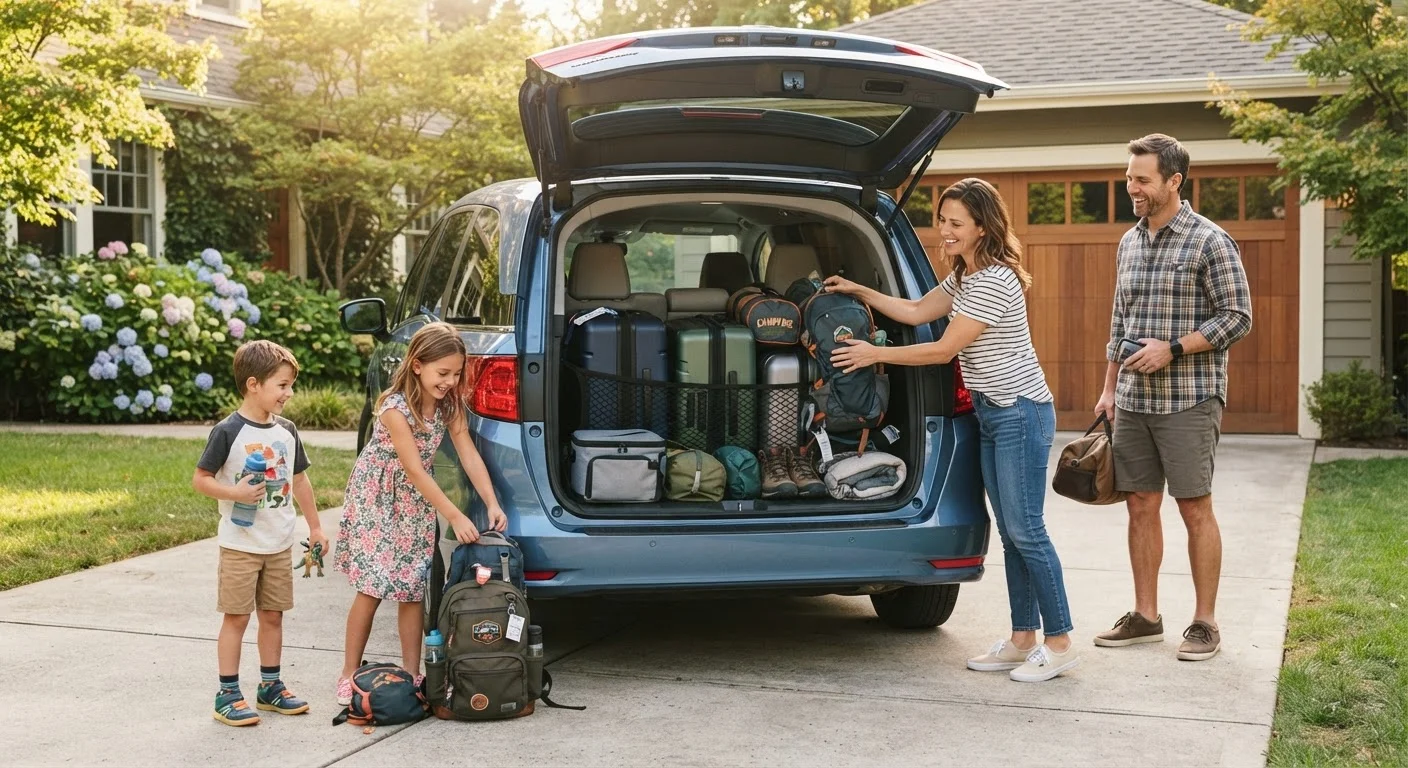
Photo credit: FaqBulletin.com | Information Made Easy
In this article
Practical strategies for loading up the vehicle so everything fits, nothing gets forgotten, and the kids stay comfortable.
Key Takeaways
- Load the car in deliberate zones — heaviest items first, kid-accessible items last.
- A packing checklist built the night before dramatically reduces forgotten essentials.
- Designate a single in-cabin bag for snacks, entertainment, and comfort items kids can reach.
- Car seat positioning and load distribution affect both safety and driving comfort.
- Overpacking is the most common mistake — plan outfits and gear with ruthless intentionality.
Why Car Packing Deserves a Real Strategy
Most family road trip stress doesn't start on the highway — it starts in the driveway, with too much stuff and too little system. The average family packs 20 to 30 percent more than they actually use, according to travel organization researchers, which means wasted space, harder loading, and more unpacking at every stop.
A structured approach to loading the car pays dividends the entire trip. It keeps items accessible when you need them, protects against shifting cargo during hard stops, and reduces the pre-departure arguments that set a negative tone before you've left the neighborhood. For the bigger picture on managing road trip logistics, road trip pitfalls to avoid is worth a read before you plan your route.
Cargo net or trunk organizer
Keeps luggage and loose items from shifting during the drive.
Roof cargo carrier or cargo box
Expands storage capacity for bulky items like strollers or sports gear.
Packing cubes
Compress clothing and keep each person's items separated and easy to find.
Soft-sided duffel bags
Conform to irregular trunk shapes more efficiently than hard-shell luggage.
Backseat organizer
Hangs from headrests to give kids easy access to snacks, wipes, and entertainment.
Small first-aid kit
Handles minor cuts, headaches, and motion sickness during the drive.
Step-by-Step: Loading the Car Like You Mean It
The steps below move from planning through execution. Follow them in order and you'll load more efficiently, forget fewer things, and arrive at your destination with the energy to actually enjoy it.
What you will need
Build your master packing list two days before departure
Waiting until the morning of departure to figure out what you need is a recipe for forgotten chargers, missing sunscreen, and last-minute chaos. Two days out, sit down and build a categorized list: clothing, toiletries, documents, entertainment, snacks, safety items, and gear specific to your destination.
Assign each family member their own section. Older kids can check off their own items — it builds ownership and catches things parents miss. For a pre-departure document and safety checklist, the everything families need to verify before crossing state lines is a solid reference.
Gather and stage all gear before touching the car
Bring everything to one location — a garage floor, living room, or driveway — before loading a single bag. This staging step lets you see the full picture, catch duplicates, and make deliberate cuts. It's far easier to leave something behind on the floor than to unpack a loaded trunk.
This is also the moment to eliminate. Ask: does this item justify the space it takes? A bulky board game nobody will play is dead weight. Physical activity gear you'll actually use every day earns its spot.
Load the trunk in order: heaviest first, then medium, then soft
Start with the heaviest, largest bags directly against the back seats or the cargo floor. Suitcases and large duffels form your base layer. Mid-weight items — a bag of shoes, a small cooler, a backpack — go next. Soft items like pillows, sleeping bag rolls, or bundled jackets fill gaps and odd corners.
Keep the load balanced left to right where possible. Asymmetric loading can affect vehicle handling, particularly on longer trips or when towing. Use a cargo net or organizer to keep everything snug against hard braking.
Set up the 'road bag' for in-cabin access
This is the single most important habit for keeping the drive sane. Pack one bag — ideally a small backpack or tote — with everything the family will need without stopping: snacks, wipes, a change of clothes for the youngest child, motion sickness remedies, a phone charger, and any must-have entertainment items.
This bag rides in the cabin, not the trunk. A backseat organizer keeps it structured and within kids' reach without turning the back seat into a landfill. For ideas on keeping children engaged during long stretches, see keeping kids engaged on long drives.
Do a final walk-around and security check
Before pulling out of the driveway, walk around the vehicle. Check that the trunk or hatch is fully latched, that roof cargo is secured (if applicable), and that nothing is sitting on the roof or hood. Inside, confirm that car seats are properly installed and that no loose heavy objects are within the passenger zone.
Also verify your roadside emergency supplies are accessible — not buried under four bags at the bottom of the trunk. A quick five-minute check here prevents a much bigger headache 200 miles down the road.
Car Seat Safety Cannot Be Compromised
Never stack luggage or loose items in a way that could shift into car seat zones during braking. Unsecured cargo in the cabin is a serious safety hazard. See our guide to child passenger safety for seat positioning guidance, and always verify your setup before departure.
Pack Outfits, Not Options
One of the fastest ways to overpack is loading extra 'just in case' clothing. Plan specific outfits for each day plus one or two extras for spills or weather changes. This single habit can cut your luggage weight by a third and free up real trunk space.
Roof Carriers Affect Fuel Economy and Handling
A loaded rooftop cargo box increases wind resistance and raises the vehicle's center of gravity — both worth accounting for, especially on winding roads or in crosswinds. Check your vehicle's roof load rating in the owner's manual before adding weight up top, and never exceed the manufacturer's limit.
Keeping the Trip Running Smoothly Once You're Rolling
Good packing sets you up, but the drive itself requires its own rhythm. Build in scheduled stops every 90 minutes to two hours — kids and adults both benefit from movement breaks, and they prevent the desperation that leads to unsafe rushing. If you haven't already mapped your stops and backup options, building an itinerary that works for real children walks through how to build flexibility into your schedule.
Keep the road bag replenished at each stop. Swap out finished snacks, restock wipes, and put retrieved items back in their designated spots rather than letting the cabin devolve into chaos. A five-minute reset at every fuel stop keeps the second half of the drive as manageable as the first.
For broader guidance on what to expect when hitting the road with kids for the first time, traveling with children honestly assessed offers a grounded, experience-based perspective from families who've done it.

Author
Travel Editorial Team
Travel Editorial Team is the collective byline for our editorial team and contributor network. Articles published under this byline or an editorial pen name are researched, written, and reviewed according to our editorial standards for clarity, consistency, and independence before publication.
View all articles →