
Road Trip Pitfalls That Turn Scenic Drives Into Stressful Slogs
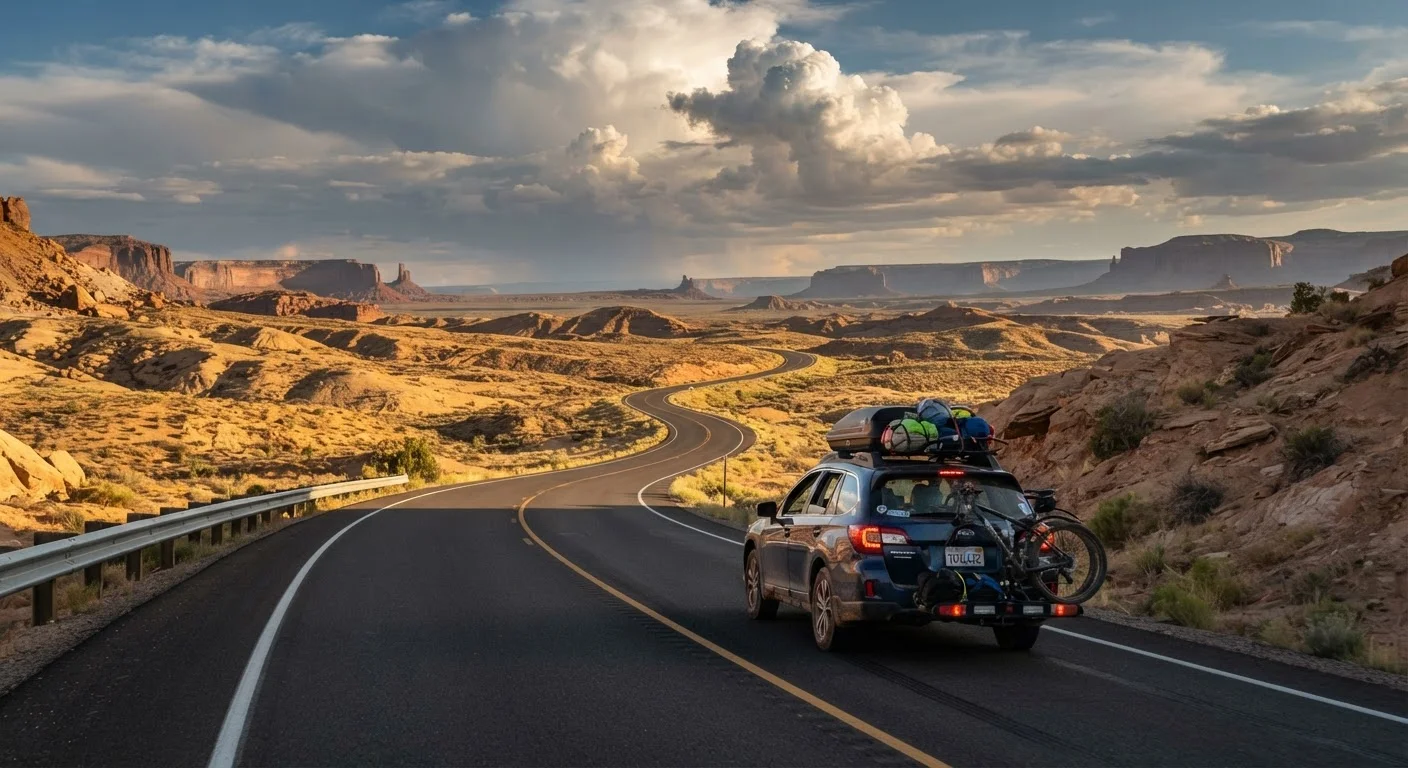
Photo credit: FaqBulletin.com | Information Made Easy
Skipping fuel stops, overloading itineraries, ignoring weather—here's what derails road trips and how to steer clear.
Key Takeaways
- Overloaded itineraries are the single most common reason road trips feel exhausting instead of fun.
- Skipping a vehicle safety check before departure puts families at real risk of breakdowns.
- Fuel planning matters most in remote stretches where stations are far apart.
- Weather and road conditions along your route can shift dramatically — always check ahead.
- Realistic budgeting for incidentals prevents financial stress mid-trip.
Why Even Well-Planned Road Trips Go Sideways
Road trips carry a particular brand of optimism — you've mapped the route, booked the hotels, and built a playlist. Then reality intervenes: a missed fuel stop, a weather detour, or an itinerary that looked manageable on paper but feels brutal on day two. Most road trip headaches aren't caused by bad luck. They're caused by a predictable set of planning gaps that are entirely fixable.
For families navigating the trip planning process, understanding what goes wrong — and why — is half the battle. The other half is building a few simple habits before you ever leave the driveway.
Cramming too many stops into each driving day.
Why it happens: Travelers underestimate drive times between points of interest and overestimate how much energy sightseeing actually burns.
Skipping a pre-departure vehicle inspection.
Why it happens: Families are focused on packing and logistics and assume the car is fine because it drove to work last week.
Assuming fuel will always be available when needed.
Why it happens: Drivers used to suburban driving expect station density that simply doesn't exist in rural or wilderness corridors.
Ignoring weather and road condition forecasts.
Why it happens: Route planning happens weeks or months ahead, when checking real-time conditions feels premature — and then gets forgotten.
Underbudgeting for incidentals and unplanned stops.
Why it happens: Trip budgets typically account for gas, lodging, and meals — but not tolls, parking, last-minute lodging upgrades, or attraction entry fees.
Relying entirely on a single navigation app with no offline backup.
Why it happens: Smartphones handle navigation so well in cities that travelers forget signal is sparse across large portions of the US.
The Itinerary and Navigation Traps
Overscheduling is the road trip mistake that disguises itself as enthusiasm. When every hour is accounted for, any delay — road construction, a longer lunch, a child who needs a break — creates a domino effect that leaves everyone frustrated. The antidote isn't doing less; it's building breathing room intentionally. Our piece on keeping trips memorable without overscheduling breaks down exactly how pacing shifts the whole mood of a family vacation.
Navigation overconfidence is a quieter pitfall. Rural stretches across the Southwest, Great Plains, and Mountain West regularly drop cell signal for extended periods. A driver who has never downloaded offline maps and suddenly loses connectivity on a lonely Nevada two-lane is in a genuinely stressful situation. If you're planning a drive through a region like the Four Corners, our American Southwest road travel reference includes key distances and junction towns worth noting before you lose bars.
Weather Can Change Without Warning
Mountain passes, desert highways, and coastal routes all carry weather risks that don't show up on a basic forecast. Flash flooding, sudden snowfall, and dense fog can close roads within hours. Check state DOT alerts and the National Weather Service for your corridor the night before and morning of each driving day — not just at trip-planning time.
Protecting your digital tools matters beyond navigation, too. Public Wi-Fi at rest stops and roadside motels carries real risks. Our guide on keeping devices and data safe while traveling covers what to watch for on the road.
Remote Fuel Gaps Are a Real Risk
In parts of the American Southwest, Nevada, and rural Montana, gas stations can be 60–100 miles apart or more. Running low on fuel in these stretches isn't just inconvenient — it can be genuinely dangerous. Always fill the tank before entering long rural corridors, even if the gauge reads half full.
The good news: none of these pitfalls require expensive solutions. A little pre-trip homework — offline maps downloaded, fuel stops plotted, weather bookmarked — transforms a reactive scramble into a confident drive. For a full framework that ties all of this together, our family road trip planner walks you from vague idea to solid itinerary, step by step.

Author
Travel Editorial Team
Travel Editorial Team is the collective byline for our editorial team and contributor network. Articles published under this byline or an editorial pen name are researched, written, and reviewed according to our editorial standards for clarity, consistency, and independence before publication.
View all articles →