
What Your Home Inspection Report Is Actually Telling You
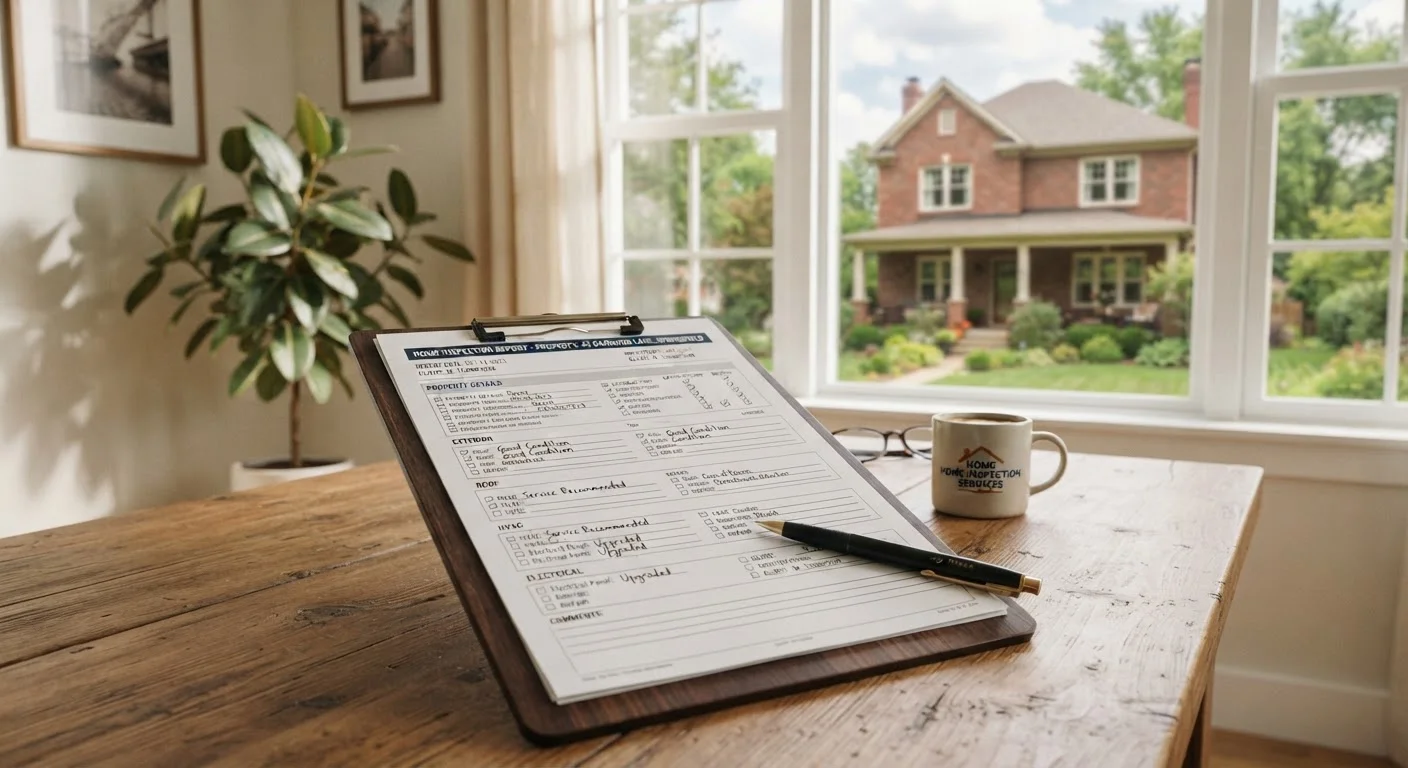
Photo credit: FaqBulletin.com | Information Made Easy
In this article
Decode the language of home inspection reports, understand severity ratings, and know which findings demand immediate action.
Key Takeaways
- Inspection reports describe conditions; they do not assign pass/fail grades to a home.
- Severity language — 'safety hazard,' 'major defect,' 'maintenance item' — signals how urgently you need to act.
- Items involving electrical, structural, or moisture issues warrant the fastest follow-up from qualified professionals.
- Many findings are routine maintenance items that any homeowner can address over time.
- The report is a negotiation tool and a future maintenance roadmap, not just a deal-breaker checklist.
How Inspection Reports Are Organized
Most inspection reports follow a system-by-system structure, covering major categories such as roofing, exterior, foundation, electrical, plumbing, HVAC, insulation, and interior finishes. Within each category, the inspector notes components examined, their observed condition, and any concerns. Many modern reports include photographs tied directly to the written finding — a significant help when you're reviewing the document days after the walkthrough.
Inspectors are trained to describe what they see, not to speculate about causes or predict future failures. When a report says the inspector "was unable to observe" a specific area, that means it was inaccessible — not that it was fine. Inaccessible areas (blocked attic hatches, finished basements, buried downspout extensions) are worth noting and revisiting later.
Just like decoding a check engine light, reading an inspection report is really about understanding what level of attention each finding demands — not panicking at the first item on the list.
Decoding Severity Language
The single most important skill for reading an inspection report is understanding how inspectors signal urgency. While exact terminology varies by inspector and software, most reports use a consistent set of categories:
- Safety Hazard: A condition that poses an immediate risk of injury or harm — exposed wiring, missing stair railings, inoperable smoke detectors. These require action before or immediately after occupancy.
- Major Defect: A significant failure or damage that affects the function of a system — a failing roof, a cracked heat exchanger in a furnace, active water intrusion in the basement. Major defects are strong candidates for negotiation and professional repair.
- Repair/Replace: Components that are no longer functional or are at end of service life. Examples include a non-working GFCI outlet or a water heater past its expected lifespan.
- Monitor: Conditions that are not immediately problematic but warrant observation over time — small cracks in concrete flatwork, surface rust on a water heater flue, minor caulking gaps.
- Maintenance Item: Routine upkeep that any homeowner should address — cleaning gutters, sealing a drafty door, trimming vegetation away from the house.
Prioritize by Consequence, Not Count
A report with 60 items isn't automatically worse than one with 15. Ask yourself: what happens if I do nothing about this for a year? A missing handrail is a quick fix; ignored moisture in a crawl space can become a structural problem. Sort your list by consequence, not quantity.
Understanding codes and what licensed trades are legally required to touch will help you act on report findings correctly. Our guide on permits, codes, and licensed trades walks through when professional involvement is required.
Which Findings Deserve Immediate Attention
Not every finding carries the same weight, but certain categories reliably demand faster follow-up regardless of the home's age or price:
- Electrical: Double-tapped breakers, aluminum branch wiring, absent GFCI protection in wet areas, and open junction boxes are fire and shock hazards. Always get a licensed electrician to evaluate these — do not attempt DIY repairs on panel or branch wiring issues.
- Structural and Foundation: Significant cracks with horizontal displacement, bowing walls, or evidence of settlement warrant a structural engineer's assessment, not just a general contractor's opinion.
- Moisture and Water Intrusion: Active leaks, staining consistent with ongoing water entry, or elevated moisture readings in crawl spaces and basements can lead to mold, rot, and structural deterioration. Pinpointing the source is essential before any remediation.
- HVAC: A cracked heat exchanger is a carbon monoxide risk and should be treated as a safety hazard. An aging but functional system may just need budgeting for replacement.
~86%
Home buyers who get a pre-purchase inspection
According to the American Society of Home Inspectors, the vast majority of home buyers in the U.S. commission an inspection before finalizing a purchase.
3–4 hours
Typical duration of a full home inspection
Average inspection time for a single-family home varies by size and age, but most inspectors recommend buyers allocate at least three hours to attend in full.
$300–$500
Typical inspection cost range
Costs vary by region, home size, and inspector; specialty add-ons like radon testing, sewer scoping, or mold sampling typically cost extra.
Items in the maintenance and monitor categories — while often the most numerous — are the ones most buyers overreact to. A long list of caulking gaps, dirty filters, and minor grading issues is normal for any lived-in home and should be viewed as a future to-do list rather than a crisis.
Using the Report as a Long-Term Roadmap
Once you close on a home, the inspection report becomes one of your most useful maintenance documents. Revisit it within the first six months to address items you agreed to handle yourself. Use the monitor-category findings to set calendar reminders — a small crack in a retaining wall noted today may look very different after a hard winter.
Prioritize by safety first, then by consequence: a minor roof flashing issue left unaddressed for a year can become a damaged ceiling, damaged insulation, and potential mold remediation — all significantly more expensive than the original repair. Inspectors often note the approximate age of major systems; use those observations to plan for upcoming replacements before they become emergencies.
Think of your report the way you'd think about any complex document that requires interpretation — whether that's an auto insurance policy or a financial disclosure. The language is specific for a reason, and understanding it puts you in control rather than leaving you guessing.
This article is for general informational purposes only. Always consult a licensed home inspector, qualified contractor, or other relevant professional before making decisions based on inspection findings.
Frequently Asked Questions

Author
Home & Garden Editorial Team
Home & Garden Editorial Team is the collective byline for our editorial team and contributor network. Articles published under this byline or an editorial pen name are researched, written, and reviewed according to our editorial standards for clarity, consistency, and independence before publication.
View all articles →