
Protein Sources Compared: Animal, Plant, and Dairy Options Side by Side
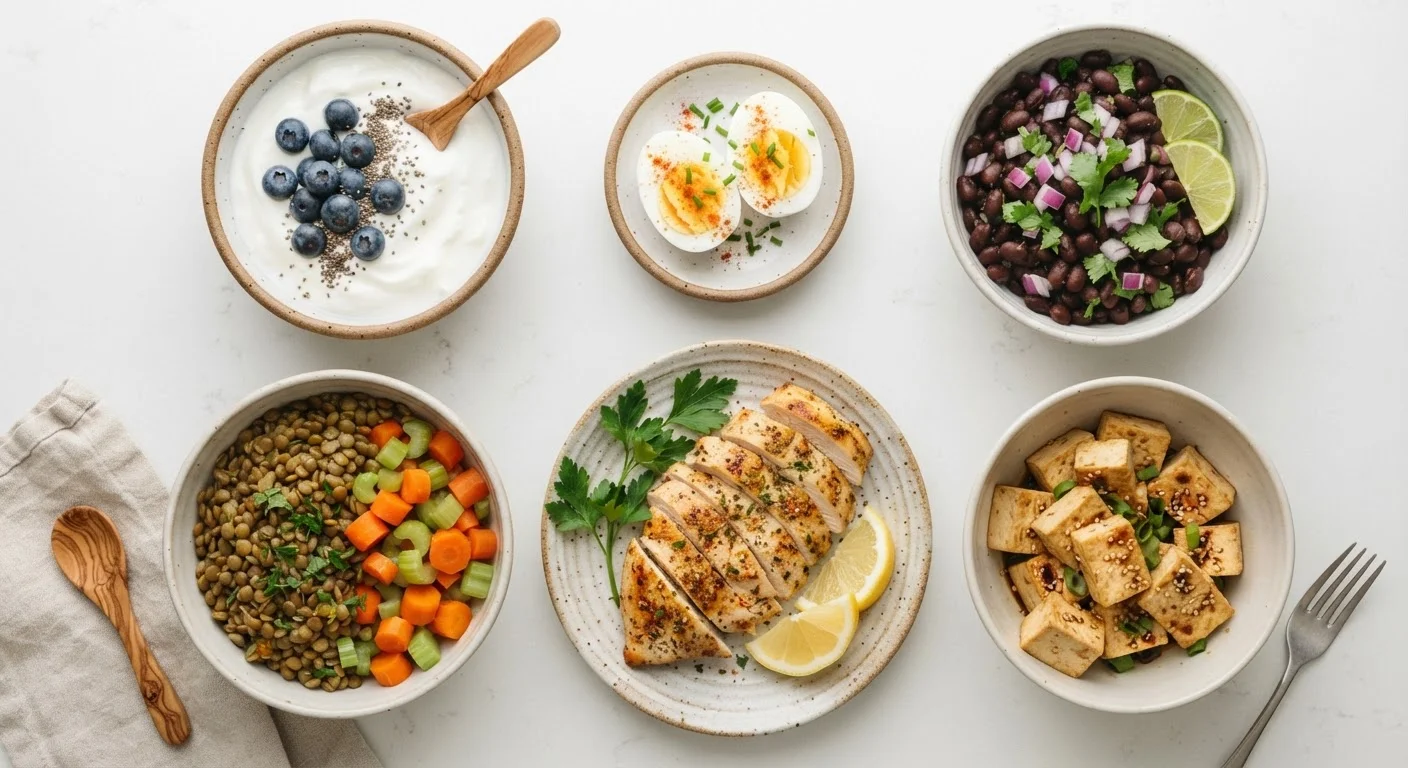
Photo credit: FaqBulletin.com | Information Made Easy
In this article
How do chicken, beans, tofu, and dairy stack up as protein sources? A factual comparison of amino acid profiles, digestibility, and everyday use.
Key Takeaways
- Animal proteins like chicken and eggs contain all essential amino acids your body cannot make on its own.
- Plant proteins such as beans and lentils are often incomplete but can be combined to meet amino acid needs.
- Dairy proteins offer a well-absorbed, complete amino acid profile along with calcium and other micronutrients.
- Digestibility scores differ meaningfully across sources, influencing how much protein your body actually uses.
- A varied diet drawing from multiple protein categories typically provides the most nutritional coverage.
Why Protein Quality Isn't One-Size-Fits-All
Protein is built from amino acids — 20 in total, nine of which are classified as essential because the human body cannot synthesize them and must obtain them through food. Not every protein source delivers all nine in adequate amounts, which is why the concept of protein quality, not just quantity, matters for everyday nutrition planning.
Two widely used scientific measures help compare quality across sources. The PDCAAS rates a protein based on its amino acid composition relative to human needs and how much is actually digested. Its successor, the DIAAS, is considered more precise because it accounts for absorption at the small intestine rather than the whole digestive tract. Both scales matter when evaluating how efficiently your body uses the protein you consume.
Understanding these distinctions helps households make informed choices — especially those eating well on a budget where every dollar spent on food should deliver strong nutritional return.
Animal Proteins: High Marks on Completeness and Absorption
Chicken breast, eggs, beef, and fish consistently score at or near the top of both PDCAAS and DIAAS scales. They provide all nine essential amino acids in proportions closely aligned with human requirements, and their digestibility rates typically exceed 90%. A 3.5-ounce serving of cooked chicken breast delivers roughly 31 grams of protein with minimal saturated fat, making it one of the more studied sources in sports and clinical nutrition research.
Eggs are particularly notable: the whole egg has historically been used as the reference standard against which other proteins are measured. Beyond amino acid profile, animal proteins supply nutrients that are harder to obtain from plants alone — heme iron (absorbed more readily than non-heme plant iron), vitamin B12, and zinc.
The nutritional trade-off involves accompanying fats and, for red and processed meats specifically, associations with cardiovascular health outcomes documented in large epidemiological studies. Preparation method also significantly influences the overall nutritional picture — a point explored further in our look at whole foods versus processed foods.
Plant Proteins: Fiber-Rich but Often Incomplete
Beans, lentils, chickpeas, tofu, edamame, and quinoa are the workhorses of plant-based protein. Most legumes are deficient in one or more essential amino acids — typically methionine — while grains tend to be low in lysine. This is why the concept of protein complementarity (pairing foods to fill amino acid gaps, such as rice and beans) has long been part of plant-based nutrition guidance. Importantly, these foods do not need to be combined at the same meal; meeting amino acid needs across the day is sufficient, according to established dietary science.
Soy-based foods — tofu, tempeh, edamame — are a notable exception: soy is one of the few plant proteins classified as complete, with a PDCAAS of 1.0, the maximum score. Plant proteins also bring dietary fiber, phytonutrients, and generally lower saturated fat, advantages that meaningfully contribute to overall diet quality.
| Animal (Chicken/Eggs) | Plant (Beans/Lentils) | Plant (Tofu/Soy) | Dairy (Greek Yogurt) | |
|---|---|---|---|---|
| Amino acid completeness | Complete | Incomplete (most) | Complete | Complete |
| Digestibility (DIAAS/PDCAAS) | Very high (>90%) | Moderate (60–80%) | High (~90%) | Very high (>90%) |
| Approx. protein per 3.5 oz serving | 27–31 g | 7–9 g (cooked) | 8–10 g | 9–10 g |
| Dietary fiber | None | High | Moderate | None |
| Saturated fat | Low–moderate | Very low | Very low | Low–moderate |
| Key micronutrients | B12, heme iron, zinc | Folate, non-heme iron | Calcium, isoflavones | Calcium, probiotics (if fermented) |
| Relative cost | Moderate | Low | Low–moderate | Moderate |
For households building structured weekly meals, planning balanced daily meals that include varied plant protein sources is a practical strategy for meeting nutritional needs without over-relying on any single food.
Dairy Proteins: A Well-Rounded Middle Ground
Dairy-derived proteins — primarily whey and casein — are both complete, highly digestible, and carry an impressive micronutrient profile. Greek yogurt and cottage cheese are among the most concentrated whole-food dairy protein sources, offering 15–20 grams per serving alongside calcium, phosphorus, and, in fermented products, live probiotic cultures.
Whey digests rapidly, which is why it is frequently studied in the context of muscle protein synthesis after exercise. Casein digests more slowly, providing a more sustained release of amino acids — a distinction that matters less for general health eating than is often suggested in popular media, but is worth noting for those with specific fitness or recovery goals.
For those with lactose intolerance, aged cheeses and strained yogurts are naturally lower in lactose and are tolerated by many people who cannot handle fluid milk. Those with a milk protein allergy (distinct from lactose intolerance) need to avoid dairy entirely and should consult a healthcare provider or registered dietitian for guidance tailored to their situation.
Mix Sources for the Broadest Coverage
Rotating among animal, dairy, and plant proteins throughout the week is a practical way to capture a wider range of amino acids, vitamins, and minerals. Even modest additions — a handful of edamame alongside chicken, or lentils added to a beef stew — meaningfully diversify your nutritional intake. This approach also aligns with guidance from major dietary frameworks emphasizing variety as a cornerstone of healthy eating.
This article provides general nutrition information and is not a substitute for personalized medical or dietary advice. Consult a qualified healthcare professional or registered dietitian for guidance specific to your health needs.

Author
Health & Wellness Editorial Team
Health & Wellness Editorial Team is the collective byline for our editorial team and contributor network. Articles published under this byline or an editorial pen name are researched, written, and reviewed according to our editorial standards for clarity, consistency, and independence before publication.
View all articles →