
Healthy Eating on a Budget: Nutritional Value by Dollar Spent
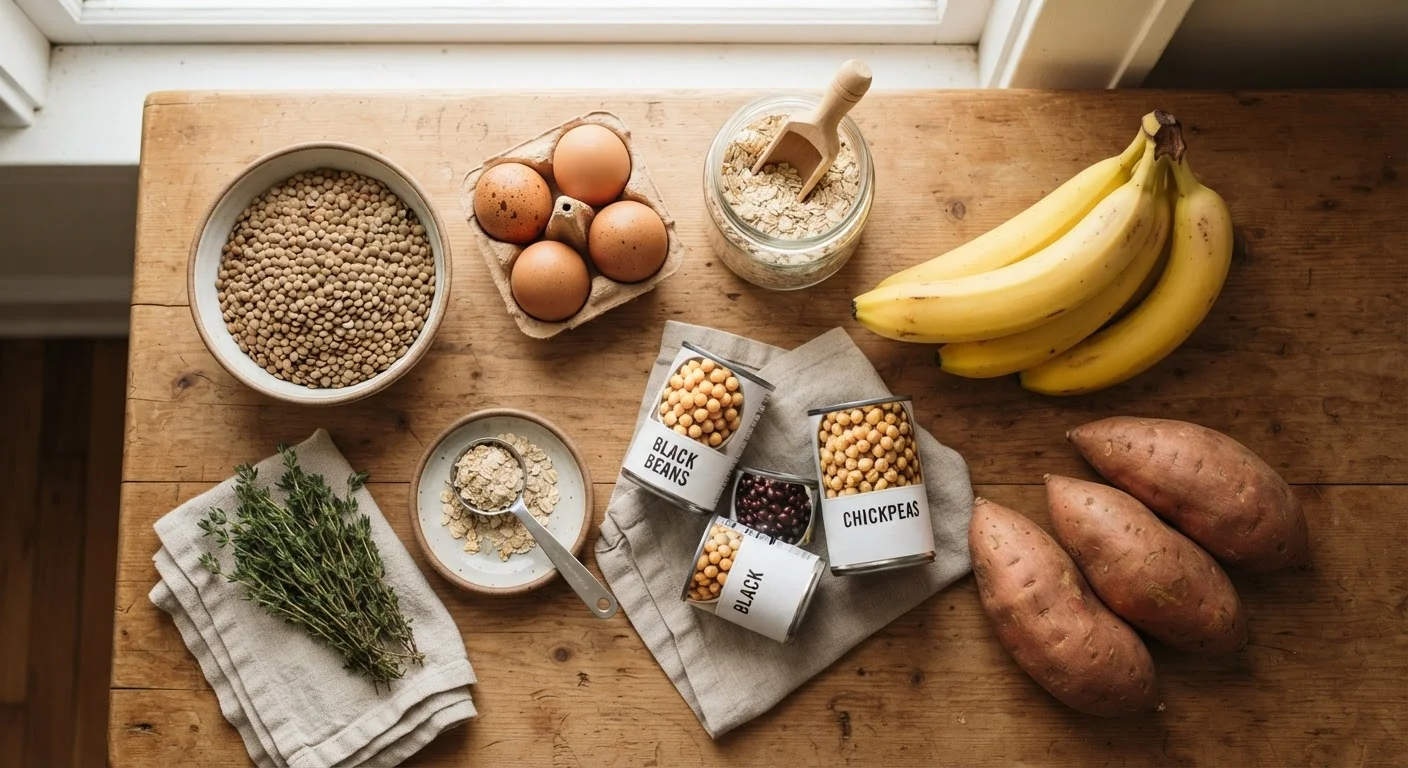
Photo credit: FaqBulletin.com | Information Made Easy
In this article
Nutrient-dense eating doesn't require a premium grocery bill. Explore which affordable staples consistently deliver strong nutritional value.
Key Takeaways
- Several common, inexpensive foods consistently deliver exceptional nutritional value per dollar spent.
- Plant-based proteins like lentils and canned beans often outperform pricier options in cost-per-gram of protein.
- Frozen vegetables retain most of their nutrients and typically cost less than fresh equivalents.
- Eggs remain one of the most nutrient-complete and affordable foods available in most US grocery stores.
- Strategic pantry staples can anchor a household diet that is both balanced and budget-conscious.
Nutrition Doesn't Have to Cost More
A persistent myth in American households is that eating well is inherently expensive. In reality, some of the most nutrient-dense foods available sit at the lower end of the grocery price spectrum. Understanding which staples punch above their weight nutritionally — and why — can help any household eat better without stretching the budget.
This isn't about eating less or following a restrictive plan. It's about making informed choices at the store. If you're new to thinking about macronutrients, vitamins, and minerals, our nutrition fundamentals guide provides a solid foundation. For those ready to put these staples into practice across a full week of meals, see how to build meals that cover your nutritional bases.
Below are eight affordable staples that nutrition science consistently identifies as high-value — along with what makes each one worth keeping in your kitchen.
Lentils
Lentils are among the most cost-effective protein sources in any grocery store. A one-pound bag of dry lentils — typically under two dollars — yields roughly ten cups of cooked lentils, providing around 18 grams of protein and 16 grams of fiber per cooked cup. They also supply meaningful amounts of iron, folate, and potassium.
Unlike many dried legumes, lentils require no soaking and cook in under 30 minutes, making them practical for weeknight meals. For a side-by-side comparison with animal and dairy proteins, see protein sources compared.
A single pound of dry lentils yields roughly ten cups of cooked, fiber- and protein-rich food.
Eggs
Eggs are frequently cited by nutrition researchers as one of the most complete single foods available. Each large egg delivers about 6 grams of high-quality protein containing all nine essential amino acids, plus choline (important for brain function), vitamin D, B12, and selenium — all for roughly 20–30 cents per egg depending on your region and store.
The yolk contains the majority of the micronutrients, so consuming whole eggs captures the full nutritional profile. Eggs are also one of the few dietary sources of naturally occurring vitamin D.
Eggs supply all nine essential amino acids plus choline and vitamin D at under 30 cents each.
Rolled Oats
Plain rolled oats (not flavored instant packets) cost very little per serving and deliver a meaningful nutrient load: complex carbohydrates, beta-glucan soluble fiber, magnesium, phosphorus, and a moderate amount of protein. Beta-glucan, specifically, has been associated in multiple studies with supporting healthy cholesterol levels when consumed regularly as part of a balanced diet.
A large canister of rolled oats provides weeks of breakfasts at a cost that rivals few other foods. They also function well in savory dishes and as a binder in cooking.
Rolled oats deliver complex carbohydrates, soluble fiber, and key minerals at minimal cost per serving.
Canned Beans
Black beans, kidney beans, chickpeas, and pinto beans in canned form offer shelf-stable, ready-to-use nutrition at roughly one dollar per can. Each half-cup serving provides around 7–8 grams of protein, 6–8 grams of fiber, and a range of minerals including magnesium and potassium. Rinsing canned beans under water reduces sodium content substantially.
Beans serve as a reliable base for soups, grain bowls, tacos, and salads — making them one of the most versatile budget staples a household can stock.
Rinsing canned beans removes a significant portion of added sodium without sacrificing any nutritional value.
Frozen Vegetables
Frozen vegetables are harvested at peak ripeness and flash-frozen quickly, which research indicates preserves most water-soluble vitamins like vitamin C and folate effectively. In many cases, frozen spinach, broccoli, peas, and mixed vegetables contain comparable — and sometimes higher — nutrient levels than fresh produce that has been stored for several days.
Cost-per-serving is consistently lower than fresh equivalents, and the absence of spoilage risk makes frozen vegetables a practical choice for households that don't shop daily.
Flash-freezing at peak ripeness means frozen vegetables often retain as much nutrition as fresh.
Sweet Potatoes
Sweet potatoes are an exceptional source of beta-carotene — the precursor to vitamin A — along with vitamin C, potassium, and dietary fiber. A medium sweet potato costs well under a dollar in most US markets and provides a substantial portion of the recommended daily intake of vitamin A.
They're naturally sweet, which makes them appealing to children, and they work across a wide range of preparations: baked, mashed, roasted, or added to soups and stews.
One medium sweet potato can supply a large portion of the daily recommended intake for vitamin A.
Canned Sardines or Mackerel
Canned fatty fish — particularly sardines and mackerel — are among the most affordable sources of omega-3 fatty acids (EPA and DHA), which are the forms most readily used by the body. They also provide vitamin D, vitamin B12, calcium (from edible bones in sardines), and high-quality protein, all in a shelf-stable format that costs roughly one to two dollars per can.
Omega-3 intake from fatty fish is supported by nutritional guidelines from major public health organizations as part of a heart-health-conscious diet.
Canned sardines pack omega-3s, vitamin D, B12, and calcium into one of the cheapest proteins available.
Bananas
Among fresh fruits, bananas are reliably inexpensive year-round, typically priced under 25 cents each. They provide potassium, vitamin B6, vitamin C, and quick-digesting carbohydrates. Their natural portability makes them a practical snack option for households with children or active adults.
Overripe bananas — often reduced in price — retain full nutritional value and are ideal for baking or blending, reducing food waste while stretching the grocery dollar further.
Bananas offer potassium, B6, and vitamin C at a consistent low price year-round across US grocery stores.
Putting It All Together
These staples share a common trait: they're flexible. Oats work at breakfast, lentils anchor a dinner, frozen spinach disappears into a smoothie or soup. That versatility means less food waste and more opportunities to layer nutrients across the day without planning every meal from scratch.
Boost Absorption With Simple Pairings
You can improve how your body absorbs certain nutrients through intentional food combinations. Pairing plant-based iron sources like lentils or spinach with a small amount of vitamin C — from tomatoes, bell peppers, or citrus — can enhance iron uptake. Similarly, consuming fat-soluble vitamins (A, D, E, K) alongside a healthy fat source, such as a drizzle of olive oil, helps the body absorb them more efficiently. These pairings don't require planning complex meals — they arise naturally when cooking with varied whole foods.
Pairing these foods strategically also matters. For example, combining plant-based iron sources (lentils, spinach) with a vitamin C-rich food (like canned tomatoes or a citrus squeeze) can enhance iron absorption — a principle well-supported by nutritional research. For a deeper look at how cooking methods affect what you actually absorb, see how preparation methods change what's in your food.
Keeping grocery costs in check without sacrificing quality also involves store habits beyond what you buy. Strategies like unit pricing, store-brand comparisons, and meal planning are covered in grocery budget discipline strategies — a practical companion to this nutritional framework.
This article is for general informational and educational purposes only and is not a substitute for professional medical or dietary advice. Nutritional needs vary by individual. Consult a qualified healthcare provider or registered dietitian before making significant changes to your diet.

Author
Health & Wellness Editorial Team
Health & Wellness Editorial Team is the collective byline for our editorial team and contributor network. Articles published under this byline or an editorial pen name are researched, written, and reviewed according to our editorial standards for clarity, consistency, and independence before publication.
View all articles →