
Your First International Trip: A Ground-Up Guide to Crossing Borders Confidently
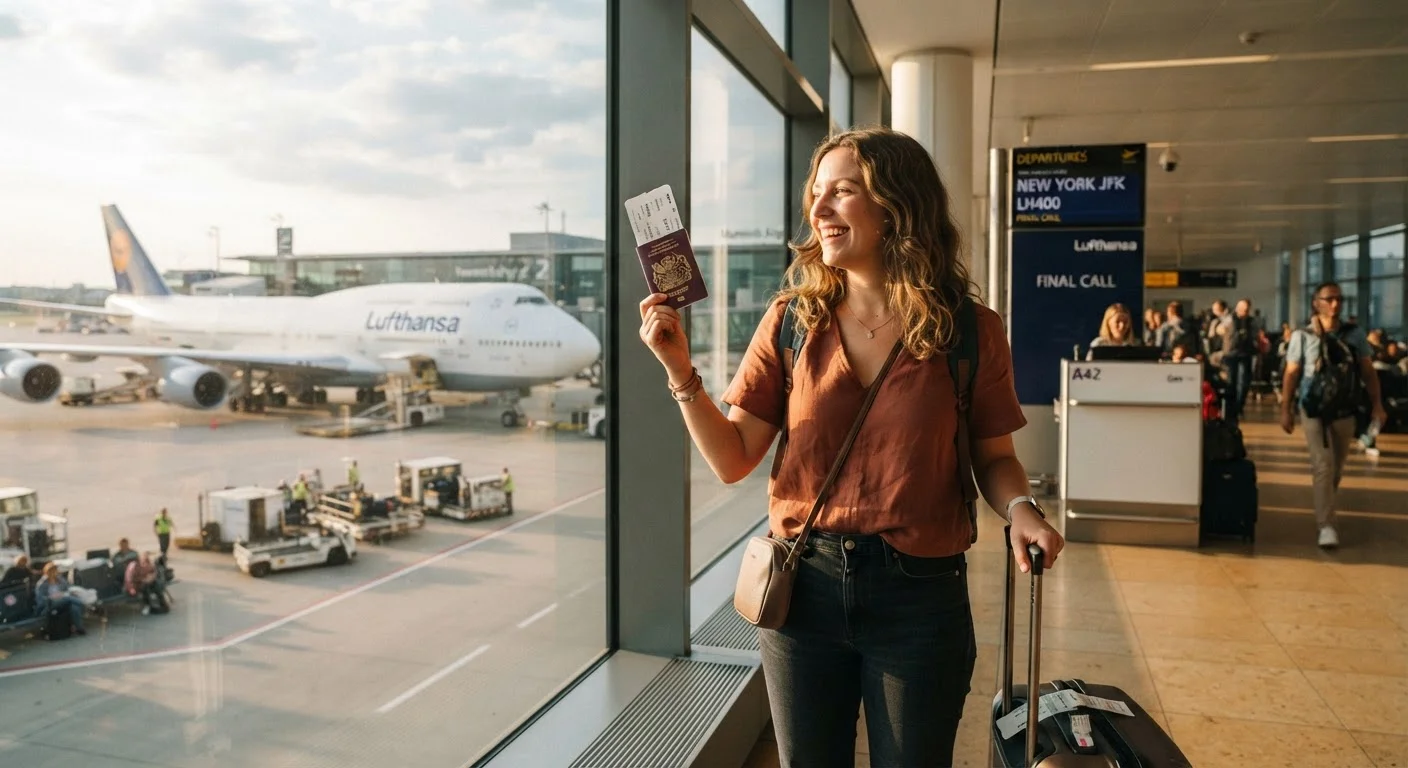
Photo credit: FaqBulletin.com | Information Made Easy
In this article
Passports, customs, currency, jet lag—here's everything a first-time international traveler needs to know before leaving home.
Key Takeaways
- A valid passport with at least six months of remaining validity is required for most international destinations.
- Notify your bank before departure and carry a mix of local currency and a low-fee card.
- Always declare items at customs — honesty avoids fines, delays, and confiscated goods.
- Adjusting to local time as quickly as possible is the most effective jet lag strategy.
- Keep digital and physical copies of every critical document stored separately from originals.
- Verify entry requirements — visas, vaccinations, and advisories — with official government sources before you travel.
Documents You Absolutely Cannot Leave Without
Your passport is the foundation of every international trip. Most countries require it to be valid for at least six months beyond your travel dates — a passport expiring in three months can get you turned away at the gate even if it's technically still valid. Check expiration dates early and apply for renewal well ahead of time at travel.state.gov.
Beyond the passport, research whether your destination requires a visa. Many countries grant US citizens a visa-free stay of 30 to 90 days, while others require advance applications or visa-on-arrival fees. The State Department's country information pages and the destination country's official embassy website are the authoritative sources — always verify before you book.
Passport validity
The period during which your passport is officially recognized. Most countries require at least six months of validity beyond your travel dates, even if your passport hasn't technically expired.
Visa
An official authorization — stamped or affixed to your passport, or issued digitally — that permits you to enter a specific country for a defined purpose and length of time.
Customs declaration
A form completed on arrival in a new country that lists items you're bringing in, such as food, large sums of cash, or commercial goods. Declaring items honestly is required by law.
Foreign transaction fee
A surcharge some banks add to purchases made in a foreign currency, typically 1–3% per transaction. Cards without this fee save meaningful money on longer trips.
Jet lag
Physical and mental fatigue caused when your body's internal clock hasn't yet adjusted to a new time zone. Common symptoms include difficulty sleeping, daytime drowsiness, and reduced concentration.
STEP (Smart Traveler Enrollment Program)
A free US State Department service that registers your overseas trip so the nearest US embassy can contact you during emergencies, natural disasters, or civil unrest.
Make two copies of your passport photo page, travel insurance confirmation, and any visas: one physical copy stored separately from the originals, and one set of digital scans saved to secure cloud storage or emailed to yourself. If something goes wrong, those copies become invaluable. For families heading out together for the first time, see our companion guide on planning a family trip abroad for the first time for a full document checklist.
Money Across Borders: Currency, Cards, and Exchange
Walking into a foreign country with only a US debit card and no local currency is a recipe for a stressful first hour. Before departure, notify every bank and card issuer about your travel dates — skipping this step is one of the most common reasons cards get blocked abroad.
Arrive with a small amount of local currency in hand. Airport currency exchange kiosks are convenient but typically charge high fees; withdrawing from a local ATM once you land usually gives you a better rate. If your checking account charges foreign ATM fees, consider opening a travel-friendly account before your trip — many online banks reimburse ATM fees internationally.
For spending, use a credit card with no foreign transaction fees whenever merchants accept cards, and keep local cash for small vendors, transportation, and markets that don't take cards. Budgeting for travel is its own skill set; our guide on building your first family budget can help you set realistic trip spending limits before you leave.
Use ATMs Strategically — Not Impulsively
Withdraw larger amounts less frequently rather than making many small withdrawals — each transaction may carry a flat fee. Look for ATMs affiliated with major banks rather than standalone kiosks in tourist areas, which often charge higher fees and may offer less favorable exchange rates.
Navigating Customs and Immigration Like a Pro
For most first-timers, the immigration and customs queue is the most anxiety-inducing part of crossing a border. The good news: the process is straightforward when you know what to expect.
Immigration happens first. An officer checks your passport, visa (if required), and sometimes asks about the purpose and duration of your stay. Answer clearly and briefly — you don't need to over-explain. Have your return ticket and accommodation address handy, as officers occasionally ask for both.
Customs comes after you collect your luggage. You'll typically complete a declaration form (or a digital version on arrival) listing any restricted or dutiable goods: food products, large amounts of cash (generally over $10,000 USD equivalent), commercial merchandise, or agricultural items. Declare everything you're unsure about. The customs officer makes the final call, and honesty consistently works in travelers' favor. Attempting to conceal items risks fines or confiscation — not worth it.
For a broader look at pre-trip logistics, the first-time family traveler logistics guide covers booking order, contingency planning, and more.
Managing Jet Lag and Long-Haul Comfort
Jet lag — the fatigue and disorientation caused by rapid time-zone changes — affects nearly every international traveler, but you can soften the blow considerably. The core strategy is simple: commit to the local schedule the moment you land. If it's daytime at your destination, stay awake; if it's night, sleep even if your body disagrees.
On the plane, stay hydrated (alcohol and caffeine dehydrate you further at altitude), move around periodically, and try to sleep during nighttime hours at your destination rather than syncing with the flight's entertainment schedule. Ear plugs, an eye mask, and a neck pillow make a real difference on long-haul routes. Our in-depth look at surviving a long flight and arriving feeling human goes deeper on hydration, movement, and sleep strategy for double-digit-hour trips.
Once you land, get outside in natural daylight — sunlight is the most powerful signal your body uses to reset its internal clock. Most travelers find they feel significantly better within two to three days of arrival.
Essential Safety Habits Every International Traveler Needs
Staying safe abroad is mostly about awareness and preparation, not fear. Register your trip with the State Department's Smart Traveler Enrollment Program (STEP) — it's free, takes minutes, and means the nearest US embassy can reach you in an emergency.
Check the State Department's travel advisories for your destination before you go, and look up any vaccination or health entry requirements through the CDC's travelers' health pages. Entry rules, local laws, and health conditions can change; always verify with official sources close to your departure date.
Keep your most valuable items — passport, cards, cash — in a money belt or inside pocket rather than a back pocket or open bag. Use hotel safes for items you don't need to carry daily. Share your itinerary with someone at home, including accommodation addresses and flight details.
For a complete pre-trip planning framework that ties all of these threads together, the complete guide to planning any trip is an excellent next read — it covers everything from destination research to on-the-ground navigation in one place.
This article provides general travel information for educational purposes. Entry requirements, health regulations, and travel advisories change frequently. Always verify visa rules, vaccination requirements, and safety conditions through official government and embassy sources before you travel.
Frequently Asked Questions

Author
Travel Editorial Team
Travel Editorial Team is the collective byline for our editorial team and contributor network. Articles published under this byline or an editorial pen name are researched, written, and reviewed according to our editorial standards for clarity, consistency, and independence before publication.
View all articles →