
How to Handle a Lost or Stolen Passport Abroad
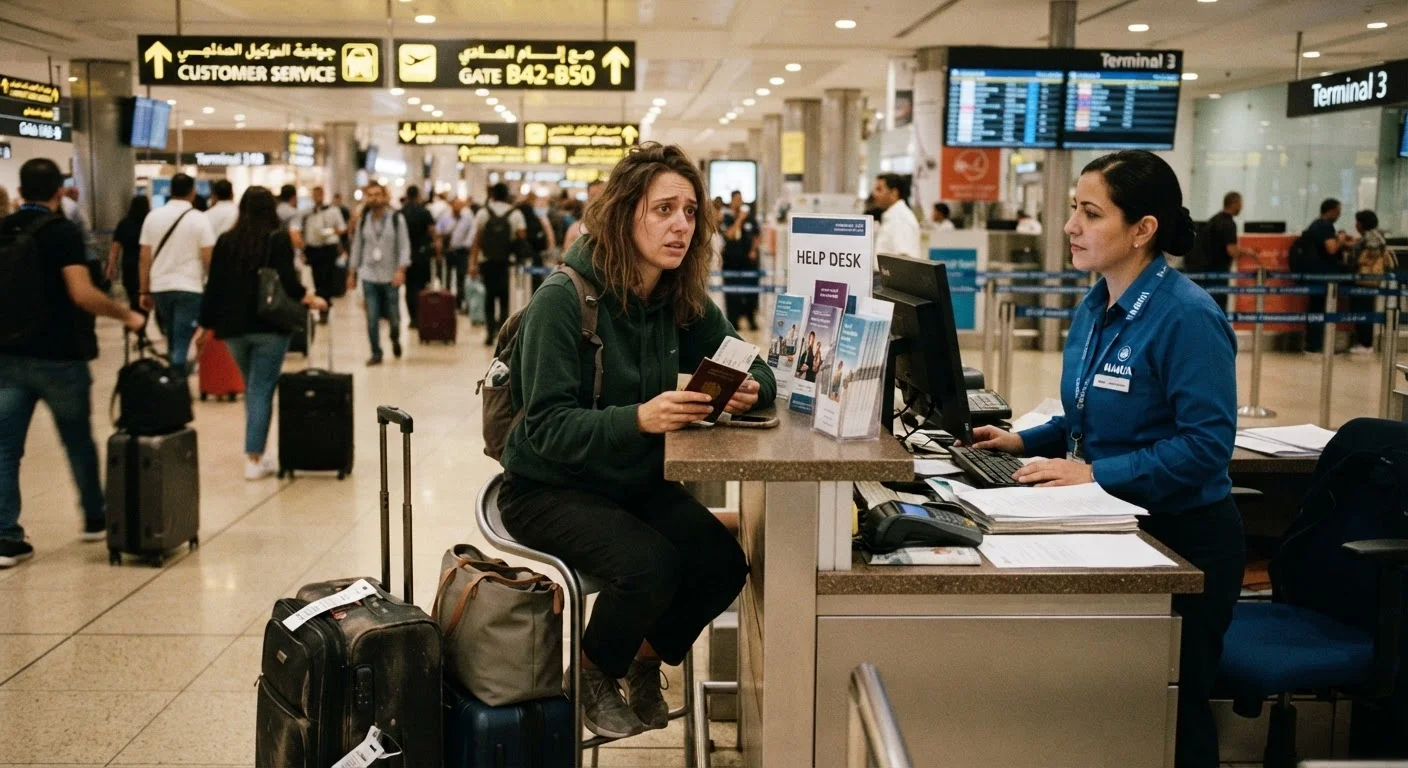
Photo credit: FaqBulletin.com | Information Made Easy
In this article
Losing your passport overseas is stressful but manageable. Here's the step-by-step process for getting home safely.
Key Takeaways
- Report a lost or stolen passport to local police first, then contact the nearest U.S. embassy or consulate.
- An Emergency Passport can often be issued within one to three business days for travelers who need to depart quickly.
- Carrying digital and paper copies of your passport dramatically speeds up the replacement process.
- Travel insurance with lost-document coverage can offset costs of replacement fees and unexpected lodging.
- Enrolling in the State Department's STEP program before you travel helps the embassy locate you in a crisis.
Why Preparation Before You Travel Is Your Best Insurance
The most effective response to a lost or stolen passport happens weeks before you board a plane. Travelers who carry copies of key documents, enroll in government alert programs, and understand the replacement process recover far faster than those who don't. If you're heading overseas for the first time, our family trip abroad planning guide covers passport prep alongside all the other fundamentals.
Here's what to do before you leave home:
- Make two photocopies of your passport's biographical data page — keep one in your luggage and leave one with a trusted contact at home.
- Photograph the page and store it in a cloud-accessible folder or email it to yourself.
- Note your passport number and expiration date somewhere separate from the passport itself.
- Enroll in the State Department's free Smart Traveler Enrollment Program (STEP) at step.state.gov.
What you will need
For a broader look at crossing borders with confidence, our first international trip guide walks through customs, currency, and documentation from the ground up.
Prevention Pays Off Every Time
Before any international trip, photograph the biographical data page of your passport and email it to yourself. Store a printed copy separately from the original. Enrolling in the State Department's Smart Traveler Enrollment Program (STEP) at step.state.gov is free and ensures the nearest embassy can reach you — or your emergency contact — if something goes wrong.
Step-by-Step: What to Do When Your Passport Is Gone
Discovering your passport is missing is a gut-punch moment, but the process for recovering it is well-established. Follow these steps in order and you'll have a clear path forward.
Stay calm and retrace your steps
Before assuming the worst, check every pocket, bag compartment, and hotel safe. Passports frequently slip into luggage lining or are left at the hotel front desk after check-in. Alert hotel staff and any transportation provider (taxi, train, tour operator) you used most recently.
File a police report
If the passport is genuinely lost or stolen, go to the nearest local police station and file an official report. Ask for a written copy — the U.S. embassy will require it. Even in countries with language barriers, most urban police stations have tourism-unit staff or translation assistance.
Contact the nearest U.S. embassy or consulate
Use the State Department's online embassy locator (travel.state.gov) or call the 24-hour American Citizens Services line to find the closest location. Explain your situation; staff will walk you through the appointment process. If your departure is imminent, say so clearly — they can often prioritize urgent cases.
Gather your application materials
To apply for an Emergency Passport (DS-11 form), you will need:
- The completed DS-11 application (available at the embassy or printable online)
- Your police report
- Two 2×2-inch passport photos
- Any available ID (driver's license, birth certificate copy, or other government-issued document)
- Proof of imminent travel such as a flight itinerary or booking confirmation
- Payment for the replacement fee
Attend your embassy appointment
Arrive early and bring originals plus copies of every document. A consular officer will review your application, verify your identity, and determine whether to issue an Emergency Passport (valid for a limited period) or a full-validity replacement depending on your circumstances and how quickly you need to travel.
Check visa and entry requirements for your return journey
If your visa for the country you're visiting was inside the lost passport, contact that country's immigration authority or the embassy of that nation. Some countries allow a visa transfer; others require a new application. Your consular officer can advise which local authorities to approach.
Notify your travel insurance provider
File a claim as soon as practicable. Provide the police report, embassy receipts, and any receipts for related expenses (emergency accommodation, rebooking fees). Policies vary widely, so review your coverage terms carefully to understand what qualifies for reimbursement.
Report the Loss to the State Department
Once you've filed a police report, report your passport as lost or stolen on travel.state.gov or through the embassy. This officially invalidates the document so it cannot be used by someone else. Failing to do so could complicate future passport applications and creates a fraud risk.
Most travelers who act promptly receive an Emergency Passport within one to three business days. If your flight departs sooner, communicate that timeline to consular staff at every stage — they handle urgent cases routinely.
Avoid Third-Party 'Passport Recovery' Services
Overseas you may encounter businesses offering to expedite passport recovery for a fee. These are not affiliated with the U.S. government. The American Citizens Services unit at your nearest embassy or consulate is the only legitimate channel for emergency passport issuance. Engaging unofficial services may delay your case and put personal data at risk.
What to Expect After You're Home
An Emergency Passport issued abroad is typically valid for a short period and limited to direct return travel. Upon returning to the U.S., you should apply for a full-validity passport through your local passport acceptance facility. Bring the emergency document, your supporting ID, and a new DS-11 application.
Also take a moment to review what happened. Did your passport go missing from a hotel room, a crowded market, or a transit hub? Understanding the circumstances helps you travel more securely next time. Common adjustments travelers make include using a money belt, storing passports in a hotel safe rather than a bag, and keeping a separate card with embassy contact information in their wallet.
Losing a passport is genuinely stressful, but it is one of the most-solved travel problems in the world. Embassies handle these cases every day, and the system — while bureaucratic — works. Go in prepared, stay patient, and you'll be on your way home sooner than you expect.

Author
Travel Editorial Team
Travel Editorial Team is the collective byline for our editorial team and contributor network. Articles published under this byline or an editorial pen name are researched, written, and reviewed according to our editorial standards for clarity, consistency, and independence before publication.
View all articles →