
Myths About Traveling to Mexico With Kids
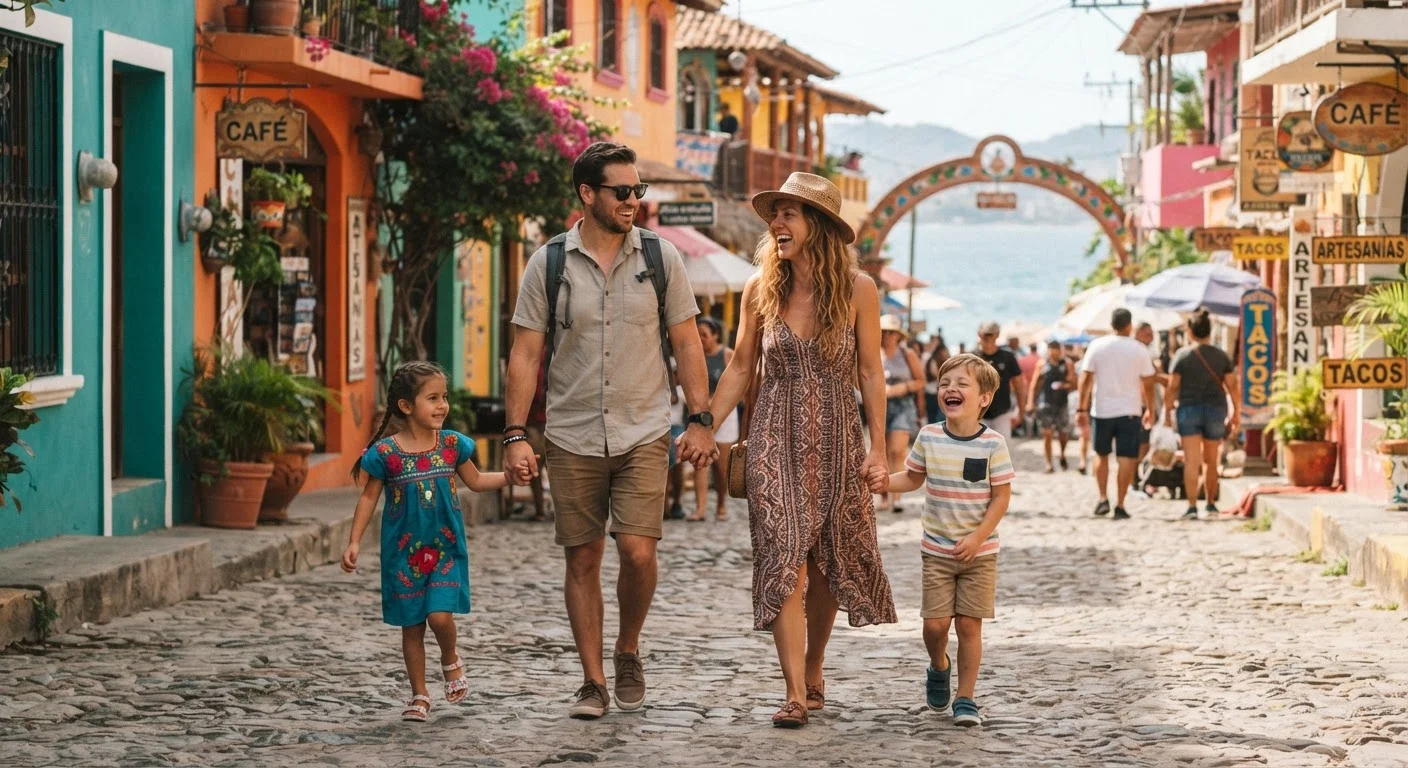
Photo credit: FaqBulletin.com | Information Made Easy
In this article
Safety assumptions, food fears, and logistical worries often keep families away. We separate common misconceptions from the factual picture.
Key Takeaways
- Mexico has numerous family-friendly resort areas and cities with strong tourism infrastructure and low crime rates.
- Traveler's diarrhea risk is real but manageable with simple precautions — it doesn't have to ruin a trip.
- US passport requirements for children traveling to Mexico are the same as for adults.
- Many Mexican destinations offer child-friendly amenities, menus, and cultural activities year-round.
- Travel advisories vary significantly by region — most popular tourist zones carry lower risk ratings.
- Careful planning and budget awareness prevent the most common family trip pitfalls in any destination.
Why So Many Families Skip Mexico — And Why the Numbers Don't Add Up
Ask a group of American parents why they haven't taken their kids to Mexico and you'll hear a familiar loop: it's too dangerous, the food will make everyone sick, it's too hard to navigate with little ones. These concerns are understandable — they come from real news headlines and genuine parental instinct. But they're also frequently distorted, outdated, or just plain wrong.
Mexico is one of the most visited destinations in the world, and a substantial portion of those visitors are families. The country spans nearly 760,000 square miles, with tourism infrastructure ranging from all-inclusive beachfront resorts to mountain colonial cities built for slow, curious exploration. Treating it as a single, uniform risk zone ignores enormous geographic and logistical variation.
The myths below are among the most persistent — and most worth examining before you write off a destination that could offer your family an unforgettable trip. For a broader look at how misconceptions skew travel planning, our piece on off-season travel myths shows how often assumptions don't hold up to scrutiny.
Myth
Mexico is uniformly dangerous — no responsible parent would take their kids there.
Fact
Safety varies dramatically by region. Many popular tourist destinations have well-established visitor infrastructure and security measures comparable to other major international destinations.
The U.S. State Department issues travel advisories by individual Mexican state, and several states that host the country's most popular tourist destinations — including Quintana Roo (home to Cancún and Tulum) and Baja California Sur (Los Cabos) — have carried lower advisory levels than others. Treating the entire country as equally risky is like warning someone away from all of Europe because of conditions in one specific country. Research the specific region you're considering, check official advisories, and plan accordingly.
Myth
The food and water will definitely make my kids sick.
Fact
Traveler's diarrhea is a genuine risk, but it's manageable with consistent precautions — and the cuisine in tourist-oriented areas is widely consumed by international families without incident.
The risk of gastrointestinal illness is real when traveling to many countries, including Mexico — but it's not inevitable. Standard precautions include drinking bottled or purified water (including for brushing teeth), avoiding raw street food from uncertified vendors, and sticking to cooked foods and peeled fruits. Most resort hotels and established restaurants catering to international visitors use purified water and follow food safety standards. Packing oral rehydration salts and consulting your pediatrician about any prophylactic options before departure gives you a sensible safety net without canceling the trip.
Myth
Kids don't need passports for Mexico — parents can just bring a birth certificate.
Fact
All U.S. citizens, including infants, are required to present a valid U.S. passport to re-enter the United States from Mexico by air.
This myth persists from an era before the Western Hemisphere Travel Initiative (WHTI) tightened documentation rules. Today, children flying between the U.S. and Mexico need a valid U.S. passport book. Land border crossings have slightly different rules — a passport card or enhanced driver's license may suffice for adults, and minors may use a birth certificate in some cases — but air travel requires a full passport book for everyone. Apply well in advance: passport processing for minors requires both parents' consent and can take weeks, especially during peak periods. Verify current requirements at travel.state.gov before booking.
Myth
There's nothing for kids to do in Mexico beyond beach resorts.
Fact
Mexico offers one of the world's richest arrays of family-oriented experiences, from ancient ruins and wildlife encounters to cooking classes, cenotes, and vibrant local festivals.
The cultural and natural breadth of Mexico is genuinely exceptional for family travel. Children can explore UNESCO World Heritage archaeological sites like Chichén Itzá, swim in freshwater cenotes, visit sea turtle nesting beaches, and learn about indigenous traditions through hands-on cultural programs. Cities like Oaxaca, Mérida, and San Miguel de Allende are known for their walkability, food scenes, and arts communities that engage visitors of all ages. Mexico is also home to well-developed eco-tourism infrastructure in regions like the Yucatán Peninsula — a good fit for families who want more than a pool deck.
Myth
Flying to Mexico with kids is complicated and requires mountains of extra paperwork.
Fact
For families with both parents traveling together and no custody concerns, documentation requirements are straightforward and nearly identical to any other international trip.
The complexity concern usually stems from rules about minors traveling without both parents — a real consideration if one parent is staying home. In that case, some airlines and Mexican immigration officials may ask for a notarized letter of consent from the absent parent, though requirements vary by carrier and aren't universally enforced. Families traveling together simply need valid passports for everyone and standard Mexican tourist entry forms (often completed digitally now). For guidance on getting through the airport efficiently, our piece on airport security myths covers common checkpoint misconceptions that apply to any international departure.
What Families Actually Need to Plan For
Dispelling myths doesn't mean pretending there's nothing to prepare for. A few practical realities deserve honest attention.
Always Verify Current Entry and Health Requirements
Entry rules, health documentation requirements, and travel advisories for Mexico can change. Before booking, consult the U.S. State Department's official Mexico travel advisory page and the CDC's destination-specific health guidance. If your children have any medical conditions or require vaccinations, speak with your pediatrician well ahead of departure — not the week before.
Travel advisories are region-specific. The U.S. State Department issues advisories by Mexican state, not for the country as a whole. Popular tourist corridors in Quintana Roo, Los Cabos, and Puerto Vallarta have historically carried lower advisory levels than border regions or certain inland states. Always check the current State Department page before booking — and revisit it closer to departure, since conditions can change.
Budget planning matters more than people expect. Underestimating costs is one of the fastest ways to turn a great trip stressful. Our guide on why family vacation budgets fall apart walks through the specific line items families most often miss.
Pacing is everything with kids. Mexico's most rewarding experiences — ruins, markets, cenotes, beach days — can easily be overpacked into an itinerary. Our companion piece on keeping trips memorable without overscheduling offers practical principles for building in breathing room. For more on the full spectrum of what to expect, see our honest look at traveling with children.
35M+
International tourists visiting Mexico annually
Mexico has consistently ranked among the world's top ten most-visited countries, according to the United Nations World Tourism Organization.
4–6 weeks
Recommended passport processing lead time for minors
The U.S. State Department advises families to apply for children's passports well in advance, as processing times can extend during peak travel seasons.
This article provides general travel information and education. Always verify current entry requirements, health recommendations, and travel advisories with official U.S. government sources and your healthcare provider before traveling internationally with children.

Author
Travel Editorial Team
Travel Editorial Team is the collective byline for our editorial team and contributor network. Articles published under this byline or an editorial pen name are researched, written, and reviewed according to our editorial standards for clarity, consistency, and independence before publication.
View all articles →