
Family Travel in Japan: Culture, Logistics, and What to Expect
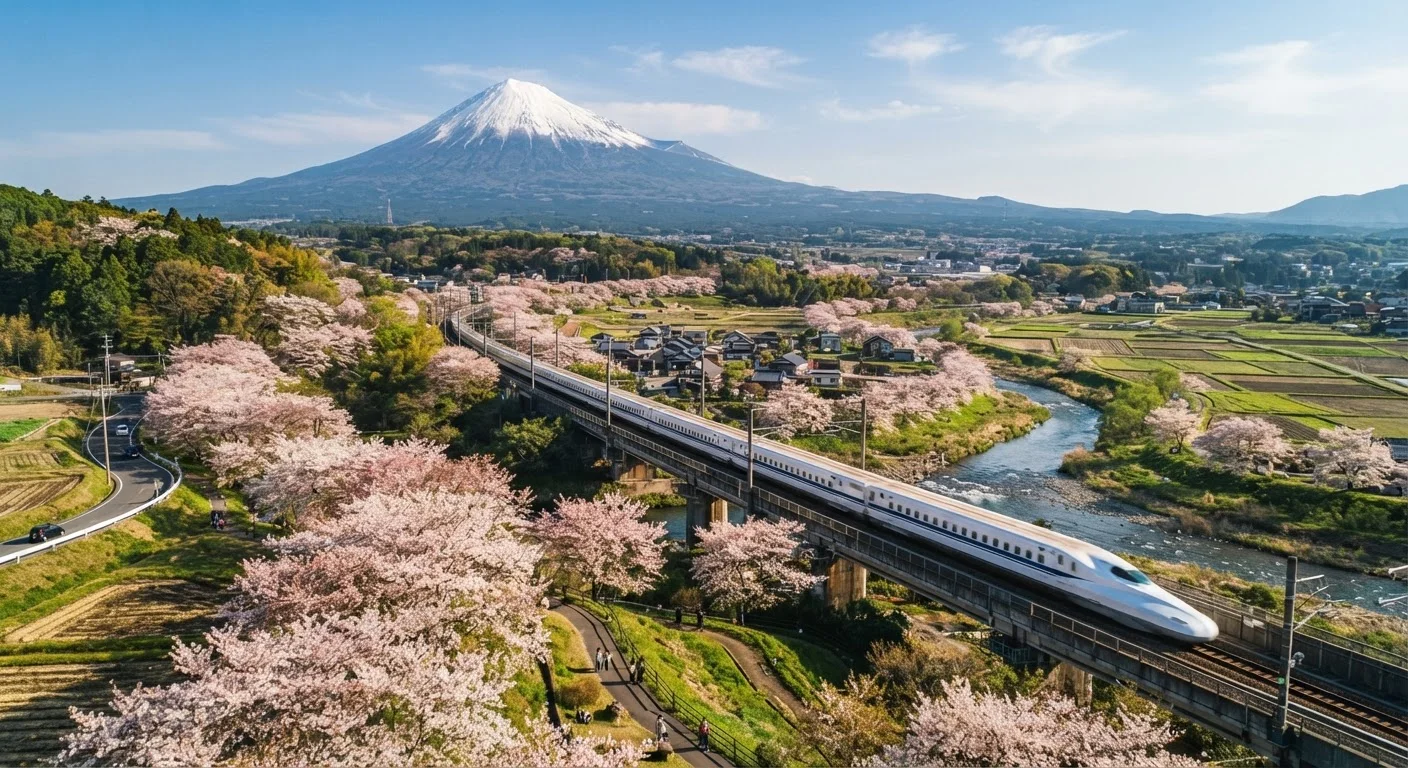
Photo credit: FaqBulletin.com | Information Made Easy
In this article
From train passes to temple etiquette to child-friendly food, this guide covers everything families need to understand before visiting Japan.
Key Takeaways
- Japan is consistently rated one of the safest and most organized countries for family travel.
- The IC card system (like Suica) makes hopping on trains and buses seamless, even with kids in tow.
- Temple and shrine etiquette is simple to follow and teaches children respectful travel habits.
- Japanese convenience stores and family restaurants offer surprisingly kid-friendly, affordable meals.
- Balancing iconic cities like Tokyo with slower-paced destinations prevents family burnout.
- Verify current entry requirements, visa rules, and travel advisories with official sources before booking.
Why Japan Works So Well for Families
Japan earns its reputation as a dream destination for families — not because it's theme-park-easy, but because it's genuinely safe, orderly, and deeply respectful of visitors at every age. Crime rates are low, public spaces are clean, and locals are remarkably patient with wide-eyed children experiencing everything from neon-lit streets to bamboo forests for the first time.
Beyond safety, Japan's infrastructure is built around convenience. Strollers are common in cities, elevators appear at most major train stations, and family restrooms are widely available. If you're wondering what truly makes a destination family-friendly, Japan checks nearly every box — from accessible transit to child-welcoming dining.
#1
Safest country ranking for tourists
Japan consistently scores at or near the top of global safety indexes, including the Global Peace Index published annually by the Institute for Economics and Peace.
~3 million
US visitors to Japan annually (pre-pandemic)
Japan Tourism Agency data showed approximately 3 million American visitors per year before 2020, making the US one of Japan's top source markets.
29,000 km
Total railway network length in Japan
Japan's rail network — one of the world's most extensive — connects cities, towns, and rural areas with a punctuality rate that routinely exceeds 99%.
Getting Around: Trains, Passes, and Practical Logistics
Japan's rail network is the backbone of any family trip, and it's less intimidating than it looks. The IC card — such as the Suica or ICOCA card — works like a rechargeable transit wallet accepted on trains, subways, and buses in most major cities. Load it with yen, tap in, tap out. Kids under 6 ride free on most services; children aged 6–11 travel at half fare.
For families covering multiple cities — say, Tokyo, Kyoto, and Hiroshima — a Japan Rail (JR) Pass covers shinkansen (bullet train) travel and many regional lines. Whether the math justifies the cost depends on your specific itinerary, so map out your routes before purchasing. Our guide to family travel logistics covers how to think through this kind of transit planning systematically.
Load your IC card with more yen than you think you'll need on day one — ATMs at Japan Post offices and 7-Eleven stores reliably accept foreign cards if you run low.
Running out of transit funds during a peak-hour commute with tired kids is a common and easily avoidable stressor for first-time visitors.
Book the shinkansen's reserved seats (指定席, shiteiseki) rather than riding unreserved, especially during school holidays and Golden Week in late April to early May.
Unreserved cars on popular routes can fill completely, leaving families standing for hours — reserved seats eliminate that uncertainty entirely.
One practical note: strollers must be folded on most trains during peak hours. A compact, lightweight stroller or a soft carrier for young toddlers is easier to manage on busy platforms.
Cultural Etiquette Families Should Know
Japan's cultural norms are specific but easy to learn — and teaching them to kids before departure turns etiquette into a fun, engaging challenge rather than a list of don'ts.
- Remove shoes when entering homes, many traditional restaurants, and some temple interiors. Look for the step up (genkan) as your cue.
- Keep voices low on trains and in shrines. Loud behavior draws uncomfortable attention in quiet public spaces.
- Don't eat while walking — consume food and drinks at a stall or nearby seating area.
- Bow slightly when greeting shopkeepers or hosts. Kids naturally find this fun to practice.
- At temples and shrines, follow posted instructions for handwashing (temizuya) and avoid touching statues or sacred objects.
Respecting these norms isn't just polite — it models thoughtful travel behavior that children carry into future trips. For a broader lens on pacing and cultural immersion, see lessons from family travel on avoiding overscheduling.
Feeding Kids in Japan: What to Expect
Food anxiety is one of the most common concerns families raise before visiting Japan — and one of the most unfounded. Japanese cuisine is diverse enough that even selective eaters find familiar ground quickly.
Convenience stores (7-Eleven, FamilyMart, Lawson) are a traveler's secret weapon: stocked with onigiri (rice balls), sandwiches, hot foods, yogurt, and snacks at very reasonable prices. Family restaurants (famiresu) like Gusto or Saizeriya offer picture menus, kids' meal sets, and English-language options in tourist areas.
Ramen, udon, soba, tempura, and karaage (fried chicken) are broadly popular with American kids. Conveyor-belt sushi (kaitenzushi) is both affordable and inherently entertaining — watching plates circle the belt is half the meal. Severe food allergies require extra care; carry a translated allergy card and consult restaurant staff carefully, as cross-contamination labeling standards differ from the US.
Food Allergy Communication Requires Extra Care
Japanese allergy labeling standards differ significantly from US requirements. Common allergens like sesame, shellfish, and certain food additives may not be prominently disclosed. Families managing serious allergies should carry a professionally translated allergy card (available from services specializing in travel health communication) and confirm ingredients with staff directly — never rely on visual inspection alone.
Best Regions to Visit With Kids
Japan rewards families who mix high-energy cities with quieter, atmospheric destinations. Here's how major regions compare:
- Tokyo
- Japan's capital offers neighborhoods scaled for almost every interest — Akihabara for tech and gaming, Harajuku for pop culture, Ueno for museums and a zoo, Odaiba for waterfront family attractions. Overwhelming in size but remarkably navigable.
- Kyoto
- The cultural heartland. Fushimi Inari's thousands of torii gates is a highlight for kids of all ages. Arashiyama's bamboo grove and river boat rides add variety. Slower pace than Tokyo — a deliberate choice that pays off.
- Hiroshima and Miyajima
- The Peace Memorial Museum requires age-appropriate preparation, but the experience resonates deeply with older children. Miyajima Island — home to the iconic floating torii gate and wandering deer — is genuinely magical.
- Osaka
- Japan's food capital with a looser, livelier atmosphere. Dotonbori's neon-lit canal district is spectacular at night, and the city is an easy base for day trips to Nara (where deer roam freely among ancient temples).
If your family is navigating international travel for the first time, planning your first trip abroad with kids offers a strong foundation for managing passports, jet lag, and language differences before you land.
Planning Tips Before You Go
A few pre-departure steps will measurably reduce friction once you're on the ground:
- Secure documentation early. US citizens need a valid passport; Japan typically grants short-stay tourist entry without a visa, but always verify current requirements through the US Department of State and the Japanese embassy before booking.
- Book accommodations strategically. Western-style hotel rooms in Japan are often small. Look for family rooms or consider a ryokan (traditional inn) with tatami rooms that fit multiple travelers comfortably.
- Download translation apps. Google Translate's camera feature handles menus, signage, and packaging in real time — a practical lifesaver for navigating Japan with kids.
- Prepare for cash culture. While contactless payments are growing, many smaller restaurants, temples, and rural areas remain cash-preferred. Keep yen on hand.
- Plan your pace. Japan rewards slowness. Three or four major stops over two weeks is more sustainable than seven. The Travel Tips hub has additional on-the-road strategies for keeping families happy across long international trips.
Traveling with children is equal parts rewarding and humbling — and Japan manages to smooth out many of the rough edges that make international travel hard. Go curious, prepare thoughtfully, and let the country surprise you.
Travel conditions, entry requirements, and local regulations change. Always verify visa rules, health advisories, and safety information through official government sources (such as travel.state.gov) before you travel.

Author
Travel Editorial Team
Travel Editorial Team is the collective byline for our editorial team and contributor network. Articles published under this byline or an editorial pen name are researched, written, and reviewed according to our editorial standards for clarity, consistency, and independence before publication.
View all articles →