
Spaying and Neutering: What the Procedure Involves and When to Do It
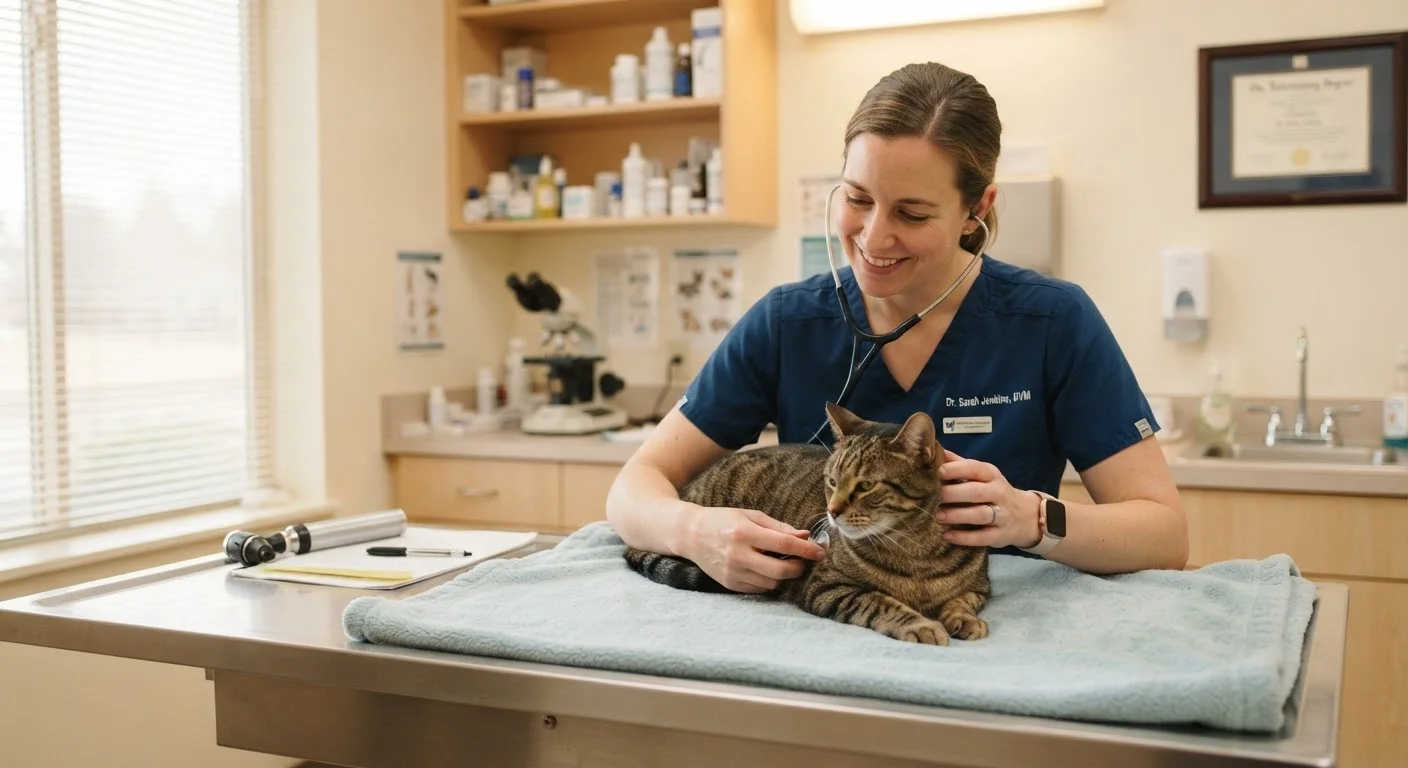
Photo credit: FaqBulletin.com | Information Made Easy
In this article
A clear, factual overview of spay and neuter procedures, typical timing by age, and what recovery generally looks like for cats.
Key Takeaways
- Spaying removes a female cat's ovaries and uterus; neutering removes a male cat's testicles.
- Most veterinarians recommend the procedure between 4 and 6 months of age, though it can be done later.
- Both surgeries are performed under general anesthesia and typically take under an hour.
- Recovery usually takes 10–14 days, with activity restriction and incision monitoring required.
- The procedures can reduce certain health risks and unwanted behaviors in cats.
- Always consult your veterinarian to determine the right timing for your individual cat.
What Happens During the Procedure
Both spaying and neutering are performed under general anesthesia, meaning your cat will be fully unconscious and feel no pain during surgery. Before the procedure, your veterinarian will typically require a pre-surgical exam and may recommend bloodwork to confirm the cat is healthy enough for anesthesia.
For spaying (ovariohysterectomy), the surgeon makes a small incision in the abdomen and removes the ovaries and uterus. The procedure generally takes 20 to 45 minutes depending on the cat's size and age. Stitches may be internal, external, or both.
For neutering (orchiectomy), the surgeon makes one or two small incisions near the scrotum and removes the testicles. This is a shorter procedure, often completed in under 20 minutes. In many cases, no external sutures are needed.
After surgery, cats are monitored as they wake from anesthesia and are usually ready to go home the same day. Your veterinarian will provide specific aftercare instructions tailored to your cat's procedure.
Ask About Pre-Surgical Bloodwork
Many veterinary clinics offer optional pre-anesthetic bloodwork, especially for kittens or older cats. This screening can identify underlying conditions that might affect how a cat responds to anesthesia. It's worth discussing with your vet during the pre-surgical consultation to understand whether it makes sense for your cat.
When to Schedule the Procedure
Timing recommendations have evolved over the years. The traditional guideline has been to spay or neuter at around 5 to 6 months of age, before a cat reaches sexual maturity. Many shelters perform the surgeries earlier — sometimes as young as 8 weeks — using pediatric anesthesia protocols that are considered safe by veterinary organizations.
Cats that reach sexual maturity before being altered may begin displaying reproductive behaviors: females enter heat cycles involving loud vocalizations and restlessness, while males may start urine-marking and attempting to roam. Early spaying and neutering typically prevents these behaviors from developing.
Older cats — even seniors — can safely undergo the procedure. Age alone is not a disqualifying factor, though your vet may recommend additional health screening for cats over a certain age. If you're preparing to bring home a new kitten, scheduling a vet visit early is a good starting point. Our guide for first-time cat owners covers what to expect from those early veterinary appointments.
~6 months
Typical recommended age for spay/neuter
Most veterinary associations in the U.S. suggest spaying or neutering cats around 4–6 months of age, before sexual maturity.
10–14 days
Average full recovery window
Veterinary aftercare guidelines generally indicate that cats need about two weeks of restricted activity following spay or neuter surgery.
Under 1 hour
Typical surgical duration
Spaying generally takes 20–45 minutes; neutering is often completed in under 20 minutes, making both among the more time-efficient routine surgeries.
Recovery: What to Expect at Home
Post-surgical recovery requires attentive care from owners. For the first 24 to 48 hours, most cats will be groggy from anesthesia and may eat or drink less than usual — this is normal. Provide a quiet, warm space away from other pets and children.
Key recovery guidelines generally include:
- Restrict activity for 10 to 14 days — no jumping, running, or rough play
- Check the incision site daily for redness, swelling, discharge, or opening
- Use an e-collar (cone) if your cat is licking or biting at the wound
- Follow medication instructions exactly as prescribed by your vet
- Schedule a follow-up visit if external sutures need removal, or sooner if you notice anything concerning
Most cats bounce back quickly, particularly males after neutering. Females recovering from spaying may need a few extra days of rest given the more involved nature of the surgery. Contact your veterinarian promptly if you observe signs of infection, prolonged lethargy, or loss of appetite beyond the first day.
Understanding routine veterinary care — including surgical procedures — is a cornerstone of responsible ownership. General guidance on navigating veterinary care can also help owners feel more prepared before any procedure.
This article is for general informational purposes only and does not constitute veterinary medical advice. Always consult a licensed veterinarian for guidance specific to your cat's health and circumstances.
Frequently Asked Questions

Author
Pets Editorial Team
Pets Editorial Team is the collective byline for our editorial team and contributor network. Articles published under this byline or an editorial pen name are researched, written, and reviewed according to our editorial standards for clarity, consistency, and independence before publication.
View all articles →