
Navigating the Middle School Years: What Parents Need to Know
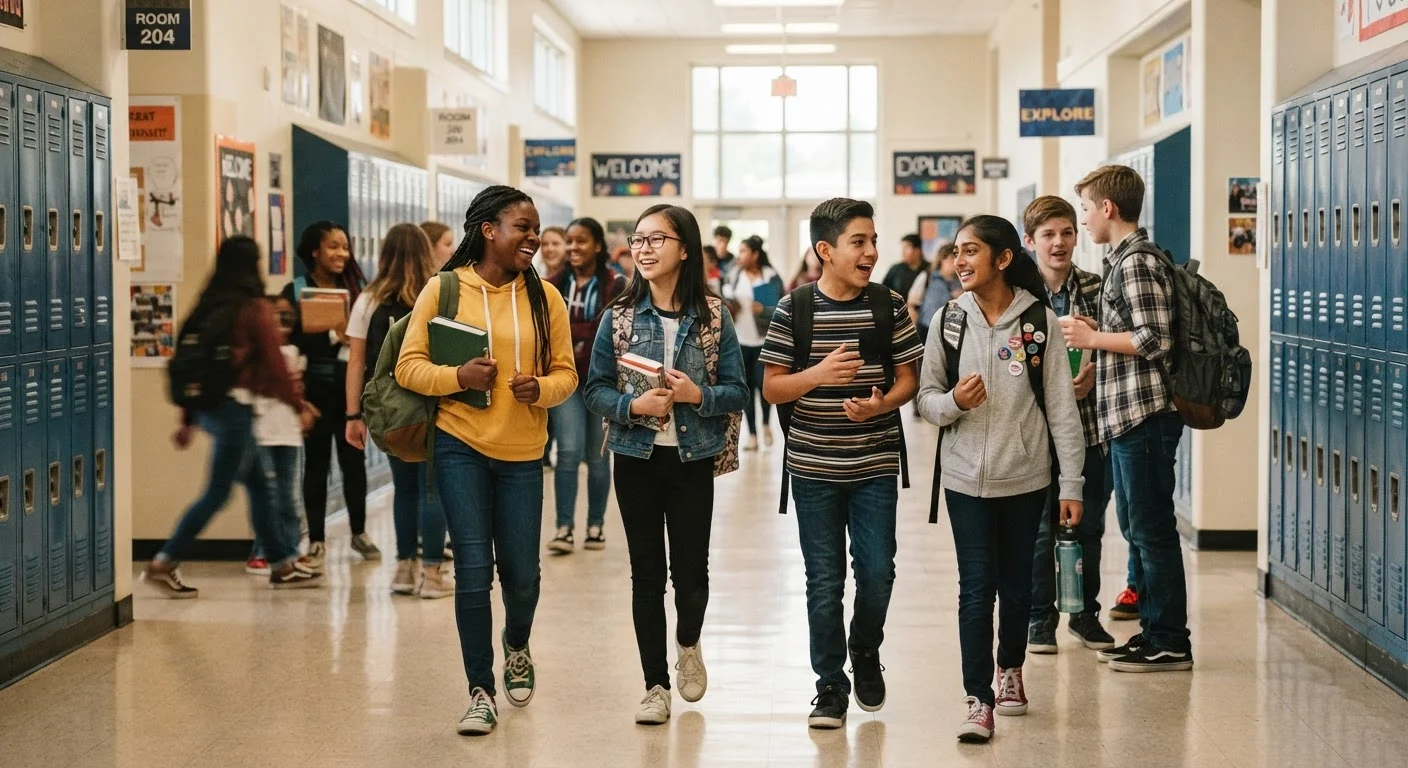
Photo credit: FaqBulletin.com | Information Made Easy
In this article
Middle school brings big academic and social shifts. This guide helps parents understand what to expect and how to stay involved.
Key Takeaways
- Middle school introduces subject-specific teachers, more homework, and greater personal responsibility than elementary school.
- Social dynamics intensify during grades 6-8, making peer relationships a major factor in a student's well-being.
- Parent involvement remains important but should shift from hands-on help to coaching and check-ins.
- Warning signs like sharp grade drops or social withdrawal deserve prompt, calm attention rather than reactive consequences.
- Building strong communication habits with teachers early pays dividends throughout the middle school years.
What Makes Middle School Different
Middle school - typically grades 6 through 8 - is a genuine structural shift, not just an older version of elementary school. Students move from one primary classroom teacher to a rotating team of subject-specific instructors. Lockers replace cubbies. Bells govern movement. The social landscape expands and becomes far more complex.
For many children, this transition arrives alongside puberty, making it one of the most layered developmental periods of childhood. Parents who understand the structure of middle school are better positioned to offer the right kind of support at the right moments. If your family is also navigating a school change, the enrollment process guide covers what to gather and ask upfront.
Departmentalized instruction
A school structure where students move between different teachers for each subject, rather than spending the day with one primary teacher. This is the standard model in most American middle schools.
Executive function
The mental skills involved in planning, organizing, managing time, and controlling impulses. Middle school places much higher demands on these skills than elementary school does.
IEP
An Individualized Education Program is a legally binding plan developed for students who qualify for special education services. It outlines specific learning goals and the supports the school will provide.
Course placement
The process by which schools assign students to specific academic tracks or class levels - such as standard, accelerated, or honors courses. Placement decisions in middle school often affect which classes are available in high school.
Adolescent development
The biological, cognitive, and social changes that occur during the transition from childhood to adulthood, typically spanning roughly ages 10-18. Middle school years fall squarely in the early phase of this period.
Academic Shifts Every Parent Should Expect
The academic jump between elementary and middle school catches many families off guard. Students are now expected to track assignments across five or more subjects, manage longer-term projects independently, and adapt to each teacher's distinct expectations and grading style.
Math is often where the shift feels sharpest. Pre-algebra and algebra introduce abstract reasoning that requires a different cognitive approach than the procedural math of earlier grades. Reading assignments become denser, and writing tasks grow in complexity and length.
Two practical habits make the biggest difference early on:
- A consistent homework routine - a dedicated time and place that signals to your child's brain that it's time to focus.
- A single organizational system - whether a physical planner or a digital tool the school supports, consistency matters more than the specific method.
For a broader look at how middle school fits into the full K-12 journey, see the full K-12 to college-ready guide.
Social and Emotional Development in the Middle Years
Middle schoolers are doing the hard work of figuring out who they are outside of their family - and peer relationships become central to that process. Friendships form and dissolve quickly. Social hierarchies shift. The need to belong can feel urgent in a way that surprises parents who remember a more easygoing elementary-age child.
This is developmentally normal. Adolescent brain research consistently shows that the social-emotional regions of the brain are in rapid development during these years, making peer feedback feel disproportionately significant. Your child isn't being dramatic - their brain is genuinely wired to weight social signals heavily right now.
Keep the Conversation Door Open
Resist the urge to problem-solve every social situation your child shares with you. Often, middle schoolers just want to be heard. Reflect back what they're saying before offering any advice - and ask permission before giving it. This small habit signals that home is a safe place to talk, which matters enormously when bigger issues arise.
What helps most is maintaining a low-pressure presence at home. Regular, informal check-ins - during car rides, over dinner, not as a formal sit-down - tend to yield more honest conversation than direct interrogation. The goal is to be a safe landing place, not a source of additional pressure.
How to Stay Meaningfully Involved
Parent involvement in middle school looks different than in elementary school, but it remains genuinely impactful. The shift is from doing alongside your child to coaching from a step behind.
Practically, this means:
- Reviewing graded work together without turning it into a lecture
- Helping your child break large projects into smaller steps rather than doing the breaking yourself
- Attending school events and back-to-school nights to understand the academic culture
- Establishing teacher contact before problems arise, not only in response to them
Strong communication with teachers is one of the highest-leverage habits a middle school parent can build. See habits that improve parent-teacher relationships for specific approaches that keep those conversations productive. And for a seasonal readiness checklist, this family back-to-school checklist can help ensure nothing slips before the year begins.
When to Seek Additional Support
Not every rough patch in middle school requires intervention, but some patterns deserve a closer look. A sudden and sustained drop in grades, persistent reluctance to attend school, social withdrawal, or changes in sleep and appetite can signal that a student needs more than encouragement.
If academic struggles seem tied to a learning difference or attention challenge, it's worth requesting a conversation with the school's counselor or a student support team. Parents whose children have formal learning plans should review what every parent should understand about IEPs before key meetings. For capable students who are still falling behind, overlooked factors that hold students back is worth a read.
Don't Wait for a Crisis to Make Contact
Many parents reach out to school counselors or teachers only after a problem has escalated. Establishing a relationship early - even a brief introductory email at the start of the year - makes it much easier to have productive conversations when challenges do come up. Schools generally welcome proactive parents who communicate respectfully.
Middle school is a window, not a verdict. The habits, relationships, and self-awareness students build in these three years lay important groundwork - but nothing that happens in 6th grade permanently closes a door. Staying engaged, curious, and calm as a parent is among the most durable advantages you can offer.
Frequently Asked Questions

Author
Education Editorial Team
Education Editorial Team is the collective byline for our editorial team and contributor network. Articles published under this byline or an editorial pen name are researched, written, and reviewed according to our editorial standards for clarity, consistency, and independence before publication.
View all articles →