
Why Skipping Tire Rotations Costs You More Than You Think
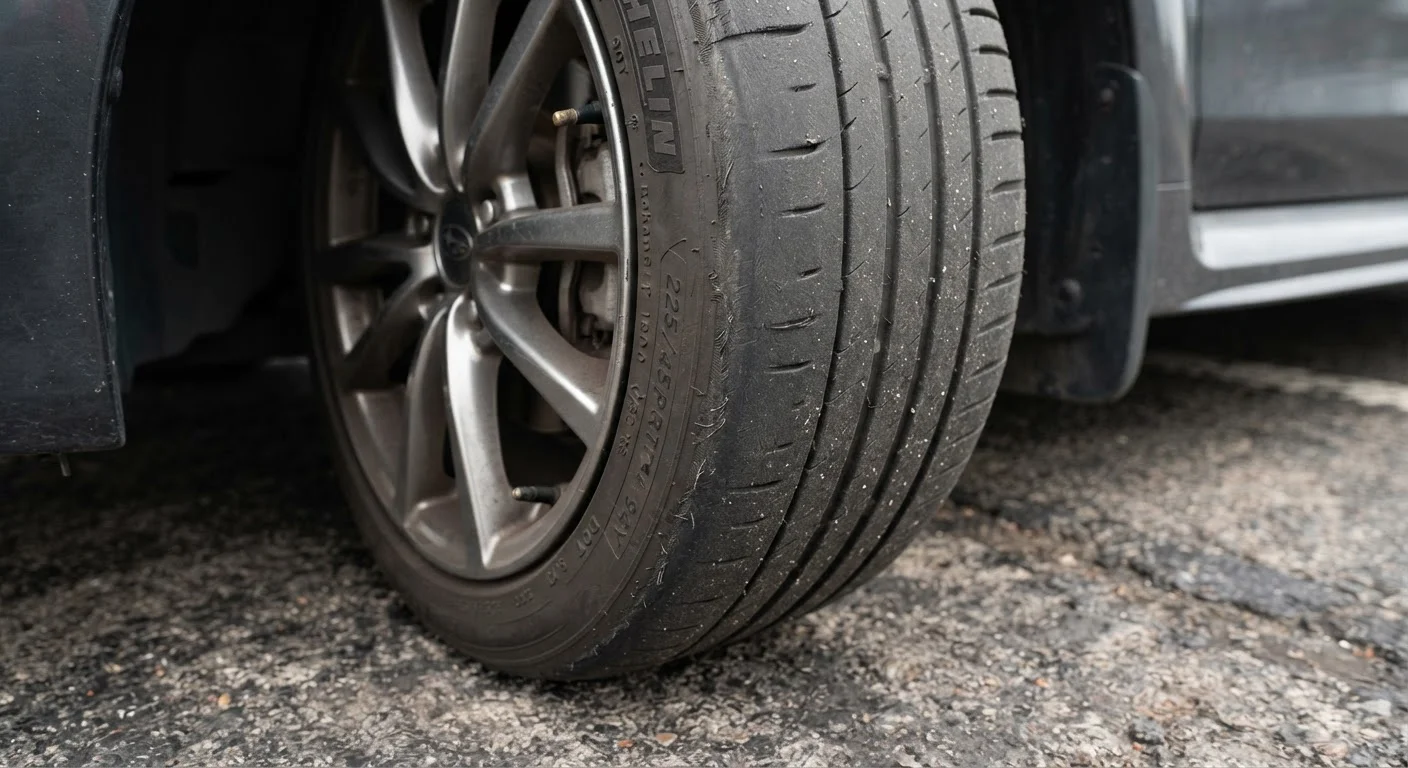
Photo credit: FaqBulletin.com | Information Made Easy
In this article
Uneven tread wear, reduced handling, and premature tire replacement—here's what actually happens when rotation is ignored.
Key Takeaways
- Skipping rotations causes uneven tread wear that shortens tire lifespan significantly.
- Front tires wear faster than rear tires on most vehicles, especially front-wheel drive.
- Regular rotation costs far less than early tire replacement or handling-related repairs.
- Most manufacturers recommend rotating tires every 5,000 to 7,500 miles.
- Uneven wear affects braking performance and wet-road handling safety.
What Tire Rotation Actually Does - and Why It Matters
Tire rotation is the practice of moving each tire to a different position on the vehicle - front to rear, side to side, or in a cross pattern - according to a set schedule. The goal is simple: to distribute tread wear as evenly as possible across all four tires so they wear out at the same rate.
Without rotation, the laws of physics do the work instead. On a front-wheel drive vehicle, the front tires handle acceleration, most braking force, and all steering loads simultaneously. That concentrated stress causes them to wear significantly faster than the rear pair. On rear-wheel drive vehicles, the pattern shifts but the imbalance remains. Even all-wheel drive systems - which many drivers assume offer protection - allow uneven wear based on where cornering and braking loads fall.
The result of skipped rotations isn't just cosmetic. Uneven tread wear has a measurable impact on handling, braking distance, and blowout risk. A tire worn thin on one edge while the rest still looks healthy is a safety liability - and replacing a full set prematurely is an avoidable financial hit.
2x
Faster front-tire wear on FWD vehicles
Front-wheel drive vehicles place steering, acceleration, and much of the braking load on the same two tires, causing them to wear roughly twice as fast as the rear pair without rotation.
$150-$200
Average cost of one new tire
Industry estimates suggest individual tire replacement typically runs $150-$200 or more per tire, making a $20-$50 rotation interval a clear cost advantage for most households.
5,000-7,500 mi
Typical recommended rotation interval
Most vehicle manufacturers and tire industry guidelines recommend rotating tires every 5,000 to 7,500 miles, often aligned with oil change intervals for convenience.
Common Mistakes Drivers Make With Tire Rotation
Most drivers don't intentionally skip rotations - they simply don't prioritize them until a problem surfaces. These are the patterns we see most often, and what to do instead.
Waiting until tires visibly look worn before scheduling a rotation.
Why it happens: Most drivers associate tire service with an obvious problem, like a flat or cracking sidewall. Subtle tread wear differences between positions aren't easy to spot during a quick walkthrough.
Assuming all-wheel drive vehicles don't need rotation because power goes to every wheel.
Why it happens: There's a common misconception that AWD systems distribute torque evenly enough to prevent uneven wear. In practice, front tires still bear more load during braking and turning.
Skipping rotation when the car 'seems fine' and handling feels normal.
Why it happens: Wear develops gradually, and drivers adapt to subtle changes in steering feel without realizing it. By the time handling noticeably degrades, significant damage has already occurred.
Rotating tires without checking alignment and inflation at the same time.
Why it happens: Drivers focus on the rotation itself and treat it as a standalone task. But misalignment and underinflation are often the root causes of uneven wear - rotation alone won't fix them.
Treating tire rotation as optional if tires still have 'plenty of tread left.'
Why it happens: When tires look new overall, it's easy to deprioritize rotation as an unnecessary expense. The assumption is that good tread depth means all four tires are wearing evenly.
Uneven Wear Can Compromise Your Safety
Significantly worn or unevenly worn tires reduce your vehicle's ability to stop quickly and maintain traction, especially on wet or slippery surfaces. If you notice scalloping, cupping, or bare patches on any tire, have a qualified mechanic inspect your tires before driving at highway speeds.
The most reliable habit is pairing tire rotation with your oil change schedule. Both services fall on similar mileage intervals for most vehicles, and combining them into a single shop visit makes it easier to stay consistent. If you're not sure which services are actually due at any given mileage marker, understanding how to follow your maintenance schedule without overpaying can prevent both neglect and unnecessary upsells.
For drivers comfortable with basic maintenance, knowing which tasks are safe to handle at home and which require a lift and professional equipment is worth understanding before attempting a rotation yourself.
Don't Rely on Visual Checks Alone
Uneven wear isn't always obvious at a glance. Tread depth can vary significantly from one side of the tire to the other, and inner-edge wear - common with alignment problems - is nearly invisible unless you crouch down and look closely. Use a tread-depth gauge at multiple points across each tire, or ask a mechanic to check during routine service.

Author
Automotive Editorial Team
Automotive Editorial Team is the collective byline for our editorial team and contributor network. Articles published under this byline or an editorial pen name are researched, written, and reviewed according to our editorial standards for clarity, consistency, and independence before publication.
View all articles →