
Dental Health in Dogs: What Gets Ignored and Why It Matters
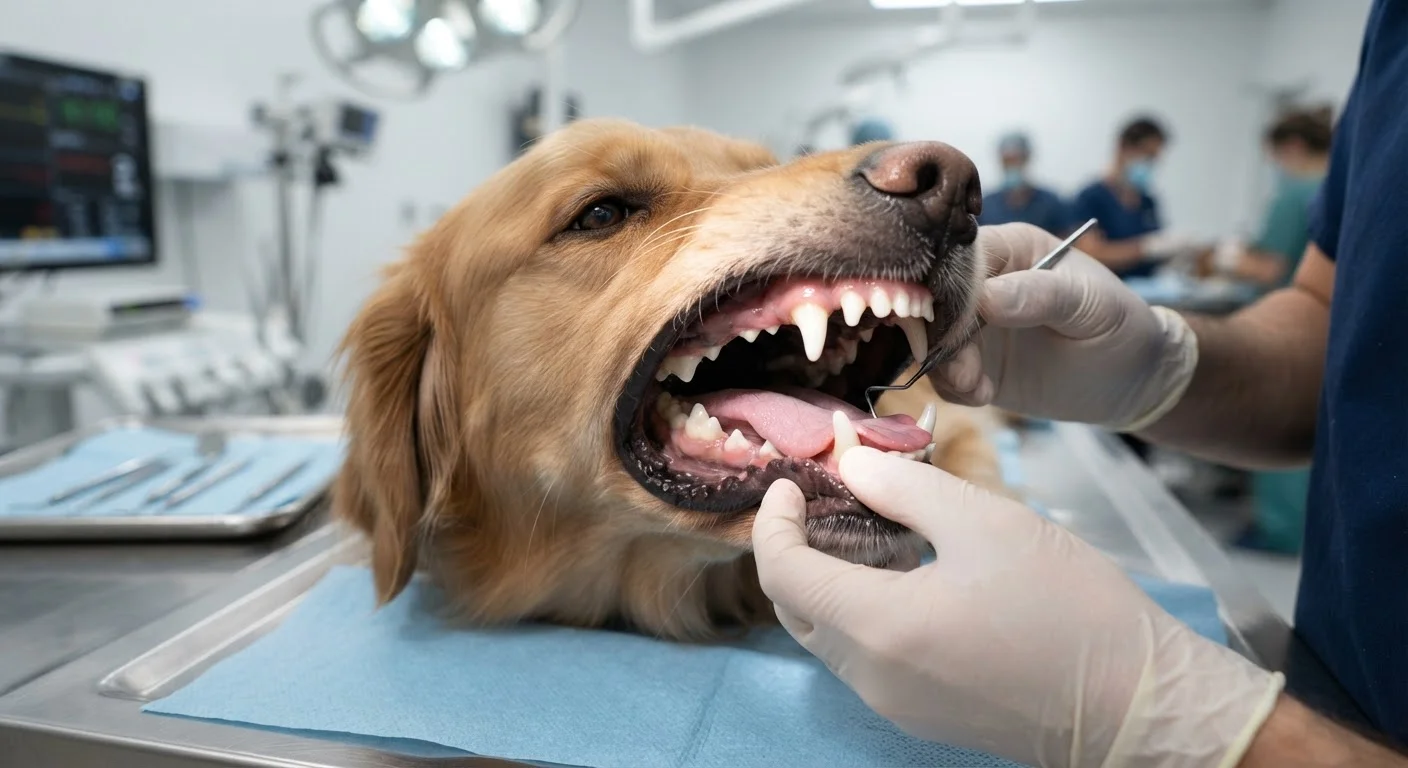
Photo credit: FaqBulletin.com | Information Made Easy
In this article
Periodontal disease affects most dogs by age three. Learn what plaque buildup really means for your dog's overall health, not just their breath.
Key Takeaways
- Periodontal disease affects an estimated 80% of dogs by age three, making it the most common canine health condition.
- Dental disease doesn't stay in the mouth — bacteria can travel to the heart, kidneys, and liver.
- Daily toothbrushing remains the most effective home care practice recommended by veterinary dentists.
- Professional dental cleanings under anesthesia are necessary for thorough assessment and treatment.
- Chews, rinses, and dental diets can supplement — but not replace — mechanical plaque removal.
Why Dental Health Is the Most Skipped Wellness Check
Most dog owners stay current on vaccines and parasite prevention, yet dental care is consistently the area most likely to be delayed or skipped entirely. The reasons are understandable: dogs rarely show obvious pain from dental disease, bad breath gets normalized as a "dog thing," and the cost of professional cleanings can feel like an optional expense.
The reality is more serious. By age three, the majority of dogs have some degree of periodontal disease — an infection of the structures supporting the teeth. It starts with plaque, a soft bacterial film that forms on tooth surfaces within hours of eating. When plaque isn't removed, it mineralizes into tartar (calculus) within days. Tartar harbors more bacteria below the gumline, leading to inflammation, bone loss, and eventually tooth loss. What looks like "just yellow teeth" is often an active infection.
Dogs are also highly effective at masking discomfort. Changes in eating habits, jaw chattering, or favoring one side of the mouth may be the only behavioral signals — and even these are easy to attribute to other causes. Understanding what's actually happening below the gumline is the first step toward treating dental health as the priority it is. If you notice your dog behaving differently at mealtimes or showing other stress signals, see our guide on recognizing canine discomfort signals.
Best Practices for Protecting Your Dog's Teeth
Effective dental care combines daily home habits with periodic professional intervention. The practices below are grounded in veterinary dental guidelines and represent the standard of care most commonly recommended by veterinary professionals.
Brush your dog's teeth daily using a pet-formulated enzymatic toothpaste.
Daily brushing is the single most effective method for removing plaque before it hardens into tartar. Enzymatic toothpastes contain compounds that help break down bacterial biofilm even between brushing sessions. Human toothpaste contains fluoride and foaming agents that are unsafe for dogs.
Schedule a professional dental cleaning with your veterinarian at least annually.
Home care cannot reach subgingival (below the gumline) deposits, where the most damaging bacterial activity occurs. A professional cleaning performed under general anesthesia allows full-mouth X-rays, probing of periodontal pockets, and scaling of surfaces that are impossible to assess in an awake dog.
Use Veterinary Oral Health Council (VOHC)-accepted products to supplement brushing.
The VOHC independently evaluates dental products — chews, water additives, diets, and rinses — for demonstrated efficacy in reducing plaque or tartar. Using products that have met this standard ensures you're not wasting money on ineffective options.
Know the early warning signs that warrant a veterinary visit before the next scheduled exam.
Waiting for annual wellness visits when symptoms are present allows disease to progress unnecessarily. Early intervention is less invasive, less costly, and results in better outcomes than treating advanced disease.
Avoid hard chews and toys that pose a tooth-fracture risk.
Slab fractures — where a large portion of a tooth breaks off — are painful and frequently require extraction or root canal therapy. They are commonly caused by objects harder than the tooth itself, including certain bones, antlers, and very hard nylon toys.
The Systemic Health Connection
Dental disease is not confined to the mouth. Chronic oral infections allow bacteria to enter the bloodstream — a process called bacteremia — where they can affect distant organs. Veterinary research has identified associations between periodontal disease and conditions affecting the heart, kidneys, and liver, though the causal relationships are still being studied.
80%
Dogs with periodontal disease by age three
According to the American Veterinary Medical Association, periodontal disease is the most common clinical condition seen in adult dogs.
5x
More likely to have kidney disease with severe dental disease
Research published in veterinary literature has found associations between advanced periodontal disease and increased markers of kidney dysfunction in dogs.
The heart-dental connection is among the most discussed. Certain oral bacteria have been found in the cardiac tissue of dogs with heart disease, leading many veterinary cardiologists to emphasize oral hygiene as part of overall wellness — particularly in breeds already predisposed to cardiac conditions.
“The mouth is the gateway to the body. When we treat periodontal disease, we're not just saving teeth — we're reducing a persistent source of systemic bacterial load that the rest of the body has to manage every day.”
— Jan Bellows, Board-certified veterinary dentist and author on companion animal dentistry
Kidney and liver function can also be affected by persistent oral bacteria. Dogs with advanced periodontal disease may show elevated liver enzymes or signs of kidney stress on bloodwork, which sometimes resolves or improves following dental treatment. This is one reason why routine bloodwork prior to anesthetic dental cleanings serves a dual purpose: it screens for anesthetic risk and provides a baseline for systemic health.
Dental health is one of many factors that shape a dog's overall quality of life. Just as overlooked factors influence long-term behavior, chronic pain or infection from dental disease can quietly affect temperament, appetite, and activity levels.
Quick Wins You Can Start Today
Building a dental care routine doesn't have to feel overwhelming. Even incremental improvements in home care can slow plaque accumulation and reduce the frequency of professional intervention needed. Start with whatever your dog will tolerate and build from there.
This article is for general informational purposes only and does not constitute veterinary medical advice. Always consult a licensed veterinarian for guidance specific to your dog's health needs.

Author
Pets Editorial Team
Pets Editorial Team is the collective byline for our editorial team and contributor network. Articles published under this byline or an editorial pen name are researched, written, and reviewed according to our editorial standards for clarity, consistency, and independence before publication.
View all articles →