
High-Yield Savings Accounts Explained: How They Work and What to Look For
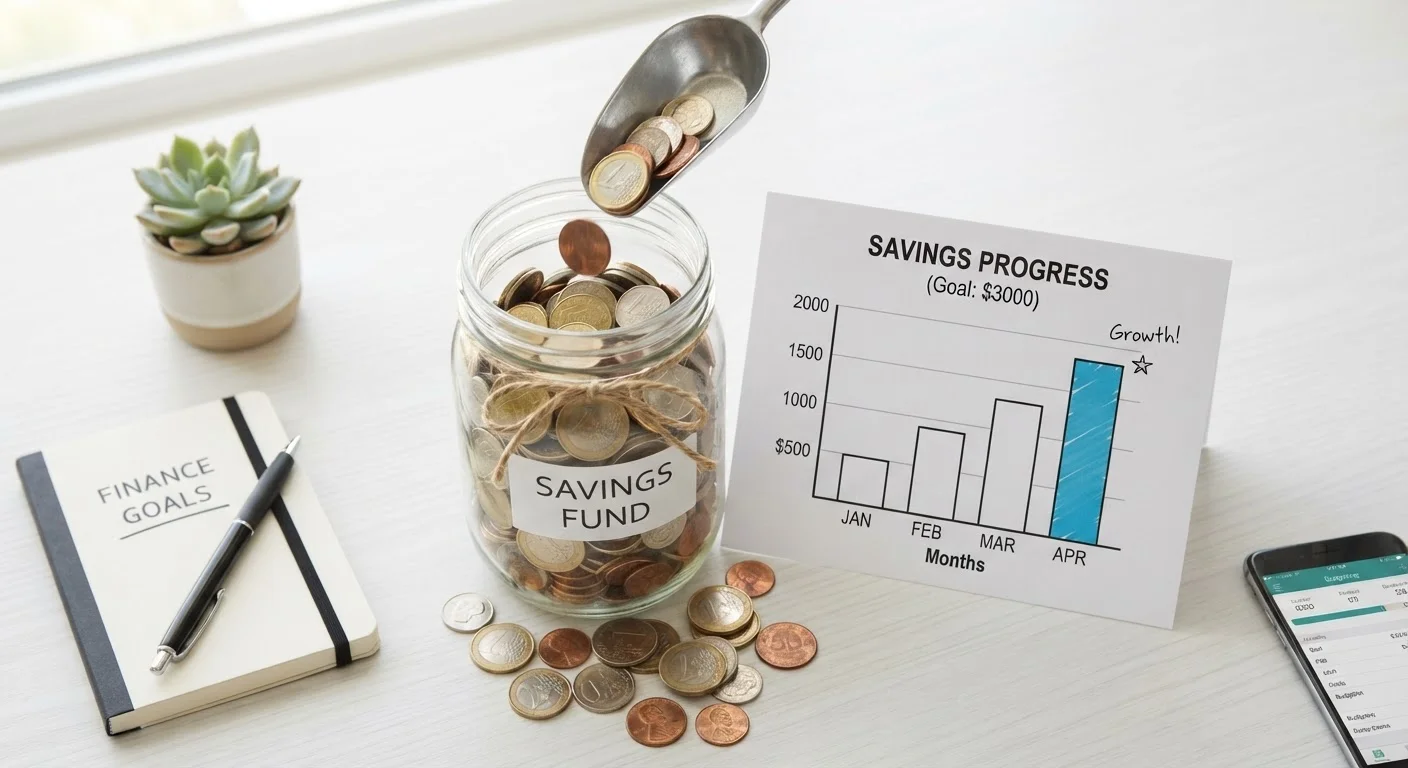
Photo credit: FaqBulletin.com | Information Made Easy
In this article
A clear breakdown of how high-yield savings accounts work, how interest is calculated, and what factors to consider when evaluating one.
Key Takeaways
- High-yield savings accounts pay substantially more interest than traditional savings accounts at most major banks.
- Your deposited funds are federally insured (FDIC or NCUA) up to $250,000 per depositor, per institution.
- APY — not just the interest rate — is the most accurate number to compare across accounts.
- Rates on HYSAs are variable and can change based on broader Federal Reserve policy decisions.
- HYSAs work best for emergency funds, short-term goals, and cash you want accessible but growing.
How High-Yield Savings Accounts Actually Work
When you deposit money into a high-yield savings account, the bank pays you interest in exchange for holding your funds. That interest accumulates based on your balance, the account's APY, and how frequently the interest compounds.
Here's a simplified example: a $10,000 balance in an account with a 4.50% APY earns roughly $450 over a full year — compared to perhaps $50 or less in a traditional savings account paying 0.50%. The math compounds over time, meaning you earn interest on your interest as well.
Most HYSAs are offered by online-only banks or the online divisions of established institutions. Because these banks don't maintain physical branches, they pass some of those operational savings on to depositors in the form of higher rates. That's the core reason the yield is higher — not because the risk is higher.
10x+
Typical rate premium over standard savings accounts
The national average savings account rate at major banks often sits well below 1% APY, while many high-yield accounts have offered rates above 4% during higher rate environments.
$250,000
Federal deposit insurance coverage per depositor
FDIC and NCUA insurance protects eligible deposits up to this limit per depositor, per insured institution, per account ownership category.
Daily
How often most HYSAs compound interest
Daily compounding, with monthly crediting, means your balance grows on itself continuously — amplifying returns compared to monthly or quarterly compounding.
Key Factors to Evaluate — Beyond the Rate
The advertised APY is the most visible number, but it shouldn't be the only one you examine. Here's what else matters:
- Minimum balance requirements: Some accounts require a minimum balance to earn the headline rate or to avoid fees. Others have no minimum at all.
- Fee structure: Monthly maintenance fees or excessive withdrawal penalties can quietly erode your interest earnings. Look for accounts with no monthly fees.
- Deposit and withdrawal process: How quickly can you transfer money in or out? Some accounts take two to three business days to move funds to an external checking account, which matters if you're using this for emergency savings.
- Federal insurance: Confirm the institution is FDIC-insured (banks) or NCUA-insured (credit unions). This is non-negotiable.
- Rate variability: HYSAs carry variable rates. The attractive rate you open the account at is not guaranteed to stay. Factor this into your expectations.
Compare APY, Not Just the Interest Rate
When evaluating accounts, always look at the Annual Percentage Yield (APY) rather than the stated interest rate. The APY reflects compounding and gives you the most accurate picture of what you'll actually earn over a year. Two accounts with the same nominal interest rate can have different APYs depending on how frequently they compound.
Where High-Yield Savings Fits in Your Financial Picture
A HYSA isn't an investment — it's a savings tool. That distinction matters. For money you're setting aside for an emergency fund, a near-term goal like a home down payment, or any cash reserve you want accessible within a few months, a HYSA is a sensible vehicle. For long-term wealth building, other account types carry more potential — though also more risk.
One practical strategy many households use is pairing a HYSA with automated transfers. Setting up a recurring deposit — even a small one — means the account grows without requiring ongoing decisions. See our guide to automating your savings for a closer look at how that works and why it tends to stick.
If you're also carrying debt, the calculus gets a bit more nuanced. Earning 4% on savings while paying 20% on a credit card balance is not a net win. Our article on saving while carrying debt walks through how to balance both goals without neglecting either.
For households building from a tighter budget, a HYSA can still play a role — even small, consistent deposits compound meaningfully over time. Savings strategies for tight budgets covers approaches tailored to that reality.
This article is for general informational purposes only and does not constitute personalized financial advice. Consult a qualified financial professional for guidance suited to your individual circumstances.
Frequently Asked Questions

Author
Personal Finance Editorial Team
Personal Finance Editorial Team is the collective byline for our editorial team and contributor network. Articles published under this byline or an editorial pen name are researched, written, and reviewed according to our editorial standards for clarity, consistency, and independence before publication.
View all articles →