
The 24-Hour Rule: Why Waiting Before You Buy Actually Works
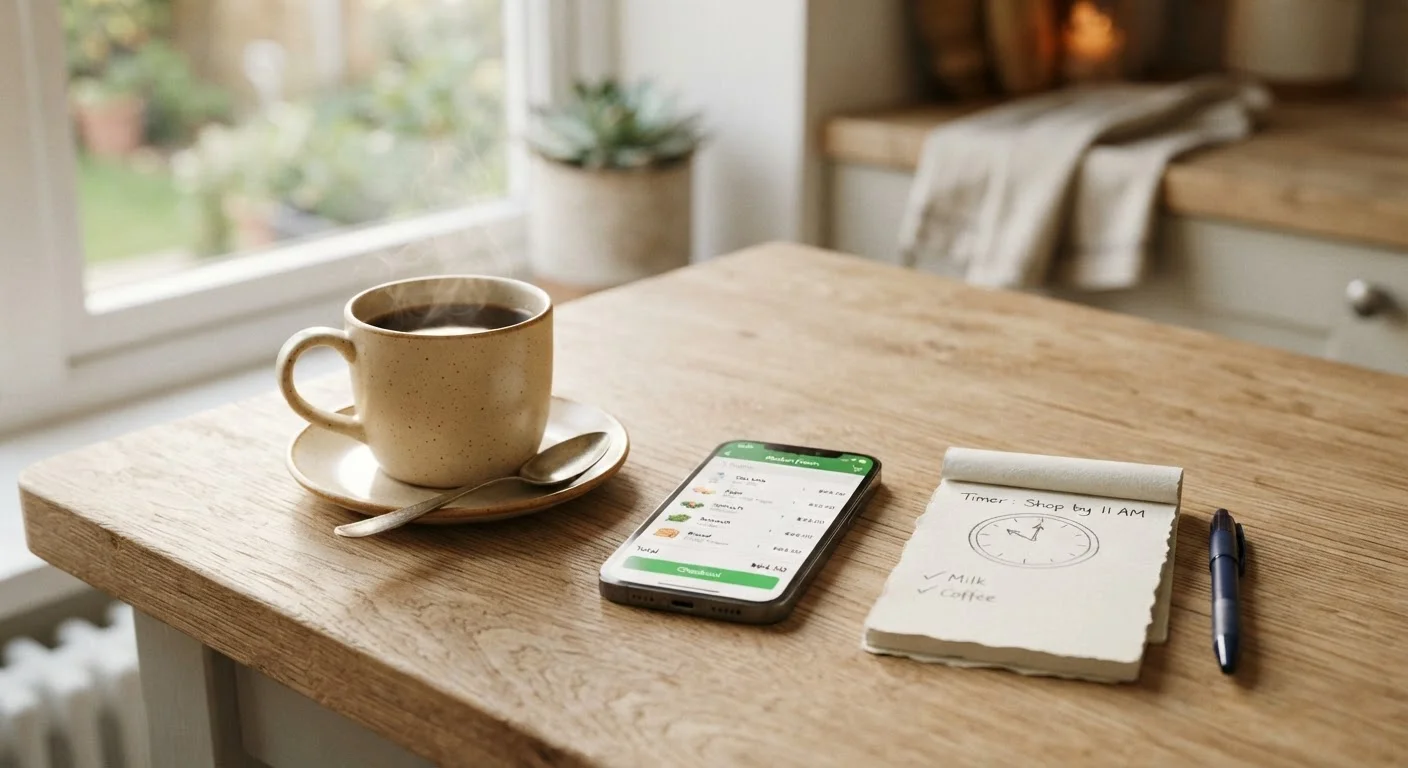
Photo credit: FaqBulletin.com | Information Made Easy
In this article
Discover why pausing before non-essential purchases is one of the simplest habits that keeps impulse spending in check over time.
Key Takeaways
- Impulse purchases are driven by emotion, and a 24-hour pause interrupts that emotional spike.
- The rule works best on non-essential, discretionary spending — not planned necessities.
- Most impulse urges fade significantly within hours if you don't act on them immediately.
- Pairing the rule with a wish list can channel shopping energy into a manageable system.
- Small purchase habits compound over time into meaningful budget differences.
Why Impulse Purchases Happen in the First Place
Impulse buying isn't a character flaw — it's a predictable response to how our brains process reward. When you spot something appealing, your brain releases dopamine in anticipation of getting it. That neurological spike makes the item feel more valuable in that moment than it likely is. Retailers — both physical and online — are well aware of this and design environments specifically to amplify it: limited-time banners, "only 3 left" alerts, one-click checkout.
The result is that spending decisions often happen faster than your budget-conscious self can weigh in. The 24-hour rule is a deliberate circuit breaker. It doesn't tell you not to buy things — it just insists you slow down enough to make an actual decision rather than a reactive one.
The Rule Isn't About Deprivation
The 24-hour rule isn't designed to stop you from enjoying your money — it's designed to make sure your spending reflects actual preferences rather than momentary impulses. If you wait 24 hours and genuinely still want something, and it fits your budget, buying it is a considered decision. That's exactly what the rule is meant to produce.
How the Rule Works in Practice
The mechanics are simple: when you feel the urge to buy something non-essential, don't buy it yet. Write it down — a notes app, a sticky note, a wish list — and set a reminder for 24 hours later. When the reminder fires, revisit the item with fresh eyes.
At that point, ask yourself three questions:
- Do I still want this, or did the feeling pass?
- Do I know exactly how and when I'll use it?
- Does this fit my current budget without trade-offs I'm not comfortable making?
If all three answers are yes, you're likely making a considered purchase. If the urge has faded or the answers feel fuzzy, that's useful data. You just avoided a spend you'd probably have regretted.
This approach pairs naturally with small daily money habits that accumulate into real savings — the 24-hour rule is one of the easiest to implement immediately.
Use Your Cart as a Waiting Room
For online shopping, treat your cart as a temporary holding area rather than a checkout step. Add items, then close the browser. Most retailers will save your cart for days. When you return 24 hours later, you're reviewing choices with a clearer head — and without the ambient pressure of the shopping environment nudging you forward.
What the Research Suggests
Behavioral economics offers a useful framework here. Present bias — the tendency to prefer smaller, immediate rewards over larger, delayed ones — is one of the most replicated findings in the field. It explains why people overspend on things they don't particularly need and undersave for goals they genuinely care about.
Introducing a mandatory delay directly counters present bias by shifting the decision from the emotional, impulsive brain to the more deliberate, planning-oriented one. You don't need to understand the neuroscience to benefit from it — you just need to build the pause into your routine.
54%
Americans who regret impulse purchases
A widely cited survey by CreditCards.com found that more than half of American adults reported regretting at least one impulse purchase in the prior three months.
$183
Average monthly impulse spend per U.S. consumer
Slickdeals' recurring impulse spending research has estimated average monthly unplanned spending at roughly this level, amounting to over $2,000 annually for many households.
This connects to broader budgeting frameworks too. If you're already using something like the 50/30/20 budget split, the 24-hour rule is a practical way to keep your "wants" spending from quietly expanding beyond its intended allocation.
Building the Habit for the Long Term
Like most financial habits, the 24-hour rule gets easier with repetition. The first few times you apply it, the urge to buy might feel strong enough to override the system. That's normal. But each time you successfully pause and then decide not to buy, you're reinforcing a decision-making pattern that becomes more automatic over time.
A practical approach: keep a running wish list and review it once a week. Items that still feel worthwhile after multiple review cycles are the ones worth buying. Items that quietly disappear from your interest are the ones you're glad you didn't purchase. Over a year, this habit can redirect a meaningful amount of discretionary spending toward goals that matter more. See how this fits alongside other strategies in our look at paying yourself first.
The 24-hour rule won't solve a budget that's structurally broken — but for households where the leakage is mostly unplanned, emotional spending, it's one of the most accessible tools available. No app required, no complicated tracking system. Just a deliberate pause.
This article is for general informational purposes only and does not constitute personalized financial advice. Consider speaking with a qualified financial professional about decisions specific to your situation.
Frequently Asked Questions

Author
Personal Finance Editorial Team
Personal Finance Editorial Team is the collective byline for our editorial team and contributor network. Articles published under this byline or an editorial pen name are researched, written, and reviewed according to our editorial standards for clarity, consistency, and independence before publication.
View all articles →