
Mindfulness vs. Meditation: Two Related Practices That Work Differently
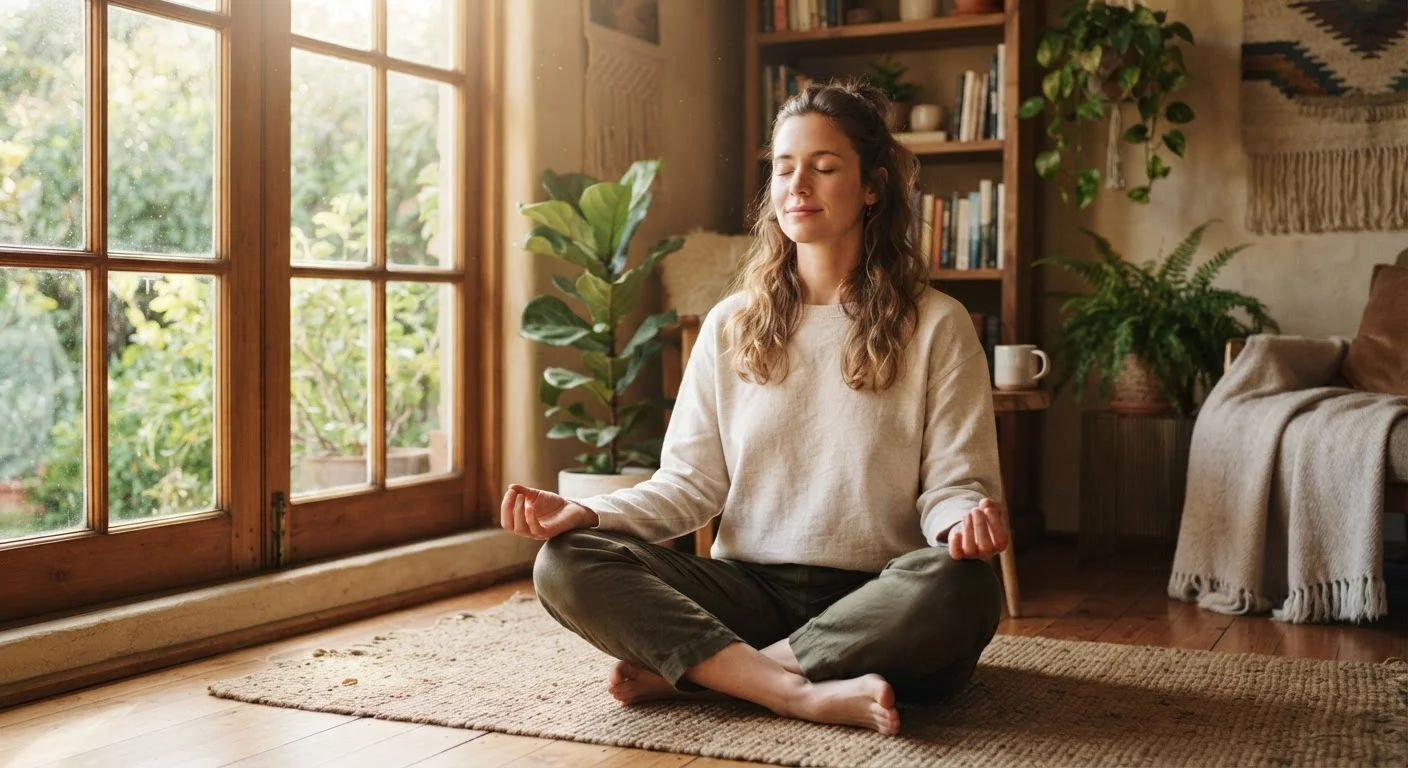
Photo credit: FaqBulletin.com | Information Made Easy
In this article
Mindfulness and meditation are often used interchangeably, but they're not identical. Here's how they differ and when each approach tends to be useful.
Key Takeaways
- Mindfulness is a quality of awareness you can bring to any moment; meditation is a formal practice you schedule.
- Meditation is one of the most effective tools for building mindfulness, but the two are not interchangeable.
- Both practices have credible research support for reducing stress and supporting mental wellbeing.
- Neither replaces professional mental health care when symptoms are persistent or severe.
- You can start with either approach - what matters most is consistency over time.
Why the Confusion Exists - and Why It Matters
The words mindfulness and meditation are used interchangeably in wellness conversations, on app store listings, and even in some clinical literature. That blurring is understandable - the two practices are genuinely intertwined - but treating them as synonyms can leave people frustrated when one approach doesn't seem to fit their life.
Understanding the distinction isn't just semantic. It shapes which practice you start with, how you evaluate whether it's working, and whether you're likely to stick with it. If you've ever tried a 20-minute guided session and felt it wasn't for you, it's worth knowing that a different form of the practice may be far more accessible.
It also connects to a broader pattern worth recognizing. Just as stress and anxiety are often conflated despite having meaningfully different causes and patterns, mindfulness and meditation are related but distinct - and the difference changes how you approach each.
Defining Each Practice Clearly
Mindfulness refers to a mental quality: the ability to pay deliberate, non-judgmental attention to the present moment. It's not an activity you sit down to do; it's a way of engaging with whatever you're already doing. Washing dishes, listening to a conversation, or noticing the sensation of your feet on the ground can all be done mindfully. The practice is the quality of attention itself.
Meditation, by contrast, is a structured practice - a deliberate exercise you set aside time to do. It typically involves directing attention toward a specific object (the breath, a sound, a visualization, or a sensation) for a defined period. Meditation is the training ground; mindfulness is one of the capacities that training builds.
Think of it this way: meditation is like going to the gym, and mindfulness is the strength you carry with you afterward. You can also exercise informally throughout the day, but dedicated sessions tend to produce more reliable gains.
| Criterion | Mindfulness | Meditation |
|---|---|---|
| What it is | A quality of present-moment awareness | A structured, time-set practice |
| When you do it | Anytime, woven into daily life | Scheduled sessions, separate from other tasks |
| Time required | No additional time needed | Typically 5-45 minutes per session |
| Primary mechanism | Sustaining non-judgmental attention in the moment | Repeatedly redirecting attention to a chosen anchor |
| Evidence base | Strong for trait mindfulness; harder to study directly | Robust clinical trials (e.g., MBSR, MBCT programs) |
| Best entry point | Attentive engagement with routine tasks | Guided audio or a structured beginner program |
| Relationship to the other | The capacity meditation helps build | A key method for developing mindfulness |
What the Research Actually Shows
Both practices have a meaningful and growing body of research behind them, though the evidence base is stronger for structured meditation programs than for informal mindfulness alone - partly because formal programs are easier to study systematically.
Mindfulness-Based Stress Reduction (MBSR), an eight-week program developed at the University of Massachusetts Medical School, is one of the most studied interventions in behavioral medicine. It uses formal meditation as its backbone and has demonstrated measurable effects on perceived stress, anxiety symptoms, and quality of life across multiple clinical populations. Mindfulness-Based Cognitive Therapy (MBCT), which builds on MBSR, is recognized by several clinical bodies as an evidence-supported approach for reducing relapse in recurrent depression.
Research on informal mindfulness - the moment-to-moment awareness practice - is harder to isolate but suggests that people who score higher on trait mindfulness (a stable tendency to pay attention non-judgmentally) report better emotional regulation and lower psychological distress. The most plausible interpretation is that formal meditation builds the trait, and the trait benefits daily life.
8 weeks
Duration of the standard MBSR program
Mindfulness-Based Stress Reduction, developed at UMass Medical School, runs over eight weeks and remains one of the most replicated behavioral interventions in clinical research.
~43%
Reduction in depression relapse risk with MBCT
A meta-analysis published in JAMA Internal Medicine found Mindfulness-Based Cognitive Therapy reduced relapse rates in patients with recurrent depression by roughly 43% compared to usual care.
5-10 min
Effective beginner meditation session length
Research suggests short, consistent sessions produce measurable attention and stress benefits - longer sessions are not required to begin seeing results.
It's worth noting that study quality varies widely in this field. Many trials have small samples or short durations. The evidence supports cautious optimism, not sweeping claims.
Practical Starting Points for Each
If you want to try mindfulness without committing to a formal practice, pick one recurring daily activity - morning coffee, a commute, or a meal - and spend it in full sensory attention. Notice what you see, hear, smell, and feel without reaching for your phone or mentally rehearsing your to-do list. That's the practice. The goal isn't to silence thoughts; it's to notice them without automatically following them.
If you want to try meditation, start with short, structured sessions - even five to ten minutes - using a consistent anchor like the breath. Sit comfortably, focus attention on the physical sensation of breathing, and gently return attention each time the mind wanders. That redirection, done repeatedly, is the actual training, not a sign of failure. Apps and audio guides can be useful scaffolding here; see our overview of digital mental health tools for an honest assessment of what they offer.
Both practices pair naturally with other evidence-informed habits. If you're building a broader mental wellbeing routine, daily habits that support emotional health over the long term provides a useful complement to either approach.
Neither Practice Replaces Professional Care
Mindfulness and meditation are evidence-informed tools for general wellbeing - they are not treatments for clinical mental health conditions. If you or a family member are experiencing symptoms of depression, anxiety disorder, trauma, or other mental health concerns, please reach out to a licensed mental health professional. These practices can complement professional care but should not delay or replace it.
This article is for general informational and educational purposes only and is not a substitute for professional mental health advice, diagnosis, or treatment. If you are experiencing persistent distress, anxiety, depression, or other mental health concerns, please consult a qualified healthcare professional.

Author
Health & Wellness Editorial Team
Health & Wellness Editorial Team is the collective byline for our editorial team and contributor network. Articles published under this byline or an editorial pen name are researched, written, and reviewed according to our editorial standards for clarity, consistency, and independence before publication.
View all articles →