
How Chronic Stress Affects the Body Over Time
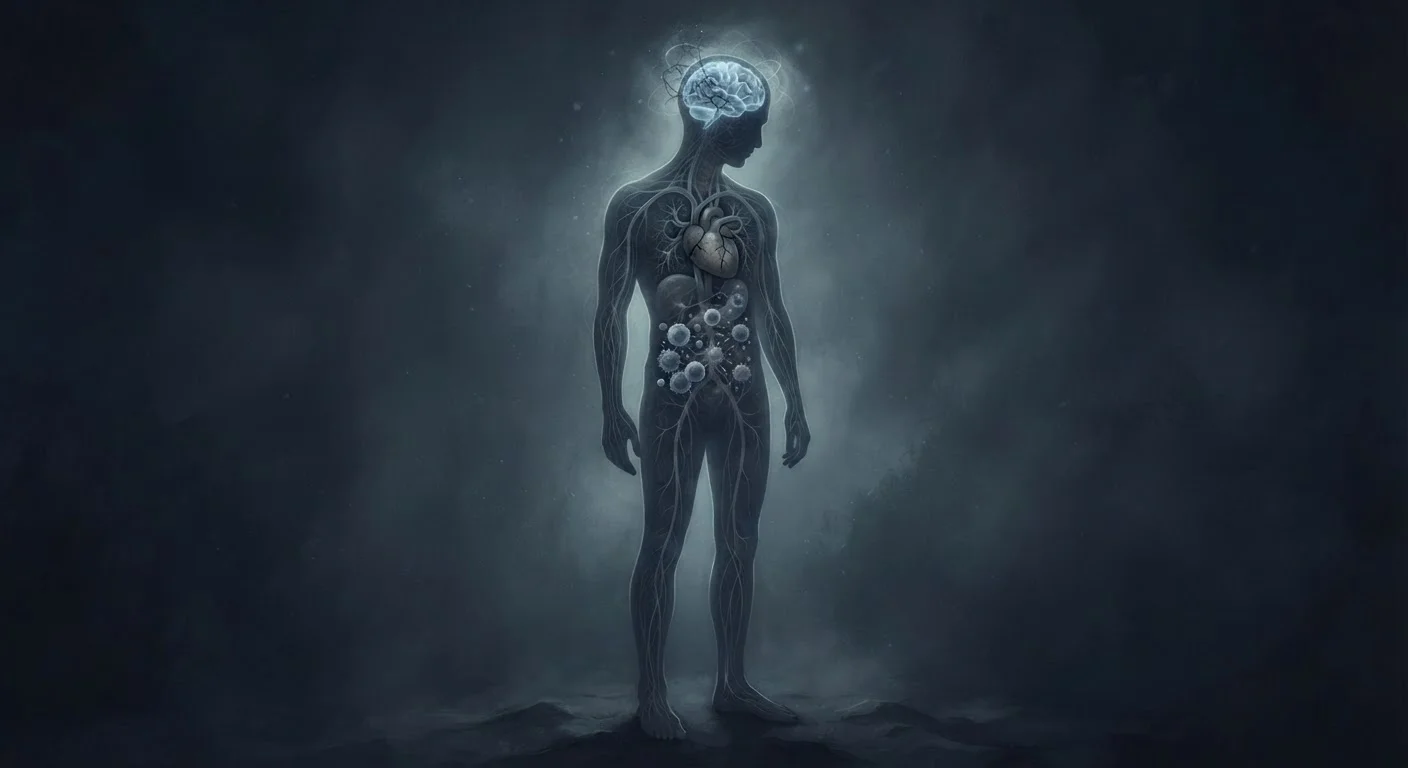
Photo credit: FaqBulletin.com | Information Made Easy
In this article
Persistent stress doesn't just feel bad — it has measurable effects on physical systems. A plain-language look at what sustained stress does physiologically.
Key Takeaways
- Chronic stress keeps the body's fight-or-flight system activated long after the original stressor is gone.
- Sustained cortisol elevation can disrupt sleep, digestion, immune function, and cardiovascular health.
- The brain is not immune - prolonged stress is associated with changes in memory and emotional regulation.
- Many physical symptoms people attribute to other causes may have chronic stress as a contributing factor.
- Addressing chronic stress is a legitimate and important part of overall physical health care.
The Body's Stress System Was Built for Short Sprints
When the brain perceives a threat - whether a genuine danger or a mounting work deadline - it triggers the hypothalamic-pituitary-adrenal (HPA) axis and releases hormones including cortisol and adrenaline. Heart rate increases, blood flow shifts toward muscles, digestion slows, and alertness sharpens. This is the fight-or-flight response, and in short bursts it is adaptive and helpful.
The problem arises when that response never fully switches off. Modern stressors - financial pressure, relationship strain, caregiving demands, job insecurity - don't resolve in minutes. They persist. And the body was not designed to sustain elevated stress hormones indefinitely.
It's also worth noting that not all stress feels dramatic. Low-grade, background stress that people have learned to tolerate can be just as physiologically consequential as acute crises. Many households are carrying chronic stress loads without recognizing them as such. Common coping patterns can quietly make this worse over time.
What Sustained Cortisol Does to Major Body Systems
Cortisol is essential in the short term, but chronically elevated levels interfere with the normal function of several body systems:
- Cardiovascular system: Persistent stress hormones raise blood pressure, increase heart rate, and promote inflammation in blood vessel walls - factors that, over time, are associated with elevated cardiovascular risk.
- Immune system: Cortisol has immunosuppressive effects. Chronic stress is linked to slower wound healing, more frequent infections, and dysregulated inflammatory responses that may worsen autoimmune conditions.
- Digestive system: The gut-brain connection is direct and bidirectional. Chronic stress can worsen irritable bowel symptoms, alter gut microbiome composition, and disrupt appetite regulation.
- Sleep: Elevated cortisol in the evening - when it should naturally decline - interferes with the onset and quality of sleep. Poor sleep then amplifies stress reactivity the following day, creating a reinforcing cycle.
- Metabolic function: Chronic stress is associated with increased blood glucose levels, altered insulin sensitivity, and a tendency to store fat in the abdominal region - all of which are relevant to long-term metabolic health.
77%
Americans reporting physical stress symptoms
According to the American Psychological Association's Stress in America survey, a large majority of adults report experiencing physical symptoms they associate with stress.
2-3×
Increased cardiovascular risk linked to chronic stress
Research published in peer-reviewed cardiology literature has found that chronic psychosocial stress is associated with two to three times greater risk of major cardiovascular events compared to low-stress populations.
40%
Of adults report stress-related sleep disruption
The American Psychological Association has consistently found that a substantial portion of US adults report stress as a primary cause of disrupted or insufficient sleep.
The Brain Under Prolonged Stress
The brain is not a passive observer of stress - it is both a participant and a target. Research in stress neuroscience has documented structural and functional changes associated with chronic stress exposure.
The hippocampus, a region central to memory consolidation and learning, appears particularly sensitive to prolonged cortisol exposure. Studies have found associations between sustained high cortisol and reduced hippocampal volume, along with impairments in memory retrieval and concentration - which many people under chronic stress recognize as brain fog or forgetfulness.
The amygdala, which processes emotional responses including fear, can become more reactive under chronic stress, contributing to heightened irritability, anxiety, and difficulty regulating emotions. Meanwhile, the prefrontal cortex - involved in planning, judgment, and impulse control - shows reduced activity, which can make thoughtful decision-making harder precisely when it's most needed.
Researchers note that many of these changes appear to be reversible with sustained stress reduction, adequate sleep, and appropriate support - which underscores why addressing chronic stress matters for cognitive health, not just mood.
“The brain is a stress-sensitive organ. When we understand that chronic stress literally reshapes neural architecture, we stop asking people to simply 'think positively' and start recognizing this as a biological challenge that warrants real support.”
— Dr. Bruce McEwen, Neuroendocrinologist and stress researcher, The Rockefeller University
Recognizing Chronic Stress in Everyday Life
Because chronic stress often develops gradually, many people normalize its symptoms rather than connecting them to a stress load. Physical signs worth paying attention to include persistent fatigue despite adequate sleep, frequent headaches, digestive irregularities, recurring minor illnesses, and unexplained muscle tension - especially in the neck, shoulders, and jaw.
Behavioral shifts can also be informative: withdrawing from activities that used to feel rewarding, increased irritability, difficulty concentrating, and changes in eating or sleep patterns are all common. It's important not to self-diagnose - these symptoms can have many contributing causes, and a healthcare provider is the right resource for evaluation.
If you've been wondering whether what you're experiencing qualifies as stress or something else, it can help to understand how stress differs from anxiety - two states that are often conflated but have meaningfully different patterns and implications.
This article is for general informational and educational purposes only and does not constitute medical advice. If you are experiencing persistent physical or psychological symptoms, please consult a qualified healthcare professional.
What Supporting the Body Through Stress Actually Looks Like
Understanding the physiological impact of chronic stress makes clear why stress management is not a luxury or a coping platitude - it's a form of health maintenance. Evidence-informed approaches that help regulate the body's stress response include consistent sleep schedules, regular physical movement, social connection, and structured relaxation practices.
Expressive writing has also accumulated a meaningful research record. Journaling for stress relief is one accessible approach backed by documented outcomes in mood and stress research. Similarly, daily habits that support emotional health tend to work through consistency rather than dramatic intervention.
For individuals whose stress load feels unmanageable, or whose symptoms are significantly affecting quality of life, professional support - whether through a primary care provider, therapist, or mental health specialist - is an appropriate and worthwhile step. Chronic stress is a physiological reality, and it deserves the same serious attention as any other health concern.
Frequently Asked Questions

Author
Health & Wellness Editorial Team
Health & Wellness Editorial Team is the collective byline for our editorial team and contributor network. Articles published under this byline or an editorial pen name are researched, written, and reviewed according to our editorial standards for clarity, consistency, and independence before publication.
View all articles →